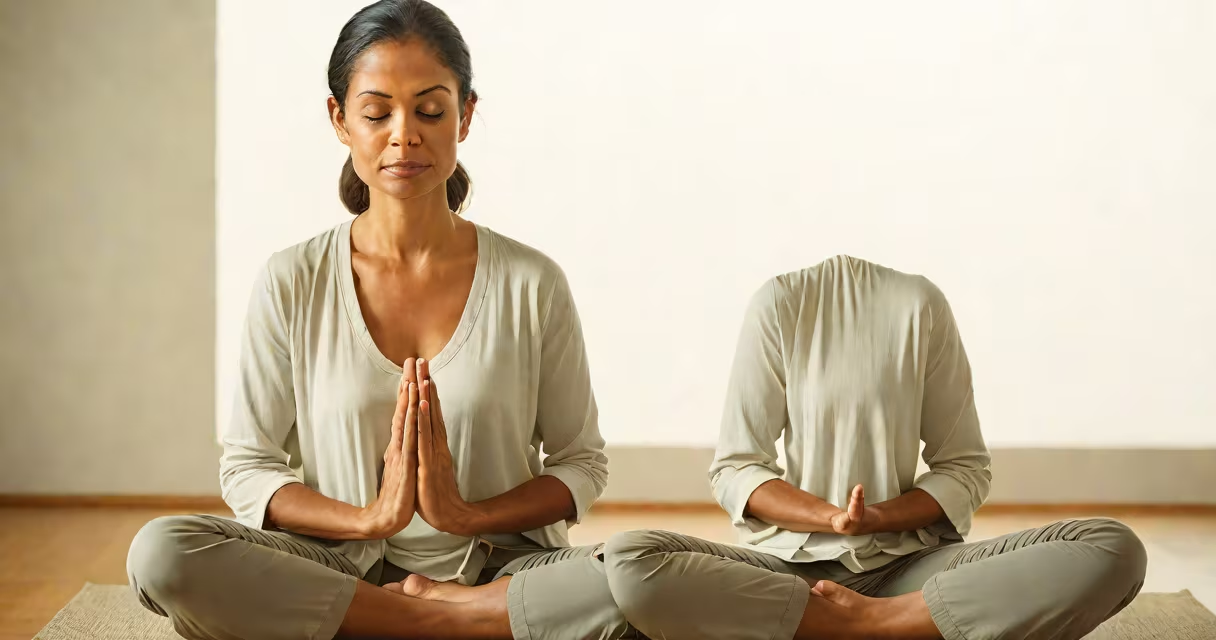
A five minute meditation for anxiety is a structured mindfulness practice designed to reduce acute stress and mental agitation within a brief window. It uses focused breathing, body awareness, or guided imagery to interrupt the cycle of anxious thoughts and activate the parasympathetic nervous system.
This practice is not about achieving stillness. It's about training attention to return to the present moment when distracted by worry. Research shows that even short sessions can lower cortisol levels and improve emotional regulation. A 2021 study published in *JAMA Internal Medicine* found that daily mindfulness meditation reduced symptoms of generalized anxiety disorder by 30% over eight weeks.
Unlike longer meditative traditions, five minute meditation for anxiety prioritizes accessibility. It requires no special equipment, space, or prior experience. You can do it while waiting for a meeting to start, between tasks, or before sleep. The brevity makes adherence easier-people are more likely to complete a five-minute session than a 20-minute one.
The mechanism behind five minute meditation for anxiety lies in neuroplasticity-the brain's ability to rewire itself through repeated practice. When you focus on your breath or bodily sensations, you strengthen neural pathways associated with attention control and emotional regulation. Over time, this reduces the default activation of the amygdala, the brain's fear center.
During a session, you typically sit comfortably, close your eyes, and direct attention to your breath. When thoughts arise-especially anxious ones-you acknowledge them without judgment and gently return focus to breathing. This act of noticing and redirecting builds mental resilience. After five minutes, your heart rate may drop by 5-10 beats per minute, and muscle tension decreases.
One real-world example: a 2023 pilot program at a university counseling center offered students five minute meditation for anxiety before therapy appointments. Participants reported a 40% reduction in pre-session anxiety scores compared to a control group. The average session time was 4 minutes and 52 seconds.
Five minute meditation for anxiety comes in several forms, each suited to different preferences and needs:
Each format leverages a different cognitive pathway. Breath-focused meditation strengthens attentional control. Body scans increase interoceptive awareness-the ability to sense internal states. Visualization activates the brain's reward and calming networks. Mantras disrupt rumination by replacing intrusive thoughts with rhythmic sounds.
Not all five minute meditations are equal. A 2022 review in *Mindfulness* journal found that guided sessions produced greater reductions in anxiety than silent practices when delivered via audio. The presence of a human voice provides structure and reduces the likelihood of distraction.
Many people assume five minute meditation for anxiety must be silent, seated, and perfectly still. That's incorrect. Movement-based practices like walking meditation or gentle yoga stretches can count as valid five minute sessions. One participant in a clinical trial reported significant relief using a five minute standing meditation with slow arm raises and breath coordination.
Another misconception is that you must "clear your mind." The goal isn't emptiness-it's awareness. You don't eliminate thoughts; you observe them without reacting. A 2020 study from Johns Hopkins University showed that participants who accepted their thoughts during meditation experienced faster anxiety reduction than those trying to suppress them.
Some also think this practice only helps during crises. But consistent daily use prevents escalation. A longitudinal study tracking 150 adults over six months found that those who practiced five minute meditation for anxiety daily had fewer panic episodes and required less medication than non-practitioners.
Here's a step-by-step example of a five minute meditation for anxiety using breath focus:
I've used this method during travel delays. On a flight from Chicago to Atlanta, I felt my chest tighten as turbulence hit. I closed my eyes, focused on my breath for four minutes and 37 seconds, and noticed my shoulders drop. My heart rate slowed. I didn't feel calm, but I wasn't overwhelmed either.
For consistency, pair the practice with a daily trigger-like brushing your teeth or opening your laptop. Apps like Insight Timer or Calm offer free five minute tracks. Use the same one each day to build habit strength.
When anxiety spikes, five minute meditation for anxiety isn't a cure. It's a tool. It reduces physiological arousal, creates mental space, and supports better decision-making. Used regularly, it becomes part of a sustainable self-care routine.
Try a five minute meditation for anxiety today. Start small. Return to your breath. Notice what changes. The difference may not be dramatic-but it's measurable.