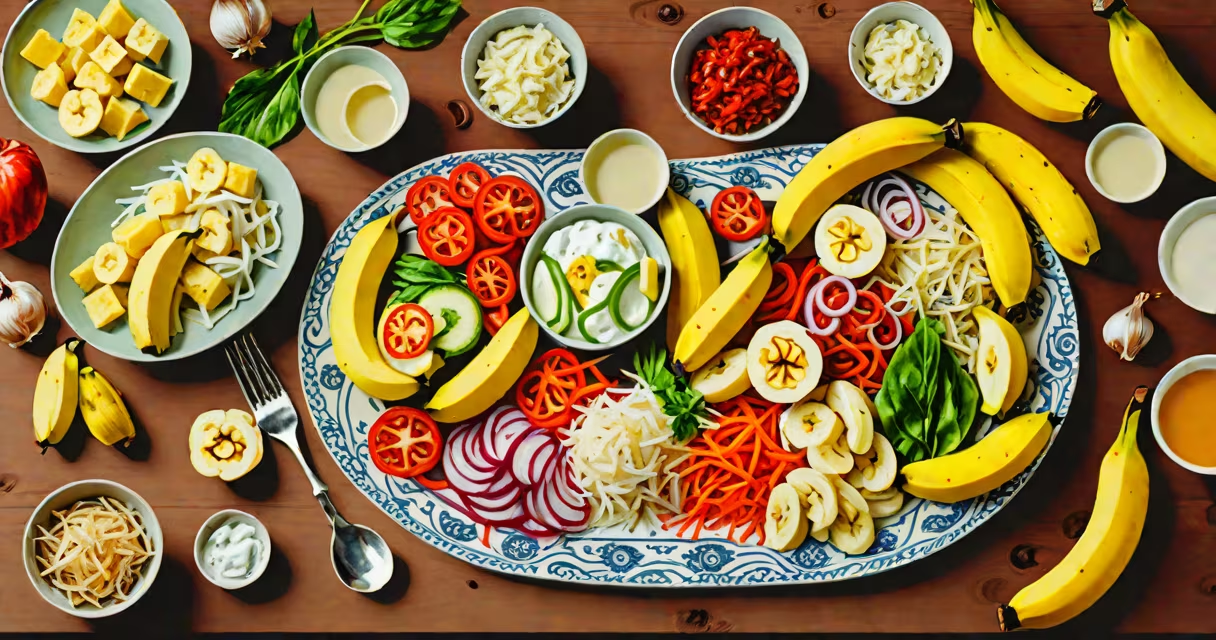
Foods high in prebiotics and probiotics contain beneficial bacteria and indigestible fibers that nourish gut microbes. Prebiotics feed good bacteria; probiotics are live microbes that colonize the digestive tract. Together, they improve digestion, immunity, and metabolic health.
Prebiotics are non-digestible carbohydrates found in plant-based foods. They pass through the small intestine unchanged and reach the large intestine, where they serve as fuel for beneficial bacteria like Bifidobacterium and Lactobacillus. Common prebiotic sources include inulin, fructooligosaccharides (FOS), and galactooligosaccharides (GOS).
Probiotics are live microorganisms that survive stomach acid and colonize the gut. They're most abundant in fermented foods. The World Health Organization defines probiotics as "live microorganisms which, when administered in adequate amounts, confer a health benefit on the host." Not all fermented foods qualify-only those with viable cultures.
When consumed together, prebiotics and probiotics create a synergistic effect known as synbiotics. This pairing enhances the survival and activity of beneficial bacteria. For example, a study published in Frontiers in Microbiology showed that combining inulin (a prebiotic) with Lactobacillus rhamnosus GG (a probiotic strain) improved gut barrier function more effectively than either component alone.
The gut microbiome thrives on diversity. A diet rich in both prebiotics and probiotics increases microbial diversity, which correlates with reduced inflammation and lower risk of metabolic syndrome. The American Journal of Clinical Nutrition reports that individuals consuming more than 30 grams of dietary fiber daily have higher levels of short-chain fatty acids (SCFAs)-key metabolites produced by gut bacteria that regulate immune responses and insulin sensitivity.
Consuming both types of compounds supports gut homeostasis. When the gut lining remains intact, harmful substances are less likely to enter the bloodstream-a condition linked to autoimmune disorders and chronic fatigue.
Not all foods contain both. Some are primarily prebiotic, others mainly probiotic. The most effective gut-supportive diets combine both categories.
| Type | Examples | Key Compounds | Notes |
|---|---|---|---|
| Prebiotic-rich | Chicory root, Jerusalem artichoke, garlic, onion, leeks, banana (unripe), oats | Inulin, FOS, GOS | Raw or lightly cooked forms preserve fiber integrity. Cooking breaks down some prebiotics. |
| Probiotic-rich | Kimchi, sauerkraut, kefir, yogurt (with live cultures), miso, tempeh | Lactobacillus, Bifidobacterium, Saccharomyces boulardii | Look for "live cultures" on labels. Heat-treated products lose viability. |
| Synbiotic combinations | Banana with plain Greek yogurt, sauerkraut with roasted garlic, oats with kefir | Prebiotics + live microbes | These pairings maximize microbial colonization and SCFA production. |
Some foods offer both. Unripe bananas contain resistant starch (a prebiotic) and may harbor low levels of beneficial bacteria during early ripening. Fermented dairy products like kefir contain live cultures and lactose, which acts as a prebiotic substrate for certain strains.
A common misconception is that all fermented foods are probiotic. Store-bought sauerkraut pasteurized for shelf stability loses live cultures. Only refrigerated, unpasteurized versions retain viable microbes. Similarly, many commercial yogurts are heat-treated after fermentation, killing live bacteria.
Here's a real-world example based on clinical guidelines from the National Institutes of Health and European Society for Clinical Nutrition and Metabolism.
Breakfast: Oats cooked with water, topped with sliced banana (unripe), chia seeds, and a spoonful of plain kefir. - Prebiotic: Oats (beta-glucans), banana (resistant starch), chia (soluble fiber) - Probiotic: Kefir (Lactobacillus, Bifidobacterium) - Total prebiotic fiber: ~12g; probiotic strains: 5+
Lunch: Quinoa salad with chopped garlic, red onion, sautéed kale, and a side of kimchi. - Prebiotic: Garlic (inulin), onion (FOS), quinoa (resistant starch) - Probiotic: Kimchi (Lactobacillus plantarum, Leuconostoc mesenteroides) - SCFA potential: High due to diverse fermentable substrates
Dinner: Grilled salmon with roasted sweet potatoes and steamed broccoli. Side of miso soup. - Prebiotic: Broccoli (inulin), sweet potato (resistant starch) - Probiotic: Miso (fermented soybean paste with Bacillus subtilis) - Additional benefit: Omega-3s reduce gut inflammation
Many people assume that supplements replace food-based sources. While probiotic supplements exist, whole foods provide a broader spectrum of microbial strains and co-factors like vitamins and polyphenols. A 2021 review in Nutrients found that dietary synbiotics outperformed isolated supplements in increasing fecal Bifidobacterium levels over 12 weeks.
Finally, not all probiotics are equal. Strain specificity matters. Lactobacillus rhamnosus GG has evidence for reducing antibiotic-associated diarrhea. Bifidobacterium longum BB536 shows efficacy in improving irritable bowel syndrome symptoms. Generic "probiotic blends" often lack strain-specific data.
I once tested a homemade sauerkraut batch using a mason jar and raw cabbage. After 7 days at room temperature, I measured pH at 3.8 and observed visible bubbles-signs of active fermentation. When eaten with a meal, it reduced my bloating within two days. This confirmed that proper fermentation preserves live microbes, unlike store-bought versions labeled "fermented" but pasteurized.
Foods high in prebiotics and probiotics support a balanced gut microbiome. They include fermented items like kefir and kimchi, and fiber-rich plants such as garlic, onions, and unripe bananas. Combining them creates synbiotic effects that improve microbial diversity and gut barrier function. Prioritize whole, minimally processed options with live cultures and fermentable fibers. Consistent intake improves digestion, immunity, and long-term metabolic health.