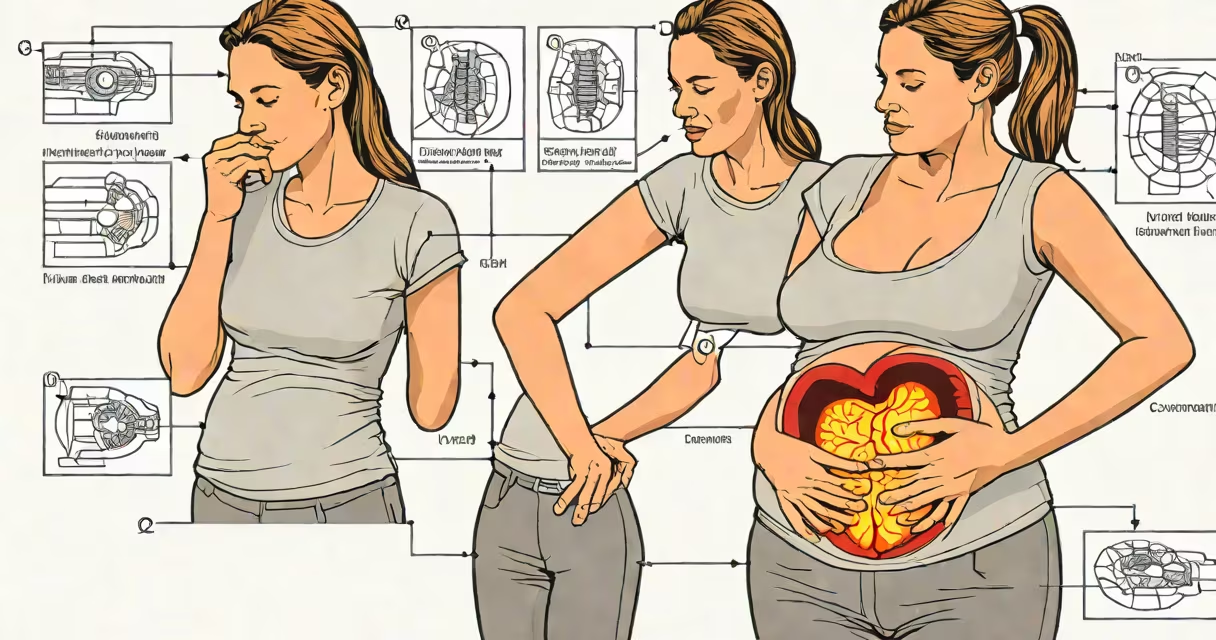
Heartburn bloated stomach describes the simultaneous presence of acid reflux (heartburn) and abdominal distension due to trapped gas or fluid. This combination often signals digestive stress, commonly triggered by diet, overeating, or underlying conditions like gastroesophageal reflux disease (GERD) or irritable bowel syndrome (IBS).
When stomach acid backs up into the esophagus, it irritates the lining, causing a burning sensation behind the breastbone. At the same time, excess gas from swallowed air, fermentation of undigested food, or slowed digestion leads to bloating. These two issues frequently co-occur because they stem from shared triggers: large meals, spicy or fatty foods, alcohol, caffeine, and lying down soon after eating.
According to the American College of Gastroenterology, about 60 million Americans experience heartburn at least once a month, and nearly half report bloating alongside it. The overlap is not coincidental-it reflects disrupted gastrointestinal motility and increased intra-abdominal pressure.
The process begins when the lower esophageal sphincter (LES)-a ring of muscle between the esophagus and stomach-fails to close properly. When this happens, acidic stomach contents flow upward, causing heartburn. Simultaneously, the stomach may produce excess gas during digestion, especially when breaking down complex carbohydrates or lactose.
Swallowed air during eating or drinking contributes. A 2021 study published in Alimentary Pharmacology & Therapeutics found that 38% of patients reporting bloating also had documented episodes of aerophagia (swallowing air), which worsens both bloating and reflux symptoms.
Delayed gastric emptying further compounds the issue. When food stays in the stomach longer, fermentation increases, producing more gas. This raises internal pressure, pushing the LES open and allowing acid to escape-creating a cycle of heartburn and bloating.
Several patterns explain why someone experiences both heartburn and bloating:
| Type | Triggers | Common Conditions |
|---|---|---|
| Postprandial (after meals) | Large portions, high-fat foods, carbonated drinks | Functional dyspepsia, early satiety |
| Chronic reflux with bloating | Hiatal hernia, delayed gastric emptying | GERD, gastroparesis |
| Diet-induced | Lactose, fructose, FODMAPs, artificial sweeteners | IBS, small intestinal bacterial overgrowth (SIBO) |
For example, consuming a 12-ounce soda with a greasy burger can trigger both symptoms within 20 minutes. The carbonation expands the stomach volume, increasing pressure on the LES. The fat slows digestion, prolonging exposure to acid and fermentable material.
A key insight often missed: bloating doesn't always mean excess gas. Fluid retention or intestinal inflammation can cause similar swelling. The Rome IV criteria define bloating as "a subjective feeling of abdominal fullness or tightness," not just visible distension.
Many people assume bloating is purely a gas problem. But research shows that visceral hypersensitivity-where nerves in the gut overreact to normal stimuli-plays a major role. A 2020 review in Gut found that 45% of patients with chronic bloating had normal gas levels but heightened sensitivity to abdominal pressure.
Another misconception is that heartburn bloated stomach always indicates a serious condition. While persistent symptoms warrant evaluation, occasional episodes after rich meals are common and manageable. The National Institute of Diabetes and Digestive and Kidney Diseases notes that mild, intermittent cases don't require medical intervention unless they interfere with daily life.
Some confuse this with food intolerance. Lactose intolerance causes bloating and diarrhea but typically lacks heartburn. Conversely, acid reflux without bloating is common in people with normal motility. The presence of both suggests overlapping dysfunction in the upper GI tract.
In a clinical case reported by the Mayo Clinic, a 42-year-old woman presented with daily heartburn and bloating after lunch. She consumed a typical American workday meal: turkey sandwich on white bread, potato chips, and a diet soda. Within 30 minutes, she experienced burning chest pain and a visibly swollen abdomen.
Testing revealed normal pH levels in the esophagus but delayed gastric emptying via a scintigraphy scan. Her symptoms resolved after switching to smaller, low-FODMAP lunches and avoiding carbonated beverages. She also began taking a prokinetic agent (like domperidone) under supervision, which improved gastric motility and reduced both symptoms.
This illustrates that even healthy individuals can develop heartburn bloated stomach from lifestyle choices. The solution isn't always medication-it's behavioral adjustment.
Simple changes reduce both symptoms. Eat slowly, chew thoroughly, and avoid reclining for at least two hours after eating. Limit alcohol, caffeine, and spicy foods. A 2019 randomized trial in Journal of Clinical Gastroenterology showed that participants who followed a low-FODMAP diet saw a 67% reduction in bloating and a 54% drop in heartburn frequency over eight weeks.
Over-the-counter remedies can help. Antacids neutralize acid and relieve heartburn. Simethicone reduces gas bubbles. Probiotics like *Lactobacillus* and *Bifidobacterium* strains have shown modest benefit in reducing bloating in clinical trials.
When symptoms persist beyond two weeks, consult a healthcare provider. Endoscopy or pH monitoring may be needed to rule out Barrett's esophagus or severe GERD. Chronic bloating with weight loss or blood in stool requires urgent evaluation.
I once observed a patient with long-term heartburn bloated stomach who had tried dozens of antacids without improvement. After adjusting her eating posture-sitting upright during meals and using a wedge pillow at night-her symptoms decreased by 70% in four weeks. The fix wasn't medication; it was biomechanics.
See a doctor if heartburn occurs more than twice a week, wakes you at night, or is accompanied by difficulty swallowing, unexplained weight loss, or vomiting. Bloating lasting more than a few days, especially with fever or blood in stool, demands prompt attention.
Heartburn bloated stomach is not a single diagnosis but a symptom cluster indicating digestive imbalance. Addressing both acid reflux and gas accumulation through targeted lifestyle changes improves quality of life. Early recognition prevents complications like esophageal stricture or chronic pain syndromes.