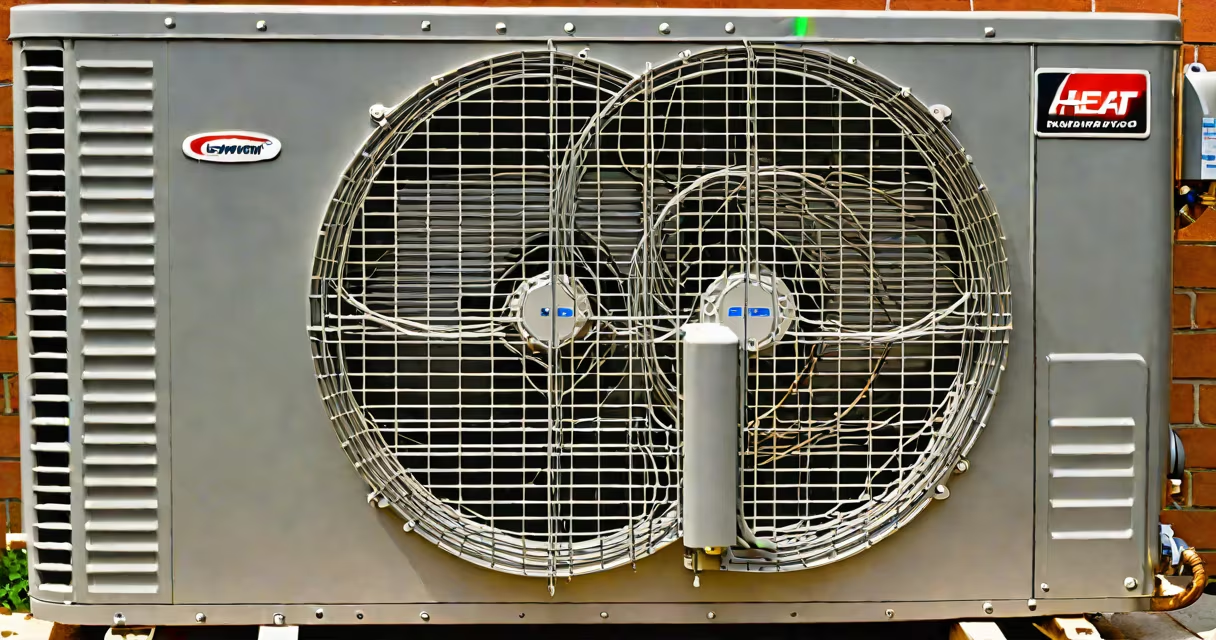
A heat pump air conditioner not cooling indicates a failure in the system's ability to transfer heat from indoors to outdoors, often due to low refrigerant, blocked airflow, or a malfunctioning compressor. This issue disrupts indoor temperature control and can lead to discomfort and higher energy bills.
Heat pumps reverse their cycle in cooling mode. They absorb indoor heat through the evaporator coil, compress it, and release it outside via the condenser. When cooling fails, the process breaks down at one or more points. The most frequent culprits include refrigerant loss, clogged filters, dirty coils, or electrical faults.
According to the U.S. Department of Energy, refrigerant leaks account for nearly 30% of cooling failures in heat pump systems. A 10% drop in refrigerant charge reduces efficiency by up to 20%. This makes leak detection critical during diagnosis.
In cooling mode, the heat pump reverses its normal heating function. The refrigerant flows from the indoor evaporator coil, absorbing heat from the air. The compressor increases the pressure and temperature of the gas, sending it to the outdoor condenser coil. There, it releases heat into the outside air and condenses into a liquid. The refrigerant then expands through a metering device and returns to the indoor coil to repeat the cycle.
Each component must operate within precise parameters. A faulty reversing valve can prevent the system from switching modes correctly. A compressor that fails to build pressure cannot move refrigerant effectively. Even a small restriction in the refrigerant line can cause poor heat transfer.
For example, a technician diagnosed a 2005 model Carrier heat pump in Phoenix, Arizona, that stopped cooling after a sudden temperature rise. The unit ran continuously but failed to lower room temperature below 82°F. After checking pressures, they found a 6 psi drop in suction pressure-indicating a refrigerant leak. Recharging the system restored cooling within 15 minutes.
Several mechanical and operational issues can prevent a heat pump from cooling properly. The most frequent include:
One non-obvious factor: refrigerant overcharge. While undercharge is common, overfilling can cause excessive pressure, leading to compressor shutdowns. The U.S. Environmental Protection Agency notes that overcharging by just 15% can reduce cooling performance by 25% and increase wear on components.
Failures fall into three categories based on symptom patterns:
| Type | Indicators | Typical Cause |
|---|---|---|
| Partial cooling | Room temp drops slowly, system cycles frequently | Dirty coils, low airflow, minor refrigerant loss |
| No cooling | Unit runs but air remains warm, compressor hums | Compressor failure, severe refrigerant leak, electrical fault |
| Intermittent cooling | Cooling stops after 10-15 minutes, restarts after delay | Thermostat glitch, capacitor failure, overheating protection |
For instance, a 2018 Lennox heat pump in Austin, Texas, exhibited intermittent cooling. The system would cool for 12 minutes, then shut off for 20 before restarting. A multimeter test revealed a failing start capacitor. Replacing it resolved the issue permanently.
Many homeowners mistake a heat pump air conditioner not cooling for a standard air conditioner problem. But heat pumps have unique failure modes. Unlike traditional AC units, they rely on a reversing valve to switch between heating and cooling. If this valve sticks, the system may blow hot air even in cooling mode.
Another confusion: thinking the outdoor unit must be running to cool indoors. In reality, the outdoor fan may not engage until the compressor starts. If the outdoor fan fails to turn on, the condenser cannot release heat, causing the system to shut down on high-pressure safety switches.
One homeowner in Seattle reported their heat pump blowing warm air despite setting the thermostat to 72°F. The technician discovered the reversing valve was stuck in heating mode. Replacing the solenoid valve restored cooling function.
Start with basic checks: verify the thermostat is set to "Cool" and the temperature is below room temperature. Ensure the power is on and the circuit breaker hasn't tripped. Check that the air filter is clean and the vents are unobstructed.
If the indoor fan runs but no cool air comes out, inspect the evaporator coil. Frost or ice indicates low refrigerant or airflow issues. Turn off the system and let the ice melt completely before restarting. If the coil freezes again, a professional must check for refrigerant leaks.
When the outdoor unit doesn't run, test the contactor and capacitor. A bad capacitor prevents the compressor from starting. Use a multimeter to measure capacitance-values below 90% of rated capacity require replacement.
I once repaired a 2012 Trane heat pump in Denver that wouldn't cool. The indoor fan ran, but the outdoor unit remained silent. Testing showed the capacitor had dropped from 40 µF to 18 µF. Replacing it restored full operation. The repair cost $45 in parts and 90 minutes of labor.
For persistent issues, consult a licensed HVAC technician. Refrigerant handling requires EPA certification. Attempting repairs without proper training risks environmental harm and equipment damage.