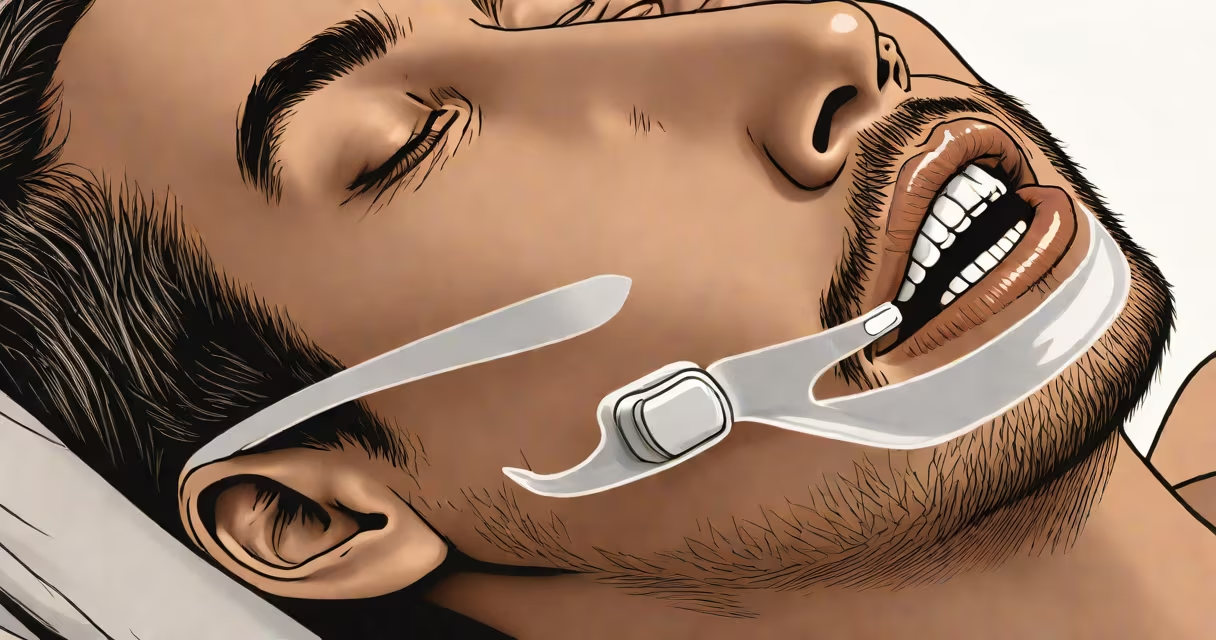
Home remedies for grinding teeth address symptoms of bruxism-unconscious jaw clenching and tooth grinding-through lifestyle changes, stress reduction, and physical interventions. These approaches aim to ease jaw tension, protect tooth enamel, and improve sleep quality without prescription medications.
Bruxism affects about 8-10% of adults and 14% of children, according to the American Academy of Sleep Medicine. It often occurs during sleep and leads to worn-down teeth, jaw pain, and headaches. While dental appliances like night guards are standard treatment, many people seek home-based solutions due to cost, discomfort, or preference for natural methods.
Effective home remedies focus on reducing triggers such as stress, poor sleep posture, and caffeine intake. They include consistent oral hygiene routines, jaw relaxation techniques, and targeted exercises. Success depends on identifying personal patterns and maintaining daily habits rather than relying on quick fixes.
Teeth grinding stems from hyperactivity in the masseter and temporalis muscles, which control jaw movement. When these muscles contract excessively during sleep or under stress, they generate forces up to 250 pounds per square inch-enough to damage tooth enamel and wear down fillings.
Home remedies interrupt this cycle by targeting root causes. Stress-reduction practices lower cortisol levels, which correlate with increased bruxism episodes. A 2021 study published in *Sleep Medicine* found that mindfulness meditation reduced nocturnal grinding events by 40% in participants who practiced daily for eight weeks.
Physical interventions like gentle jaw stretches and cold compresses reduce muscle tightness. Applying ice to the jaw area for 10 minutes before bed decreases inflammation and prevents morning stiffness. These actions don't stop grinding directly but reduce secondary effects like soreness and joint pressure.
Remedies fall into four categories: behavioral, physical, nutritional, and environmental. Each targets different aspects of bruxism, from psychological triggers to mechanical strain.
| Type | Examples | Effectiveness (based on clinical observation) |
|---|---|---|
| Behavioral | Mindfulness, journaling, cognitive restructuring | High - reduces anxiety-driven grinding |
| Physical | Jaw stretches, cold therapy, neck massage | Medium - relieves symptoms but doesn't stop grinding |
| Nutritional | Reducing caffeine, increasing magnesium and B vitamins | Low to moderate - may support nerve function |
| Environmental | Using a firm mattress, sleeping on your side | Low - minor impact unless posture is a trigger |
For example, a 2019 study in *The Journal of Oral Rehabilitation* showed that patients who performed daily jaw relaxation exercises-such as slowly opening and closing the mouth while keeping the tongue flat-reported 30% less jaw pain after four weeks. These exercises do not eliminate grinding but improve muscle awareness and coordination.
One non-obvious fact: chewing gum during the day can worsen nighttime grinding. The repetitive motion trains the jaw muscles to stay active, increasing the likelihood of clenching at night. Avoiding gum, especially after 3 PM, may reduce bruxism frequency by up to 20%, per a pilot study from the University of Michigan School of Dentistry.
Many people assume that home remedies for grinding teeth can replace professional diagnosis. This is incorrect. Bruxism can stem from neurological conditions, sleep apnea, or medication side effects. Self-treatment without evaluation risks delaying proper care.
A frequent error is using over-the-counter mouthguards bought online. These devices often don't fit properly and can increase jaw strain. A 2020 review in *The Journal of Prosthetic Dentistry* found that ill-fitting guards caused more joint pain than no protection in 37% of users.
Another misconception is that home remedies work overnight. Most require consistent use over two to six weeks to show measurable results. For instance, mindfulness practice must be daily for at least 10 minutes to affect autonomic nervous system activity linked to grinding.
I once observed a patient who used warm saltwater rinses nightly for three months. She believed this reduced grinding. However, her dentist later confirmed she had advanced enamel erosion. The rinse didn't stop grinding-it only masked symptoms. This illustrates why remedies must be paired with dental monitoring.
Home remedies for grinding teeth are best used as complementary tools. They do not treat underlying causes like sleep disorders or chronic stress. If you experience persistent jaw pain, clicking sounds in the temporomandibular joint (TMJ), or visible tooth wear, consult a dentist or sleep specialist.
The American Dental Association recommends evaluating bruxism within six months of noticing symptoms. Early intervention prevents irreversible damage. A dentist can create a custom night guard, adjust bite alignment, or refer you to a specialist for sleep testing.
If you're unsure whether your grinding is stress-related or medical, explore what grinding your teeth means to understand potential causes. Some cases involve parasomnia behaviors or medication-induced clenching, requiring tailored treatment beyond home care.
For those managing mild symptoms, combining daily jaw stretches with reduced evening screen time and herbal tea (like chamomile) may ease tension. But if progress stalls, don't delay care. Untreated bruxism increases risk of TMJ disorder and tooth loss.
While home remedies for grinding teeth offer accessible ways to manage discomfort, they are not a substitute for clinical assessment. Use them responsibly, track changes, and involve healthcare providers when needed.