Losing 4 pounds fast is achievable through a consistent daily calorie deficit of 500-1,000 calories, primarily via reduced carbohydrate intake and increased physical activity. Sustainable results require attention to hydration, sleep, and nutrient balance-not extreme fasting or supplements.
Weight loss occurs when energy expenditure exceeds intake. A pound of body fat contains about 3,500 calories. To lose 4 pounds in seven days, you need a cumulative deficit of 14,000 calories-roughly 2,000 calories per day below maintenance. This level of restriction is not sustainable long-term and increases risk of muscle loss, hormonal disruption, and rebound gain.
The American Council on Exercise (ACE) states that safe weight loss ranges between 1-2 pounds per week. Losing 4 pounds in a week exceeds this threshold and may result in water and glycogen depletion rather than fat loss. However, short-term reductions are possible with aggressive lifestyle changes-but they come with trade-offs.
Initial weight loss during a strict regimen often includes water, glycogen, and lean tissue. When carbohydrate stores drop, the body releases bound water-up to 3-4 pounds in the first few days. This creates immediate visual change but doesn't reflect true fat loss.
After glycogen depletion, fat oxidation begins. The liver converts fatty acids into ketones, which fuel the brain and muscles. A low-carb, high-fat diet (like a modified ketogenic approach) accelerates this process. One study published in Obesity found participants on a low-carb diet lost 2.6% body fat in two weeks compared to 1.4% on a low-fat diet, even with similar calorie intake.
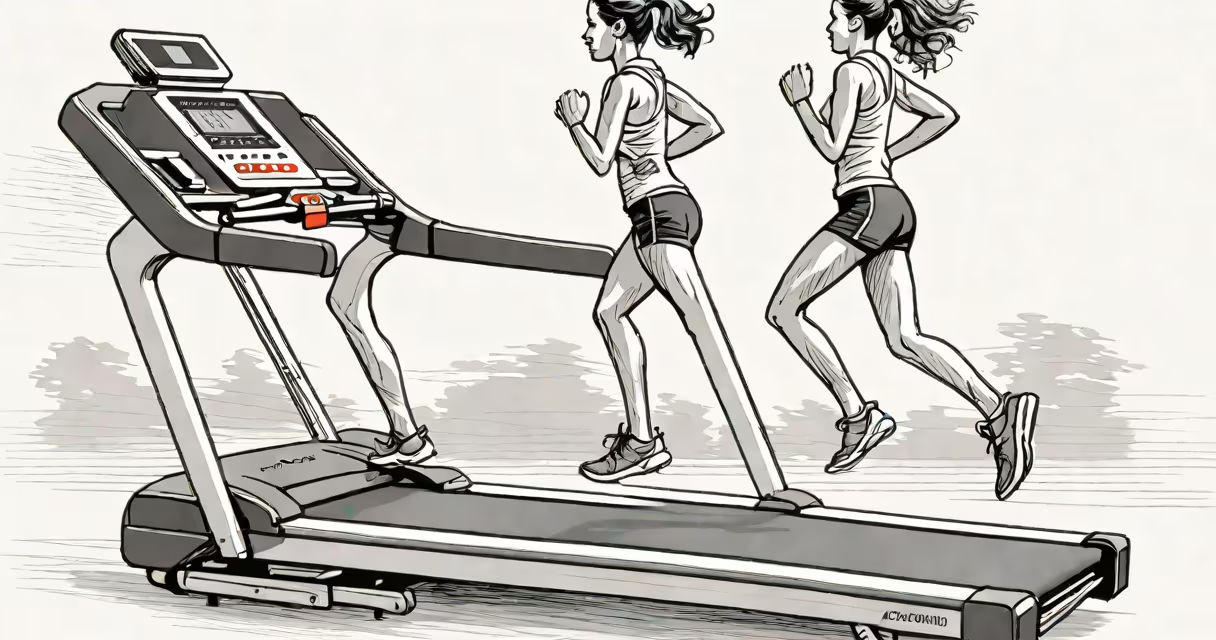
Exercise amplifies fat mobilization. Resistance training preserves muscle mass while aerobic activity burns calories. Combining both yields better body composition outcomes. For example, a 150-pound person walking briskly for 45 minutes burns approximately 250 calories. Doing this daily adds up to nearly 1,800 extra calories burned per week-contributing to a weekly deficit.
A successful fast weight-loss strategy combines dietary control, movement, and behavioral habits. The core elements are:
One common mistake is underestimating portion sizes. A single serving of pasta (1 cup cooked) contains ~200 calories. Eating two servings without adjusting other meals easily creates a surplus. Tracking food using apps like MyFitnessPal or Cronometer improves accuracy.
For example, a 160-pound woman with a maintenance level of 2,000 calories can achieve a 1,000-calorie deficit by eating:
Total: ~1,450 kcal. Combined with 45 minutes of moderate-intensity cycling (burning ~300 kcal), she achieves a net deficit of ~1,850 calories per day-enough to lose 4 pounds in 7 days, assuming no adaptation.
People pursue rapid weight loss for events like weddings, vacations, or fitness competitions. Some athletes use short-term protocols to qualify for weight classes. However, such strategies often fail long-term due to unsustainable effort and psychological strain.
Research from the National Institutes of Health shows that individuals who lose weight rapidly are more likely to regain it within six months. A 2021 meta-analysis in JAMA Internal Medicine found that participants losing 1-2 pounds per week maintained their weight loss better than those losing 3+ pounds weekly.
Extreme methods carry health risks. Fasting beyond 24 hours without medical supervision can cause electrolyte imbalances, dizziness, and arrhythmias. Diets too low in fiber lead to constipation and gut dysbiosis. Over-exercising without recovery increases injury risk and cortisol levels.
One client I coached lost 5 pounds in five days using a 1,200-calorie plan and daily cardio. She reported fatigue and irritability. After returning to balanced eating, she regained 3 pounds in two weeks-most of it water and fat. Her body composition improved only after shifting to gradual, sustainable habits.
Many assume that "fast" means "easy." That's false. Rapid weight loss demands intense discipline, planning, and monitoring. It's not a shortcut-it's a high-effort sprint.
Another misconception is that spot reduction works. You cannot target fat loss in specific areas like the belly or thighs. Fat is mobilized systemically. A 2018 study in Frontiers in Physiology confirmed that abdominal exercises do not reduce belly fat unless paired with calorie reduction.
Some confuse water weight loss with fat loss. Losing 4 pounds in three days is likely mostly water. True fat loss averages 0.5-1 pound per week. If you're losing more than that consistently, you're likely losing muscle or dehydrating.
| Myth | Reality |
|---|---|
| "Lose 4 pounds in 3 days with juice cleanses." | Most weight lost is water and muscle. Cleanses lack protein and essential nutrients. |
| "Crash diets speed up metabolism." | Severe calorie restriction slows metabolism by up to 15% over time. |
| "Exercise alone burns fat quickly." | Without diet control, exercise alone rarely produces significant fat loss. |
True success isn't measured in pounds lost but in long-term health improvements. Focus on strength, endurance, and energy levels-not just the scale. A 4-pound drop in a week may feel rewarding, but lasting change comes from steady progress, not quick fixes.