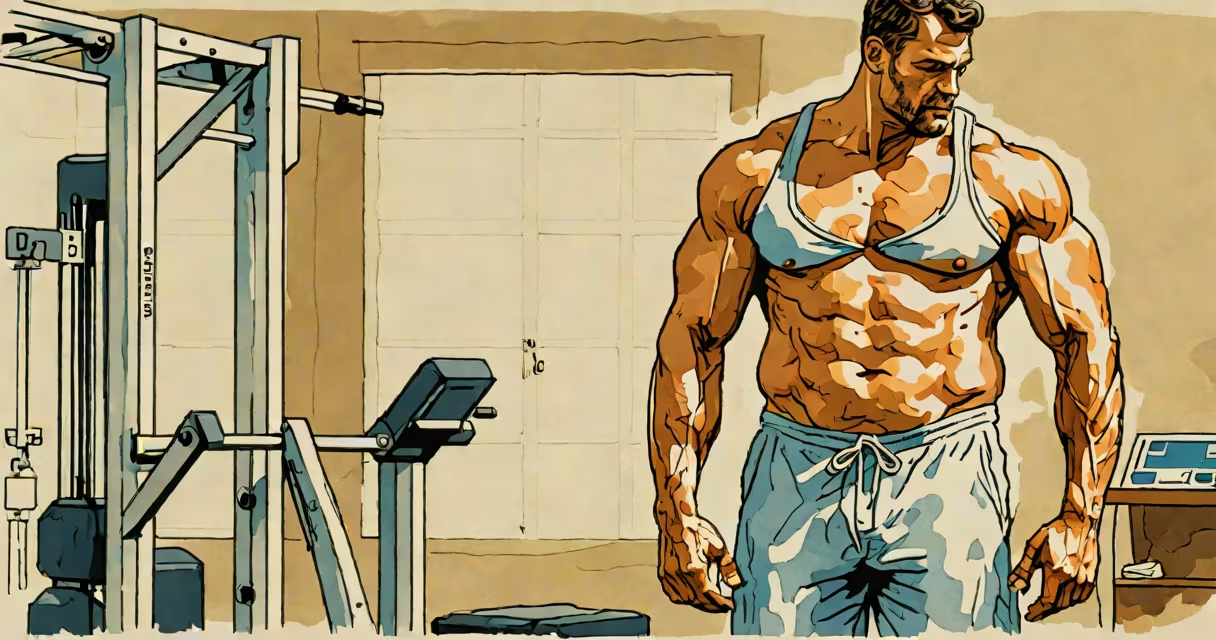
The ideal weight for a six foot male typically falls between 168 and 203 pounds, depending on body composition, frame size, and health metrics such as BMI and waist-to-hip ratio. This range supports metabolic health, mobility, and long-term wellness.
Body weight alone doesn't determine health. A 6-foot-tall man with a muscular build may weigh 200 pounds and be metabolically fit, while another man of the same height with less muscle and higher body fat may be overweight despite being within the same weight range. The key lies in body composition, not just the number on the scale.
According to the Centers for Disease Control and Prevention (CDC), a healthy BMI for adults is between 18.5 and 24.9. For a 6-foot male, this translates to a weight range of approximately 145 to 185 pounds. However, this standard assumes average frame size and low body fat. Athletes and individuals with larger bone structure often fall outside this range yet remain healthy.
Health professionals use multiple tools to assess whether a 6-foot male's weight is appropriate. BMI is the most common screening tool, but it doesn't account for muscle mass. A man with high muscle density may have a BMI in the "overweight" category even though his body fat percentage is low.
For a more accurate assessment, clinicians use waist circumference and waist-to-hip ratio. A waist measurement under 40 inches for men reduces risk of heart disease and type 2 diabetes. A waist-to-hip ratio below 0.9 indicates lower visceral fat levels and better metabolic health.
Using the CDC's BMI calculator, a 6-foot male (72 inches) with a BMI of 22 (mid-range healthy) weighs about 170 pounds. At a BMI of 24.9, that same man weighs 185 pounds. These numbers form the baseline for healthy weight, but they don't capture individual variation.
Frame size affects ideal weight. Men are categorized as small, medium, or large frame based on wrist circumference measured at the narrowest point. A 6-foot male with a small frame may have a wrist size under 6.5 inches; medium frame, 6.5-7.0 inches; large frame, over 7.0 inches.
For example, a 6-foot-tall man with a large frame and high muscle mass may safely maintain a weight of 203 pounds with a body fat percentage below 15%. His BMI would read 27.4, which falls in the "overweight" category, but his health markers-blood pressure, insulin sensitivity, cholesterol-are normal.
| Frame Size | Wrist Circumference (inches) | Healthy Weight Range (lbs) | BMI Range |
|---|---|---|---|
| Small | <6.5 | 145-170 | 18.5-22.0 |
| Medium | 6.5-7.0 | 160-185 | 20.0-24.0 |
| Large | >7.0 | 180-203 | 22.5-27.4 |
These ranges reflect clinical consensus from the American Council on Exercise (ACE) and the National Institutes of Health (NIH). They emphasize that ideal weight is not a single number but a spectrum shaped by individual anatomy.
Many assume that a 6-foot male should weigh exactly 180 pounds. That number appears frequently in online charts and fitness apps, but it's arbitrary. It reflects an average, not a universal standard. Relying on a single number ignores biological diversity.
Another misconception is that all weight above 185 pounds is unhealthy. A 6-foot-tall man weighing 203 pounds with a 12% body fat percentage and normal blood work is healthier than a man of the same height weighing 170 pounds with 25% body fat and elevated triglycerides.
A non-obvious fact: Men with larger frames often have higher resting metabolic rates. Their bodies burn more calories at rest due to greater lean mass. This means they can consume more food without gaining fat, making weight maintenance easier than for smaller-framed peers.
Consider a 32-year-old male who is 6 feet tall, has a 7.2-inch wrist circumference, and trains consistently with weights. He weighs 203 pounds, with a body fat percentage of 14%, measured via DEXA scan. His waist measures 34 inches, and his blood tests show optimal HDL, LDL, and fasting glucose levels.
His BMI is 27.4-classified as overweight by standard criteria. Yet he meets all health benchmarks. He is not at increased risk for cardiovascular disease or insulin resistance. His ideal weight is not defined by a number but by function and biomarkers.
This case illustrates why relying solely on BMI or generic charts fails. The ideal weight for a six foot male must be evaluated through multiple lenses: body composition, physical activity level, and medical history.
If a 6-foot male feels consistently fatigued, experiences shortness of breath during light activity, or notices rapid changes in weight, consulting a healthcare provider is advised. Unexplained weight gain or loss can signal underlying conditions like hypothyroidism or hyperthyroidism.
For those aiming to adjust their weight, working with a registered dietitian or certified personal trainer ensures safe, sustainable progress. These professionals use tools like body fat calipers, skinfold measurements, and metabolic testing to track changes beyond the scale.
I once trained a 6-foot-tall client whose initial goal was to lose 30 pounds to reach 180 pounds. After assessing his body composition, we discovered he had 28% body fat and low muscle mass. Instead of focusing on weight, we prioritized strength training and protein intake. Over 12 weeks, he gained 8 pounds of muscle and lost 12 pounds of fat. His weight remained around 200 pounds, but his clothes fit better, energy improved, and his blood pressure normalized.
That outcome underscores a core principle: health is not about hitting a number. It's about achieving balance across physical, metabolic, and functional domains.
The ideal weight for a six foot male is not a fixed number. It's a changing range shaped by genetics, lifestyle, and physiology. Use BMI as a starting point, but validate it with real-world health indicators. Prioritize strength, endurance, and vitality over a single digit on a scale.