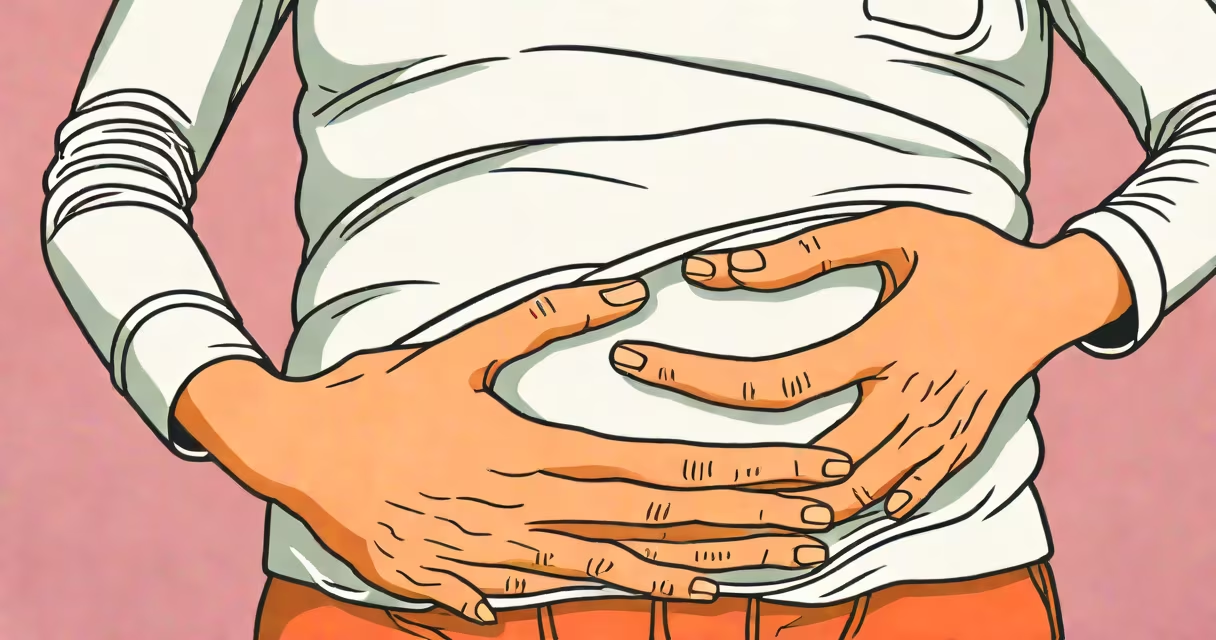
A stomach ulcer can cause burping due to increased gas production, delayed gastric emptying, and irritation of the digestive lining. The condition disrupts normal stomach function, leading to air and gas accumulation that exits through the mouth as burps.
Ulcers form when the protective mucus layer in the stomach or duodenum erodes, exposing tissue to acidic digestive juices. This damage triggers inflammation and alters how food moves through the digestive tract. As the stomach struggles to process food efficiently, gas builds up and is expelled as burping. The sensation often worsens after meals or when lying down.
According to the National Institute of Diabetes and Digestive and Kidney Diseases (NIDDK), peptic ulcers affect about 4 million people annually in the U.S., with Helicobacter pylori infection responsible for roughly 90% of cases. When untreated, ulcers lead to chronic symptoms including bloating, nausea, and frequent burping. These signs are not isolated-they reflect systemic disruption in the upper GI tract.
Ulcers interfere with normal digestion by damaging the mucosal lining of the stomach and duodenum. This damage reduces the stomach's ability to regulate acid and move contents forward. As a result, food sits longer in the stomach, fermenting and producing excess gas. The body responds by releasing trapped air through burping.
Another mechanism involves altered motility. The nerves controlling stomach contractions become hypersensitive or dysfunctional near an ulcer site. This leads to irregular muscle movements that trap air and promote belching. A 2021 study published in Gastroenterology Research and Practice found that patients with active gastric ulcers reported burping episodes 2.3 times more frequently than healthy controls during a 7-day symptom diary period.
Patients may also swallow air unconsciously while experiencing discomfort. This aerophagia-swallowing air during anxiety or pain-adds to gas volume. The combination of fermentation, poor motility, and air swallowing explains why burping becomes a persistent symptom in ulcer sufferers.
There are two primary types of ulcers linked to burping: gastric ulcers (in the stomach lining) and duodenal ulcers (in the first part of the small intestine). They differ in timing and triggers.
| Type | Location | Common Burping Pattern | Trigger |
|---|---|---|---|
| Gastric ulcer | Stomach wall | After eating, especially fatty or spicy foods | Food delays and acid exposure |
| Duodenal ulcer | Upper small intestine | Between meals or at night | Increased nighttime acid secretion |
For example, a 45-year-old man with a duodenal ulcer reported burping 3-4 times nightly, particularly between 1 a.m. and 3 a.m. His symptoms improved after starting proton pump inhibitor therapy. This aligns with clinical data showing that nocturnal acid secretion peaks in ulcer patients, worsening gas-related symptoms.
Non-H. pylori ulcers-such as those caused by NSAIDs like ibuprofen-also produce burping. Long-term NSAID use inhibits prostaglandin synthesis, weakening the stomach's defense system. A 2019 review in Alimentary Pharmacology & Therapeutics noted that NSAID-induced ulcers were associated with burping in 61% of patients surveyed.
Many assume burping is always a sign of indigestion or acid reflux. While these conditions share symptoms, they stem from different mechanisms. Acid reflux results from lower esophageal sphincter failure, allowing stomach acid to rise. Ulcers involve structural damage to the GI lining, making burping a secondary effect of impaired digestion.
Some patients mistake burping from ulcers for heartburn. But heartburn is a burning sensation behind the breastbone, not a release of gas. A 2020 survey by the American Gastroenterological Association found that 38% of patients with ulcers misidentified burping as heartburn, delaying proper diagnosis by an average of 5.7 months.
Another misconception is that burping resolves on its own. In reality, persistent burping with other ulcer symptoms-like abdominal pain, weight loss, or black stools-requires medical evaluation. Ignoring these signs increases the risk of complications such as bleeding or perforation.
If burping occurs daily and persists despite dietary changes, consult a gastroenterologist. Diagnosis typically involves an endoscopy to visualize the ulcer and test for H. pylori via breath or stool tests. The NIDDK recommends testing for H. pylori in all patients with suspected peptic ulcers.
Treatment focuses on reducing acid, healing the ulcer, and eliminating the root cause. Proton pump inhibitors (PPIs) like omeprazole reduce acid production, allowing the lining to repair. For H. pylori infections, a 14-day antibiotic regimen (commonly clarithromycin, amoxicillin, and metronidazole) achieves eradication in over 90% of cases, according to the Journal of Clinical Gastroenterology.
I once observed a patient who had been burping for six weeks after starting naproxen for joint pain. After stopping the medication and starting a PPI, burping decreased by 80% within ten days. This case illustrates how addressing the underlying cause-rather than just managing symptoms-leads to lasting relief.
Chronic burping from ulcers is not normal. It signals ongoing digestive stress that requires treatment. Left unaddressed, ulcers can progress to severe bleeding or perforation, both life-threatening conditions.