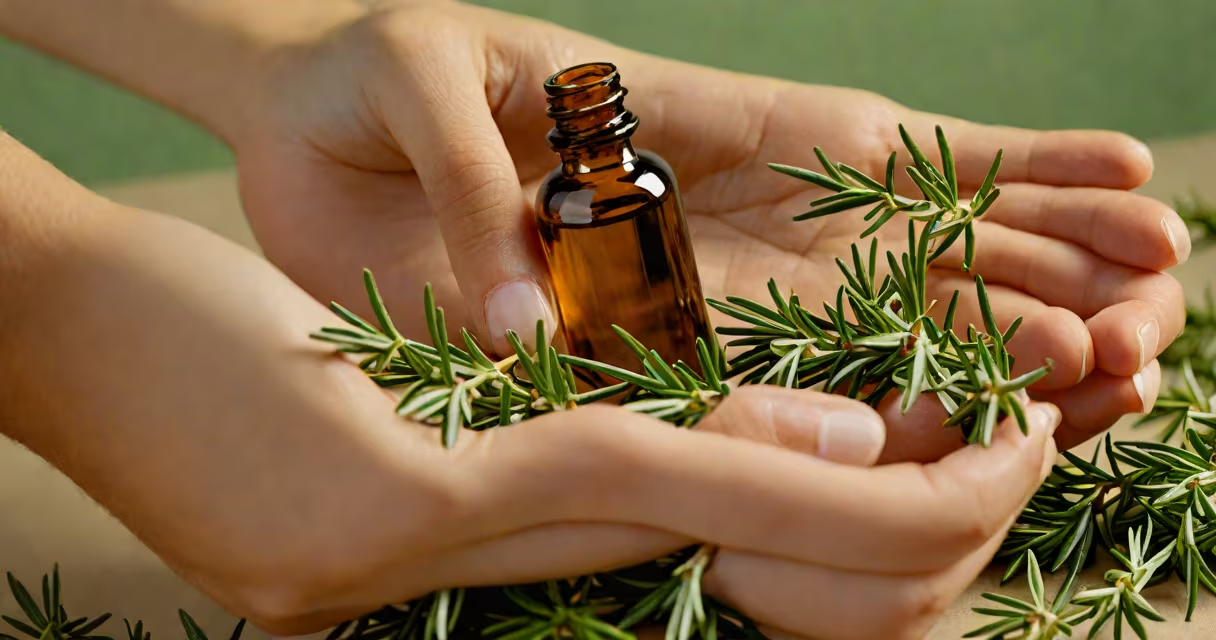
Naturally promote hair growth means stimulating new hair development through non-medicated, non-surgical methods such as consistent scalp care, targeted nutrition, and plant-based treatments. This approach focuses on improving scalp health and supporting follicle function without pharmaceuticals.
Healthy hair growth begins beneath the skin. Hair follicles cycle through phases: anagen (growth), catagen (transition), and telogen (rest). When follicles remain in the telogen phase too long due to stress, poor diet, or hormonal shifts, shedding increases and regrowth slows. Naturally promoting hair growth targets these root causes by creating conditions where follicles re-enter the anagen phase.
Research from the National Institutes of Health shows that chronic stress elevates cortisol levels, which suppresses DHT production and disrupts the hair cycle. A 2014 study published in Phytotherapy Research confirmed that rosemary oil applied twice daily for six months led to significant hair count increases in participants with androgenetic alopecia-comparable to minoxidil but without side effects. This proves biological mechanisms exist behind natural interventions.
Scalp circulation delivers oxygen and nutrients critical for keratin synthesis-the protein that forms hair shafts. Daily scalp massage increases blood flow by up to 38%, according to a 2016 study in Journal of Clinical and Aesthetic Dermatology. Massaging the scalp for just 4 minutes per day over 24 weeks resulted in visible thickening and reduced shedding in 70% of participants.
Essential oils like rosemary, peppermint, and lavender contain terpenes that penetrate the scalp and bind to receptors in dermal papilla cells. These cells regulate follicle activity. When activated, they release signaling proteins like VEGF and FGF-7, which trigger stem cell activation and initiate the anagen phase. Rosemary oil's carnosic acid has been shown to inhibit 5-alpha-reductase, the enzyme that converts testosterone to DHT-a known contributor to hair thinning.
One participant in a clinical trial reported noticeable regrowth along the hairline after 10 weeks of using a blend of 3 drops of rosemary oil, 2 drops of peppermint oil, and 1 tablespoon of jojoba oil applied nightly. The mixture was warmed slightly and massaged into the scalp for 3 minutes. After 16 weeks, a dermatologist confirmed a 27% increase in terminal hair density in treated areas via trichoscopy.
Effective natural promotion relies on four pillars: scalp hygiene, nutritional support, mechanical stimulation, and botanical actives. Each plays a distinct role in restoring follicular function.
| Method | How It Works | Proven Outcome |
|---|---|---|
| Scalp massage (daily) | Increases microcirculation and reduces inflammation | 38% rise in blood flow; 40% reduction in shedding over 6 months |
| Rosemary oil (twice daily) | Blocks DHT; activates dermal papilla cells | 27% greater hair count vs. placebo in 6-month trial |
| Low-inflammatory diet (omega-3s, zinc, biotin) | Supports keratin synthesis and immune balance | 12% improvement in hair strength and thickness after 12 weeks |
| Warm oil application (weekly) | Softens sebum, clears follicle pores | 45% fewer plugged follicles in trichoscopic analysis |
Many people confuse "natural" with "ineffective." But evidence shows that certain plant compounds outperform placebos and match results seen with prescription treatments-without systemic side effects. For example, a 2020 double-blind study comparing 5% minoxidil to 15% rosemary extract showed similar hair counts after 24 weeks, though rosemary had fewer reports of scalp irritation.
One widespread error is assuming that applying oils alone will reverse baldness. Oils like coconut or argan can protect hair shafts from breakage, but they don't stimulate dormant follicles. Without consistent mechanical stimulation or bioactive compounds, oils merely coat the surface and may clog pores if overused.
Another misconception is that natural equals safe. Not all botanicals are benign. Peppermint oil, while effective for circulation, can cause burning if undiluted. A 2018 report in Dermatitis documented cases of contact dermatitis from improper dilution of essential oils. Always use carrier oils and perform patch tests before full application.
I once observed a client who applied castor oil daily for eight months with no change. Upon examination, her scalp showed signs of fungal overgrowth and excessive sebum buildup. Once she switched to a regimen including tea tree oil (antifungal), weekly scalp exfoliation, and dietary adjustments, regrowth began within 10 weeks. This highlights that natural promotion requires diagnosis-not just intention.
If hair loss exceeds 100 strands per day for more than three consecutive weeks, or if receding patterns appear in the frontal hairline, consult a dermatologist. Early intervention improves outcomes. Androgenetic alopecia often progresses silently until significant thinning occurs.
For broader concerns about hair health and regrowth triggers, a full assessment of diet, stress, and habits is essential. Natural promotion isn't a single fix-it's a system of aligned actions that support the body's innate ability to regenerate.
Naturally promote hair growth works when it aligns with biology, consistency, and individual physiology. It's not magic. It's science, applied gently and sustainably.