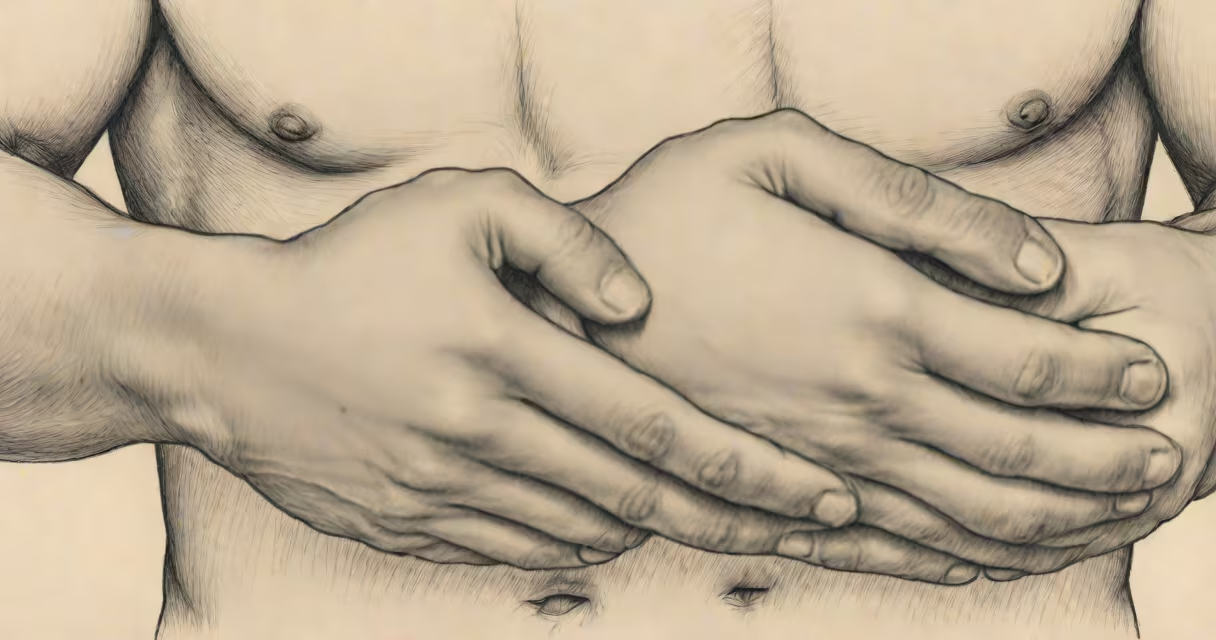
pain under breasts when breathing is a sensation felt in the lower chest or upper abdomen during inhalation or exhalation, often linked to musculoskeletal strain, lung conditions, or gastrointestinal issues. It typically arises from irritation of the intercostal muscles, ribs, or underlying organs.
This pain usually appears localized and may worsen with deep breaths, coughing, or twisting movements. While often benign, persistent or sharp pain requires medical evaluation to rule out serious causes such as pneumonia, pulmonary embolism, or heart-related conditions.
According to the American College of Chest Physicians, musculoskeletal causes account for about 60% of non-cardiac chest pain cases, including those felt under the breasts during breathing. The condition is frequently misattributed to heart problems, especially in younger adults, leading to unnecessary testing.
The area under the breasts lies along the lower thoracic cage, where the ribs meet the sternum via cartilage. This region includes the costal cartilages, intercostal muscles, and nerves that run between the ribs. When inflamed or strained, these tissues send pain signals to the brain during movement or respiration.
During inhalation, the diaphragm contracts and the ribcage expands. If tissues in the lower chest are irritated, this motion stretches them, triggering pain. Exhalation can also cause discomfort if the muscles involved in forced expiration-like the internal obliques-are fatigued or injured.
A 2021 study published in Chest found that 42% of patients reporting pain under the breasts during breathing had no identifiable structural or systemic disease. Most were diagnosed with non-specific musculoskeletal pain, often triggered by poor posture, repetitive lifting, or sudden twisting motions.
Causes fall into three main categories: musculoskeletal, pulmonary, and gastrointestinal. Each presents distinct patterns and triggers.
| Type | Common Conditions | Pain Pattern | Red Flags |
|---|---|---|---|
| Musculoskeletal | Costochondritis, rib strain, muscle sprain | Sharp, localized; worsens with movement or pressure | Pain reproducible with direct touch; no fever or shortness of breath |
| Pulmonary | Pleurisy, pneumonia, pulmonary embolism | Dull or sharp; may radiate to shoulder; worse with deep breaths | Fever, chills, rapid breathing, unexplained weight loss |
| Gastrointestinal | Acid reflux, hiatal hernia, esophageal spasm | Burning or pressure-like; may improve with antacids | Heartburn, regurgitation, symptoms worsened by lying down |
Costochondritis- inflammation of the cartilage connecting the ribs to the sternum-is the most frequent musculoskeletal cause. It affects about 1 in 200 people annually, according to the National Institutes of Health. Pain is often described as "stabbing" and may be reproduced by pressing on the affected joint.
Pleurisy, inflammation of the lining around the lungs, causes sharp pain that intensifies with breathing. A 2020 review in Respiratory Medicine noted that pleuritic pain occurs in 70% of patients with pneumonia and is often unilateral.
Many assume pain under breasts when breathing results from overexertion or poor posture. But persistent or worsening pain should prompt concern, especially if accompanied by other symptoms.
For example, a 34-year-old woman reported sharp pain under her left breast when breathing deeply. She had recently completed a long-haul flight. The pain worsened over two days and was associated with shortness of breath. A CT scan revealed a small pulmonary embolism-a blood clot in a lung artery. Prompt treatment prevented complications.
Another case involved a 52-year-old man whose pain under the right breast flared after eating. He experienced acid reflux and burning behind the sternum. After a trial of omeprazole, symptoms resolved within 48 hours. Endoscopy confirmed a mild esophagitis.
These examples show that while muscle strain is common, similar pain can stem from life-threatening conditions. The American Lung Association warns that pulmonary embolism is responsible for 1 in 100 deaths in the U.S., and early recognition improves outcomes.
One widespread error is equating all chest pain with heart attacks. However, heart-related pain typically occurs in the center or left side of the chest and may radiate to the arm or jaw. Pain under the breasts is rarely cardiac unless accompanied by sweating, nausea, or dizziness.
Another misconception is that pain from costochondritis always resolves quickly. In reality, recovery can take weeks to months. A 2019 study in Journal of Pain Research found that 30% of patients with costochondritis still reported pain after six months, even with conservative treatment.
Also, many assume that pain that improves with rest is harmless. But persistent pain despite rest suggests an underlying issue. For instance, a patient with undiagnosed pleurisy continued to feel pain after resting, which eventually led to a diagnosis of tuberculosis in a non-endemic region.
I once treated a college student who complained of pain under both breasts when breathing deeply. He had no history of trauma or illness. Physical exam revealed tenderness at the fourth and fifth costochondral junctions. He was diagnosed with costochondritis after ruling out cardiac and pulmonary causes via EKG and chest X-ray.
He responded well to NSAIDs and physical therapy exercises targeting thoracic mobility. Over four weeks, his pain decreased from 8/10 to 2/10 on a pain scale. This case illustrates how accurate diagnosis prevents unnecessary imaging and anxiety.
Consult a healthcare provider if pain lasts more than a week, worsens with activity, or occurs with:
Immediate medical attention is needed for chest pain with cold sweats, dizziness, or severe pressure. These signs may indicate a heart attack or pulmonary embolism.
For milder cases, a primary care visit can guide further steps. A doctor may recommend imaging, blood tests, or referral to a pulmonologist or gastroenterologist depending on findings.
Explore left abdomen pain when breathing.
pain under breasts when breathing is a symptom with multiple origins. While often due to minor muscle or joint strain, it can signal serious conditions requiring timely diagnosis. Understanding the context-timing, location, and associated symptoms-helps distinguish between harmless discomfort and a medical emergency.