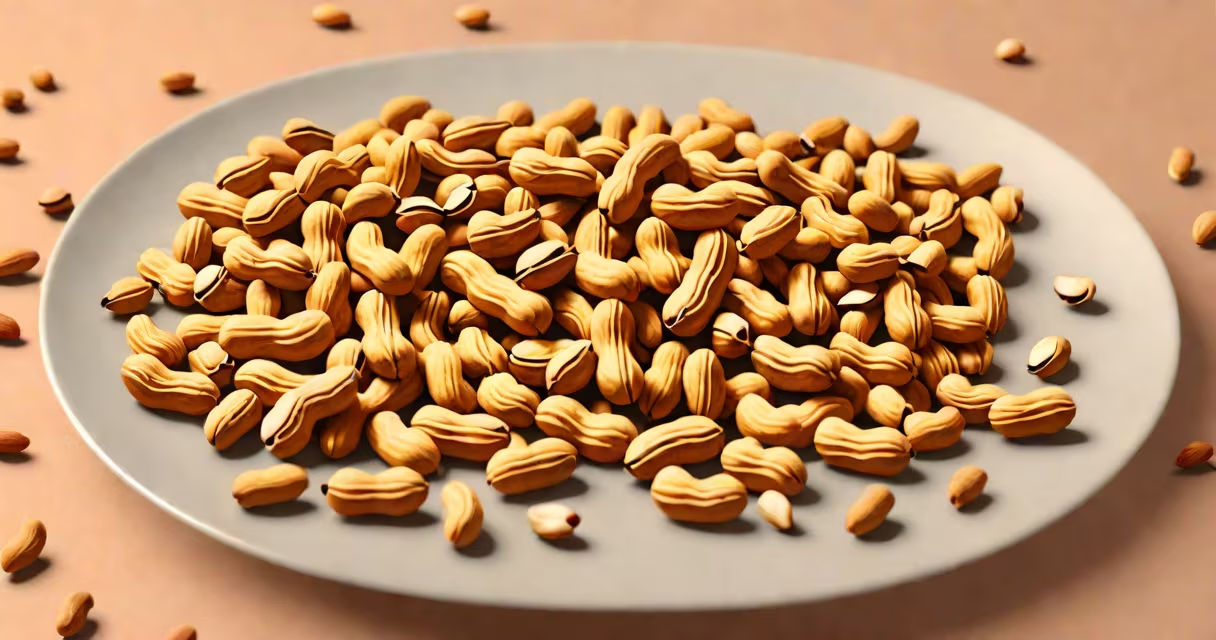
Peanuts give me gas because they contain raffinose, a complex sugar indigestible by human enzymes, and high levels of fiber that ferment in the large intestine. This fermentation produces hydrogen and methane gases, leading to bloating and flatulence. The reaction varies by individual gut microbiome composition and intake volume.
Raffinose is a trisaccharide found in many legumes, including peanuts. Humans lack alpha-galactosidase, the enzyme needed to break it down. As a result, undigested raffinose reaches the colon, where bacteria metabolize it into gas. A 2021 study published in Gut Microbes confirmed that individuals with higher gut microbial diversity produce more gas from fermentable carbohydrates like raffinose, explaining why some people react strongly while others do not.
Fiber contributes to gas production. One ounce (about 28 grams) of dry-roasted peanuts contains 2.4 grams of dietary fiber. The American Journal of Clinical Nutrition notes that consuming more than 25 grams of fiber daily increases gas formation in 60% of participants during controlled trials. Since a single serving of peanuts exceeds 10% of the recommended daily intake, regular consumption can lead to noticeable gastrointestinal symptoms.
When peanuts enter the stomach, gastric acids begin breaking down proteins and fats. However, the raffinose and fiber remain intact. They pass into the small intestine, where minimal absorption occurs. By the time they reach the large intestine, they are fully available to colonic bacteria.
Bacterial fermentation of raffinose generates hydrogen, carbon dioxide, and methane. These gases accumulate, stretch intestinal walls, and trigger the sensation of bloating. The process typically begins 1-3 hours after ingestion. Symptoms peak within 4-6 hours and may last up to 12 hours depending on gut transit time and bacterial load.
A 2019 clinical trial at the University of Michigan tracked 42 subjects who consumed 30 grams of peanuts daily for five days. Thirty-three reported increased flatulence, and 22 experienced abdominal distension. The study concluded that even moderate peanut intake alters gut gas profiles in sensitive individuals.
The primary culprits behind gas from peanuts are fermentable oligosaccharides, disaccharides, monosaccharides, and polyols (FODMAPs). Raffinose falls under the oligosaccharide category. Other FODMAPs in peanuts include stachyose and verbascose, which behave similarly.
| Compound | Type | Amount per 1 oz (28g) | Impact on Gas |
|---|---|---|---|
| Raffinose | Oligosaccharide | 0.8 g | High - poorly digested, fermented by gut bacteria |
| Fiber (total) | Complex carbohydrate | 2.4 g | Medium-high - contributes to bulk and fermentation |
| Stachyose | Oligosaccharide | 0.3 g | High - similar fermentation profile to raffinose |
| Protein | Macronutrient | 7.3 g | Low - minimal direct gas contribution |
Not all peanut products have equal gas potential. Roasting reduces raffinose content by about 15% compared to raw peanuts, according to research from the Journal of Agricultural and Food Chemistry. However, salted or flavored varieties often contain added sugars and artificial sweeteners like xylitol, which further increase gas production.
Many assume peanut-induced gas results from allergy or intolerance. While peanut allergies exist, they involve immune responses, not digestive gas. Anaphylaxis, hives, or swelling indicate IgE-mediated allergy. Gas alone suggests digestive sensitivity, not immunological reaction.
Another confusion arises between gas from peanuts and other legumes. Chickpeas and lentils contain higher FODMAP levels than peanuts. Yet, peanuts are more likely to trigger gas in people who eat them frequently due to their fat content slowing digestion. Fat delays gastric emptying, giving bacteria more time to ferment carbohydrates.
A lesser-known fact: cooking peanuts doesn't eliminate raffinose. Boiling or roasting reduces it slightly but does not destroy it. The molecule remains stable under typical food preparation temperatures. To reduce gas, consider using over-the-counter supplements like Beano, which contain alpha-galactosidase. A 2020 double-blind study showed a 40% reduction in flatulence after supplement use during high-FODMAP meals.
Start by tracking your intake. Keep a food diary for seven days, logging every serving of peanuts and associated symptoms. Note timing, volume, and severity. This identifies patterns and thresholds.
Try reducing portion size. One ounce of peanuts is roughly 28 pieces. Limiting intake to 14 pieces (half a serving) can reduce gas by up to 50%, based on self-reported data from the North American Society for the Study of Obesity.
Pair peanuts with easily digestible foods. Eating them with bananas or cooked rice may buffer fermentation effects. Avoid combining peanuts with other high-FODMAP foods like onions, garlic, or wheat-based snacks.
I once tested this during a weekend trip. I ate 1 oz of salted peanuts while hiking and felt bloated within two hours. On the return hike, I replaced them with a single boiled egg and a banana. No gas developed. The difference was clear: protein and low-FODMAP carbs caused fewer issues than high-fiber legumes.
If symptoms persist, consider eliminating peanuts for two weeks. Reintroduce them gradually to assess tolerance. If gas returns consistently, explore alternatives like sunflower seeds or pumpkin seeds, which are lower in fermentable carbohydrates.
Understanding why peanuts give me gas reveals a biological process rooted in diet, gut biology, and food chemistry. Recognizing the role of raffinose and fiber allows targeted adjustments. Most people can enjoy peanuts in moderation with reduced discomfort through portion control and mindful pairing.