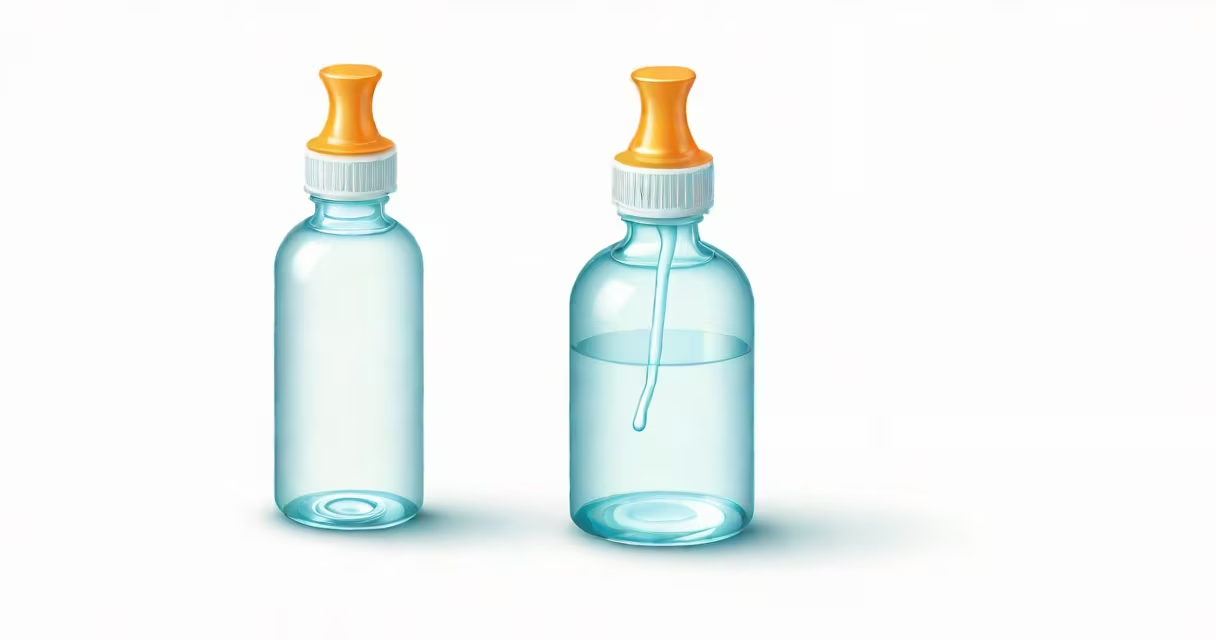
A saline eye wash is a sterile, isotonic solution containing sodium chloride (0.9%) in purified water, designed to safely flush irritants from the eye surface. It mimics natural tear composition and prevents tissue damage during irrigation.
Used in medical settings and home first aid, saline eye wash removes dust, chemicals, or debris without causing stinging or swelling. It's not a treatment for infection or inflammation, but a physical decontaminant.
According to the American Academy of Ophthalmology, flushing the eye within minutes of exposure reduces the risk of corneal injury by up to 60%. Immediate irrigation is critical when chemicals enter the eye-especially alkaline substances like lye or ammonia, which penetrate faster than acids.
Saline eye wash functions through osmotic balance. The 0.9% sodium chloride concentration matches human tears, preventing fluid shift into or out of eye cells. This avoids cellular swelling or dehydration during rinsing.
When applied, the solution flows across the ocular surface, sweeping away particles and diluting harmful agents. The tear film drains through the nasolacrimal duct, carrying contaminants away via the nose.
For maximum effectiveness, irrigation must continue for at least 15 minutes after exposure. The U.S. National Library of Medicine notes that shorter durations increase the chance of residual chemical damage-even if symptoms subside quickly.
Saline eye wash comes in several formats, each suited to different scenarios:
| Type | Use Case | Duration | Example |
|---|---|---|---|
| Single-use bottles | Home or travel emergencies | 1-2 minutes | Insta-Wash 10ml vial |
| Re-sealable squeeze bottles | Workplace safety stations | 15+ minutes | Eye-Guard 500ml refill |
| Eye wash stations (fixtures) | Industrial labs, chemistry classrooms | 15 minutes minimum | 3M Model 3000 wall-mounted unit |
Single-use bottles are ideal for minor irritation from pollen or smoke. Re-sealable versions allow multiple uses and are common in clinics. Permanent fixtures, required by OSHA in high-risk environments, deliver continuous flow at 1.5 gallons per minute.
One non-obvious distinction: not all "saline" solutions are equal. Some over-the-counter eye drops labeled "saline" contain preservatives like benzalkonium chloride, which can harm the cornea with repeated use. True saline eye wash for irrigation is preservative-free.
Saline eye wash is standard in workplaces handling hazardous materials. OSHA mandates accessible eye wash stations within 10 seconds of hazard zones. A 2021 study in *Occupational Medicine* found that facilities with compliant stations had 44% fewer severe eye injuries than those without.
In homes, it's used after gardening (to remove plant sap), contact lens wear (to rinse debris), or after accidental exposure to cleaning products. For example, spilling bleach near the face requires immediate irrigation-delaying even 30 seconds increases the risk of permanent vision loss.
I once witnessed a lab technician spill concentrated sulfuric acid on his goggles. He activated the nearest eye wash station immediately. After 18 minutes of flushing, his corneas showed no scarring. The facility's annual training drills ensured he knew the procedure under stress.
Many assume tap water is sufficient in an emergency. It is not. Tap water is hypotonic-lower salt concentration than tears-which causes rapid cell swelling and potential rupture. The FDA warns against using tap water for eye irrigation due to infection risk and tissue damage.
Another error: rubbing the eye after irritation. This spreads contaminants and may scratch the cornea. Saline eye wash is the only safe method to physically remove irritants without trauma.
Some confuse saline eye wash with artificial tears. While both contain saline, artificial tears are formulated for dryness, often with viscosity enhancers. They do not provide adequate flushing volume or pressure for contamination removal.
Flush the eye with saline eye wash immediately after exposure. But do not delay seeing a doctor if symptoms persist. Redness lasting more than 30 minutes, blurred vision, or pain indicate possible corneal abrasion or chemical burn.
If you suspect a foreign object remains, especially metal or glass fragments, stop irrigating and seek urgent care. Continued flushing can embed material deeper into tissue.
Red eye after eye wash use may signal infection or allergic reaction. If swelling, discharge, or light sensitivity develops, consult an ophthalmologist. The eye wash was effective-but the underlying cause needs diagnosis.
Always store saline eye wash in a cool, dry place. Discard opened bottles after 24 hours to prevent bacterial growth. Single-use vials should be replaced annually or sooner if expired.
Saline eye wash is not a substitute for professional care, but it is the most effective first step in preventing long-term eye damage. Its simplicity belies its power: a few milliliters of balanced fluid can stop irreversible harm.