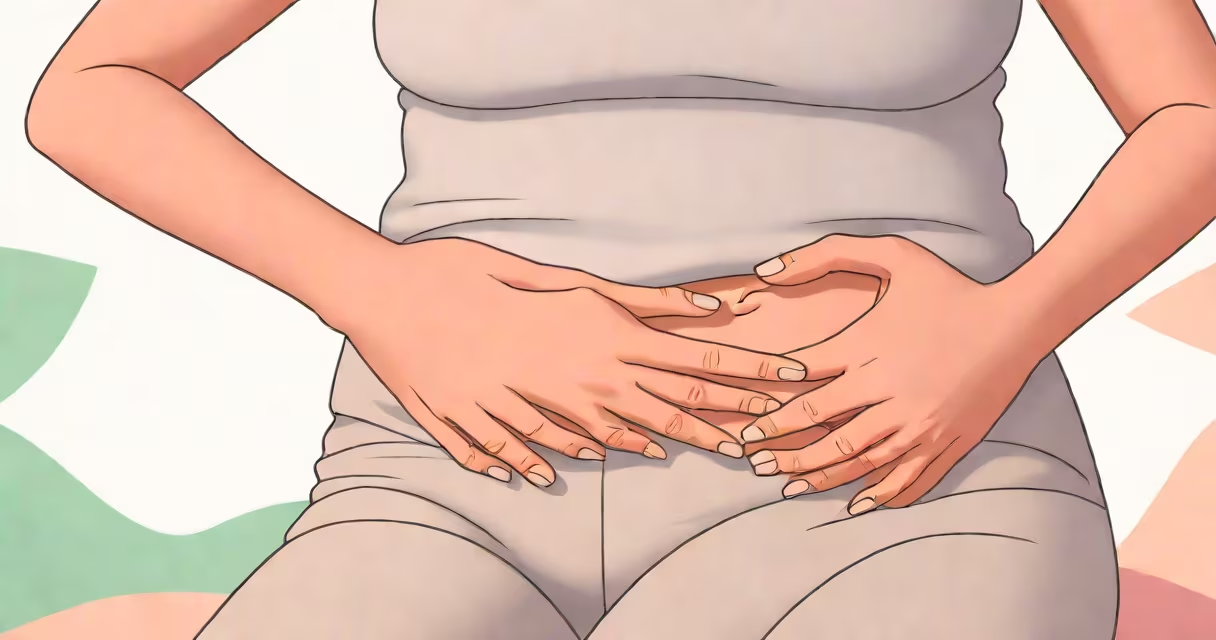
Sharp abdominal pain before period is a common symptom caused by uterine contractions triggered by prostaglandins during the menstrual cycle. It typically begins 1-3 days before menstruation and resolves within 24-48 hours after bleeding starts.
This pain results from the uterus contracting to shed its lining. Prostaglandins-hormone-like substances released during ovulation and early menstruation-cause strong contractions that reduce blood flow to the uterine tissue. When these contractions are excessive, they compress nearby nerves and blood vessels, leading to sharp, cramping pain in the lower abdomen.
According to the American College of Obstetricians and Gynecologists (ACOG), about 50% of people who menstruate experience moderate to severe menstrual pain, known clinically as dysmenorrhea. The condition affects individuals across all ages but tends to peak in the late teens and early twenties.
The process begins with ovulation. After releasing an egg, the corpus luteum produces progesterone to prepare the uterine lining for potential implantation. If pregnancy doesn't occur, hormone levels drop sharply, triggering the release of prostaglandins.
Prostaglandins bind to receptors in the uterine muscle, causing intense contractions. These contractions can restrict blood flow to the uterus, resulting in ischemia (lack of oxygen). Nerve endings in the pelvic region then send pain signals to the brain, perceived as sharp, stabbing, or cramping sensations.
Some individuals report the pain radiating to the lower back or thighs. This occurs because the nerves serving the uterus also innervate nearby structures. A 2021 study published in Frontiers in Physiology found that higher levels of prostaglandin E2 correlate with increased pain severity and longer duration of menstrual cramps.
Pain patterns vary. Some experience mild, intermittent twinges; others endure constant, severe spasms. The intensity often correlates with prostaglandin levels, which fluctuate based on hormonal balance and inflammation markers.
| Type | Description | Common Triggers |
|---|---|---|
| Primary dysmenorrhea | Pain due to normal menstrual processes, not underlying disease. Typically begins within 6 months of menarche. | High prostaglandin production, stress, caffeine, high-fat diet |
| Secondary dysmenorrhea | Pain caused by an underlying condition such as endometriosis or fibroids. Often worsens over time. | Endometriosis, adenomyosis, pelvic inflammatory disease, uterine fibroids |
Primary dysmenorrhea accounts for 90% of cases. Secondary dysmenorrhea may start later in life and progressively intensify. For example, someone who previously had mild cramps may begin experiencing sharp pain before their period starts two years after initial onset.
A 2022 review in Obstetrics & Gynecology noted that secondary dysmenorrhea is associated with a 30% higher risk of infertility when left untreated. Early diagnosis improves outcomes.
Healthcare providers assess sharp abdominal pain before period to differentiate between normal menstrual cramping and signs of reproductive disorders. The pain's timing, location, duration, and response to treatment inform diagnostic decisions.
When pain begins more than 3 days before menstruation, lasts beyond the first two days of bleeding, or is accompanied by heavy flow, fever, or abnormal discharge, further evaluation is needed. These patterns suggest possible endometriosis, pelvic inflammatory disease, or ectopic pregnancy.
For example, a 25-year-old patient reported sharp pain beginning five days before her expected period, lasting seven days, and worsening with movement. She also experienced nausea and fatigue. Imaging revealed endometrial lesions outside the uterus-diagnosed as stage II endometriosis. Her symptoms were misattributed to "normal cramps" for two years prior.
Many assume all pre-period pain is normal. That's incorrect. While mild cramping is typical, persistent or worsening pain requires evaluation. A 2020 study in Journal of Women's Health found that 44% of patients with endometriosis initially received delayed diagnoses due to assumptions about "typical" menstrual pain.
I once observed a patient in a clinic who described sharp pain starting three days before her period. She used heat pads and ibuprofen with partial relief. After a pelvic ultrasound, we discovered a 5 cm ovarian cyst. The pain resolved after cyst drainage. This case illustrates how pre-menstrual pain can mask serious conditions when ignored.
Seek care if pain disrupts daily activities, persists beyond the first few days of bleeding, or worsens over time. Red flags include:
ACOG recommends evaluating new or changing pain patterns with imaging and possibly laparoscopy. Early intervention reduces long-term complications like chronic pelvic pain or infertility.