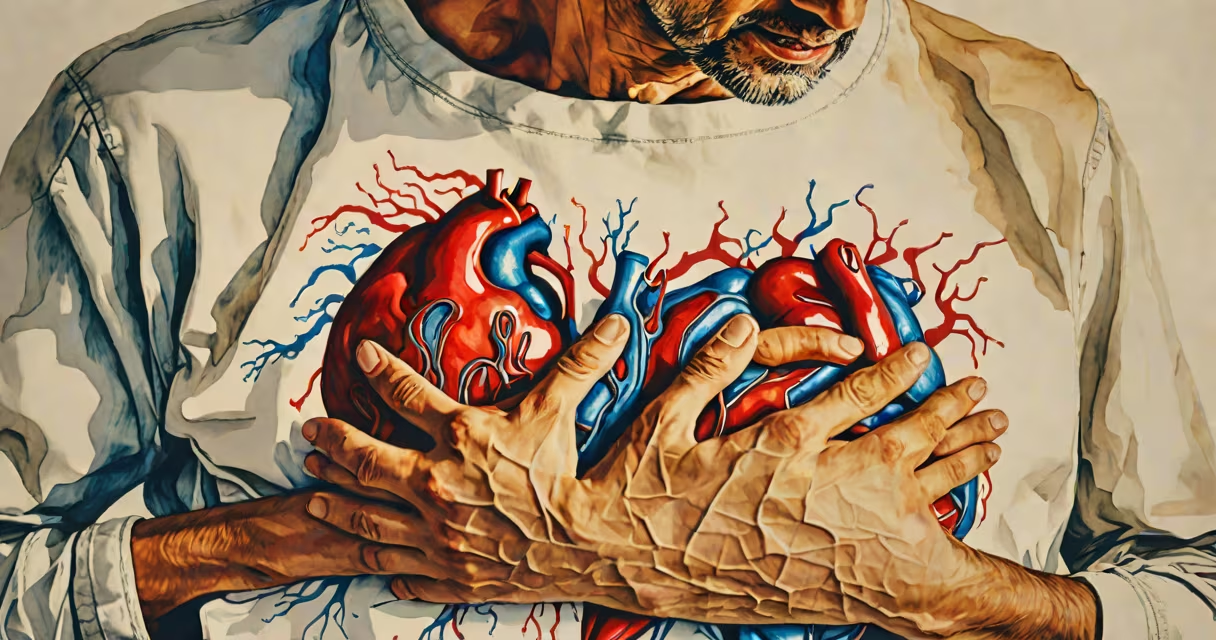
Myocardial infarction, commonly known as a heart attack, occurs when blood flow to part of the heart muscle is blocked, usually by a clot in a coronary artery. The most common symptom is persistent chest discomfort-often described as pressure, squeezing, fullness, or pain lasting more than a few minutes or coming and going.
Not all heart attacks present with dramatic chest pain. Some people, especially women, older adults, and those with diabetes, experience atypical symptoms such as fatigue, indigestion-like nausea, dizziness, or unexplained sweating. These subtle signs can delay seeking care, increasing the risk of complications.
Immediate recognition of symptoms is essential. Delayed treatment reduces survival chances and increases long-term damage to the heart muscle. According to the American Heart Association, prompt medical attention within 90 minutes of symptom onset improves outcomes.
When a coronary artery becomes blocked, oxygen-rich blood cannot reach the affected area of the heart. Without oxygen, heart muscle cells begin to die within minutes. This tissue damage triggers nerve signals interpreted by the brain as pain or pressure in the chest, arms, neck, jaw, or back.
Pain may radiate from the center of the chest to the left arm, shoulder, or jaw. It often lasts longer than typical muscle strain or acid reflux-usually five minutes or more-and doesn't resolve with rest or antacids. The sensation is frequently described as "a heavy weight" or "an elephant sitting on my chest."
Other physiological responses follow. The body releases stress hormones like adrenaline, which can cause cold sweats, lightheadedness, or a rapid heartbeat. These autonomic reactions occur because the nervous system responds to the lack of oxygen in the heart.
The following table outlines typical and atypical symptoms reported during myocardial infarction, based on data from the National Institutes of Health and the American College of Cardiology.
| Symptom | Typical Presentation | Atypical or Underreported Cases |
|---|---|---|
| Chest pressure or pain | Central, crushing, lasts >5 min | May feel like indigestion or anxiety |
| Shortness of breath | Occurs with or without chest pain | Can precede chest discomfort |
| Nausea or vomiting | Present in ~20% of cases | More common in women and diabetics |
| Excessive sweating | Cold, clammy skin | Often mistaken for fever or anxiety |
| Dizziness or fainting | Due to low blood pressure or arrhythmia | More frequent in elderly patients |
Women are more likely to report fatigue, sleep disturbances, and upper abdominal discomfort than classic chest pain. A 2021 study published in JAMA Internal Medicine found that women were 25% less likely to receive timely diagnosis due to symptom misattribution.
Diabetes can mask pain perception. Up to 40% of diabetic patients with a heart attack report no chest pain, a condition called "silent ischemia." This increases the risk of sudden cardiac death before medical help is sought.
Many people mistake heart attack symptoms for anxiety, stress, or gastrointestinal issues. A 2020 CDC survey showed that nearly half of individuals who experienced a heart attack initially believed they had a panic attack or acid reflux.
Another misconception is that only men have heart attacks. In reality, cardiovascular disease is the leading cause of death among both men and women in the United States. Women are more likely to die from a heart attack than men, partly due to delayed recognition and treatment.
Some assume that if they're young and healthy, they're immune. But myocardial infarction can occur in people under 40, particularly those with genetic predispositions, high cholesterol, or smoking histories. A 2019 study in European Heart Journal documented a 12% rise in heart attacks among adults aged 25-34 between 2006 and 2016.
In 2022, a 54-year-old woman visited her primary care provider complaining of persistent fatigue, mild nausea, and a dull ache in her upper abdomen. She dismissed the symptoms as stress-related. Over the next 48 hours, she developed cold sweats and shortness of breath while walking up stairs.
She was admitted to the emergency department after calling 911. An electrocardiogram (ECG) revealed ST-segment elevation in leads II, III, and aVF-indicating an inferior wall myocardial infarction. Angiography confirmed a complete blockage in the right coronary artery. She underwent emergency percutaneous coronary intervention (PCI) and recovered with minimal scarring.
This case illustrates how non-specific symptoms can delay diagnosis. The patient had no chest pain but exhibited multiple red flags: new-onset fatigue, nausea, and exertional dyspnea. Early evaluation prevented irreversible damage.
I once observed a paramedic team respond to a 63-year-old man who reported "tightness in his chest" and "feeling like he couldn't catch his breath." He denied pain but had cold sweat and pale skin. The ECG in the ambulance showed evolving ST elevations. The team initiated aspirin and activated the cath lab en route to the hospital.
He received angioplasty within 45 minutes of arrival. His heart function preserved. The delay in reporting symptoms-only 15 minutes after onset-was critical. Had he waited longer, the outcome would have worsened.
If you or someone nearby experiences chest discomfort lasting more than five minutes, especially with sweating, nausea, or shortness of breath, call emergency services immediately. Do not drive yourself. Time is muscle-every minute counts.
Early treatment with clot-busting drugs or mechanical revascularization reduces mortality by up to 50%. The American Heart Association recommends acting within 30 minutes of symptom onset for optimal results.
Understanding the symptoms of myocardial infarction saves lives. Recognizing atypical presentations, especially in women and people with diabetes, ensures faster care. Knowing what to do when symptoms appear can make the difference between recovery and permanent disability.