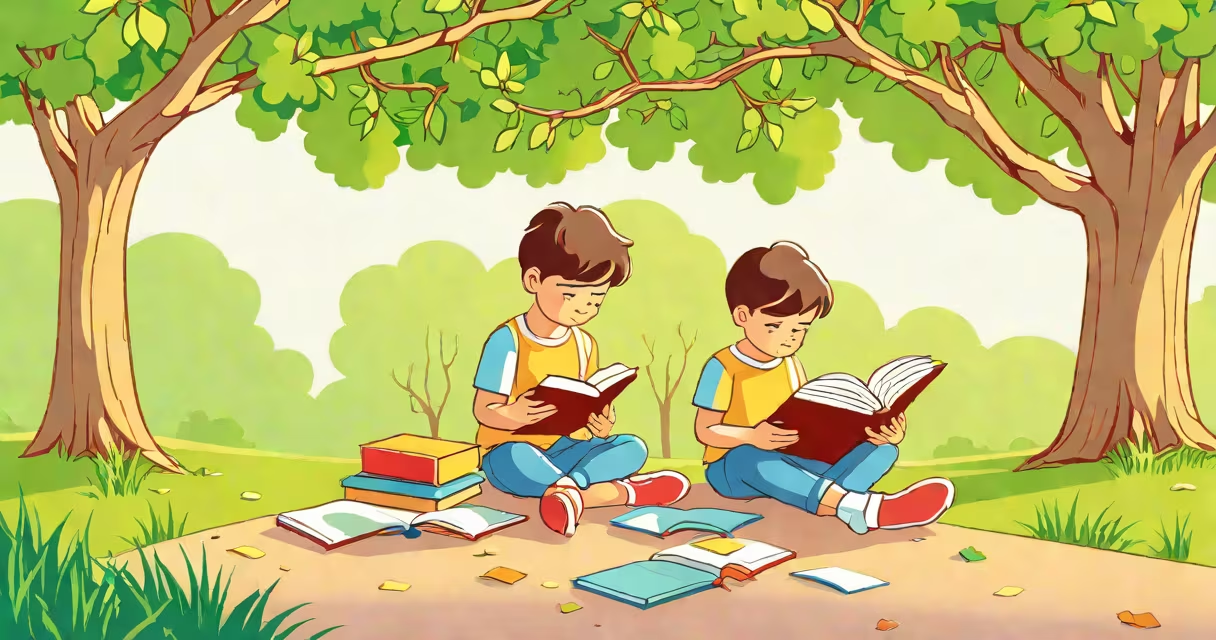
The simple meaning of education is the process of gaining knowledge, developing skills, and forming values through structured learning, instruction, or life experiences. It's not limited to schools-it includes everything from watching a tutorial online to learning how to cook from a family member.
Education begins at birth. Infants learn to recognize voices, respond to emotions, and understand cause and effect. As children grow, they absorb language, social norms, and basic reasoning. This informal learning continues throughout life, even when no teacher is present.
Formal education-the kind most people think of-occurs in schools, colleges, and training centers. It follows a curriculum, uses assessments, and leads to credentials like diplomas or degrees. But even this structured form serves the same core purpose: helping people understand the world and act within it.
Education functions through interaction between learners and information. A student listens to a lesson, practices a skill, reflects on feedback, and applies what they've learned. This cycle repeats across subjects, ages, and settings.
For example, a high school biology class teaches about cells. The teacher explains structure and function. Students watch a video of cell division, then draw diagrams and label parts. Later, they take a quiz. The process combines input (teaching), output (drawing), and evaluation (quiz).
Learning isn't always passive. Active participation-asking questions, debating ideas, solving problems-strengthens retention. Research from the National Center for Biotechnology Information shows that students who engage in discussion retain 70% more material than those who only listen.
Education isn't one-size-fits-all. Different forms serve different goals and contexts.
| Type | What It Covers | Example |
|---|---|---|
| Formal | Schools, colleges, standardized curricula | High school math course with exams and grades |
| Informal | Everyday experiences, observation, trial and error | Learning to tie shoes by watching a sibling |
| Non-formal | Workshops, community programs, online courses | Free coding class offered by a local library |
Many people assume education only happens in classrooms. But informal education-like learning how to fix a leaky faucet by watching a YouTube video-is just as valid. It doesn't require a certificate, but it still builds capability.
Non-formal education fills gaps. A person who dropped out of school might learn job skills through a vocational program. These programs don't lead to degrees, but they provide practical tools for employment.
People often confuse education with schooling. Schooling is a system-classrooms, schedules, grades. Education is the outcome: understanding, growth, application. You can attend school for years and still lack education if you never think critically or apply what you've learned.
Another mistake is thinking education ends at graduation. Lifelong learning is essential. Adults return to school, take online courses, or read books to stay informed. The World Economic Forum reports that 50% of all employees will need significant reskilling by 2025 due to automation and AI.
Driver education illustrates how the simple meaning of education unfolds in daily life. It's not just about passing a test. It's about building safe habits, understanding traffic laws, and reacting to unexpected situations.
A teenager takes a driver's ed course. They study road signs, practice parking, and learn defensive driving techniques. After passing a written exam and a behind-the-wheel test, they earn a license. But the learning doesn't stop there.
Each time they drive, they refine their judgment. They learn how weather affects braking distance. They adapt to new drivers on the road. This ongoing adjustment is part of education-even when no teacher is present.
I once watched my younger cousin fail his first driving test because he panicked at a busy intersection. He didn't know how to handle sudden changes. After two weeks of extra practice, he passed. That experience taught him more than any textbook ever could.
Focusing on the simple meaning of education keeps us grounded. It reminds us that learning isn't about grades or prestige-it's about becoming capable, thoughtful, and adaptable.
When we reduce education to "schooling," we overlook the power of everyday moments. A conversation with a neighbor, a walk through a park, a disagreement with a friend-all can teach something. The key is curiosity and reflection.
Understanding this helps families support children's growth. It also informs policy. Governments that fund early childhood programs see better long-term outcomes in health, employment, and civic engagement.
The simple meaning of education is about empowerment. It gives people tools to make choices, solve problems, and contribute to communities. Whether in a classroom or on a sidewalk, education shapes lives.