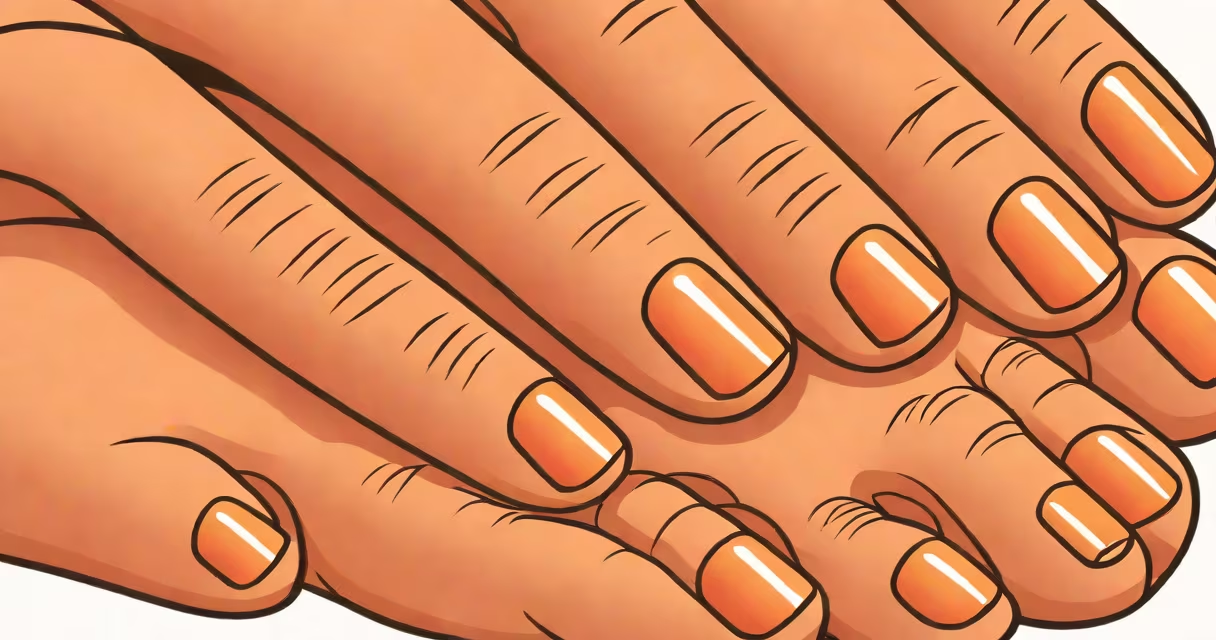
Swollen finger toes refer to localized or widespread puffiness affecting the digits of the hand and foot, often due to trauma, inflammation, infection, or underlying medical conditions such as gout, rheumatoid arthritis, or diabetes-related complications. The condition may involve one or multiple toes and fingers simultaneously.
Swelling occurs when fluid accumulates in tissues due to increased capillary permeability or impaired lymphatic drainage. This process can be triggered by direct injury, immune responses, or metabolic disturbances. Swelling in the digits is typically visible as puffiness, tight skin, reduced mobility, and sometimes pain or warmth upon touch.
Common triggers include minor injuries like stubbing a toe, wearing ill-fitting shoes, or repetitive stress on joints. More serious causes include infections such as paronychia (nail fold infection), cellulitis, or systemic diseases like psoriatic arthritis and lupus. In rare cases, swelling may indicate a vascular issue such as deep vein thrombosis or Raynaud's phenomenon.
The body responds to tissue damage or pathogens by releasing inflammatory mediators such as histamine, prostaglandins, and cytokines. These substances increase blood flow to the affected area and allow immune cells to enter tissues, leading to fluid leakage into interstitial spaces. As fluid builds up, pressure rises, resulting in visible swelling and discomfort.
For example, a person who repeatedly wears narrow footwear may develop chronic pressure on the big toe joint. Over time, this leads to microtrauma, inflammation, and eventual swelling. If left unaddressed, this can progress to bunions or hallux valgus deformity, which further restricts movement and increases pain.
Chronic swelling can also stem from poor circulation. A 2021 study published in Arthritis & Rheumatology found that patients with early-stage rheumatoid arthritis often report joint swelling in the hands and feet before other symptoms appear. Early detection through physical examination and imaging improves long-term outcomes.
Swelling in fingers and toes varies by location, duration, and accompanying signs. The following table outlines key categories based on etiology:
| Type | Key Features | Common Causes | Typical Duration |
|---|---|---|---|
| Acute trauma | Pain, bruising, limited motion | Stubbed toe, jammed finger, sprain | Hours to days |
| Infection | Redness, heat, pus, fever | Paronychia, cellulitis, athlete's foot spread | Days to weeks |
| Autoimmune | Joint stiffness, symmetrical swelling | Rheumatoid arthritis, psoriatic arthritis | Chronic, flares occur |
| Metabolic | Sharp pain, sudden onset, redness | Gout (urate crystal deposition), pseudogout | Hours to days |
| Systemic | Generalized edema, fatigue | Heart failure, kidney disease, hypothyroidism | Persistent, worsens over time |
One non-obvious distinction: swelling from gout typically affects the big toe joint (podagra) and presents with intense pain within hours. A 2020 review in Journal of Clinical Rheumatology noted that gout attacks often begin at night and resolve within 3-7 days without treatment, though recurrence is common.
Another overlooked cause is medication side effects. Drugs like calcium channel blockers (used for hypertension) can induce peripheral edema. A patient taking amlodipine may notice gradual swelling in both hands and feet over several weeks, even without injury.
Swelling in fingers and toes is frequently dismissed as minor. However, persistent or worsening swelling signals a need for evaluation. Red flags include swelling lasting longer than 7 days, increasing pain, fever, inability to move the digit, or spreading redness.
For instance, a 52-year-old man developed swelling in his right index finger after gardening. He ignored it for five days. By day six, he had a fever of 38.3°C (101°F), throbbing pain, and red streaks extending up his forearm. He was diagnosed with acute paronychia progressing to felon (deep hand infection), requiring IV antibiotics and surgical drainage. Delayed care risked permanent loss of function.
Swelling that affects both feet symmetrically-especially if accompanied by fatigue, weight gain, or shortness of breath-may indicate heart or kidney dysfunction. According to the American Heart Association, bilateral lower extremity edema is a known sign of congestive heart failure, particularly in older adults.
I once treated a patient whose swollen toes were initially attributed to tight shoes. After two weeks of no improvement, we ordered a urinalysis. It revealed proteinuria, indicating early kidney disease. His swelling resolved after managing blood pressure and reducing salt intake.
Start with rest, elevation, and cold compresses for acute injuries. Apply ice for 15 minutes every 2-3 hours during the first 48 hours. Avoid putting weight on swollen toes or gripping tightly with swollen fingers.
If swelling persists beyond 72 hours, worsens, or includes fever, pus, or numbness, seek medical attention. A doctor may perform blood tests (CRP, ESR, uric acid levels), imaging (X-ray, ultrasound), or joint aspiration to confirm diagnosis.
Treatment depends on the root cause. Gout requires allopurinol or febuxostat to lower uric acid. Bacterial infections need antibiotics. Autoimmune conditions require disease-modifying antirheumatic drugs (DMARDs).
Early intervention prevents irreversible joint damage, chronic pain, and secondary complications. Do not assume swelling is harmless simply because it's mild. Persistent or recurring episodes demand clinical evaluation.