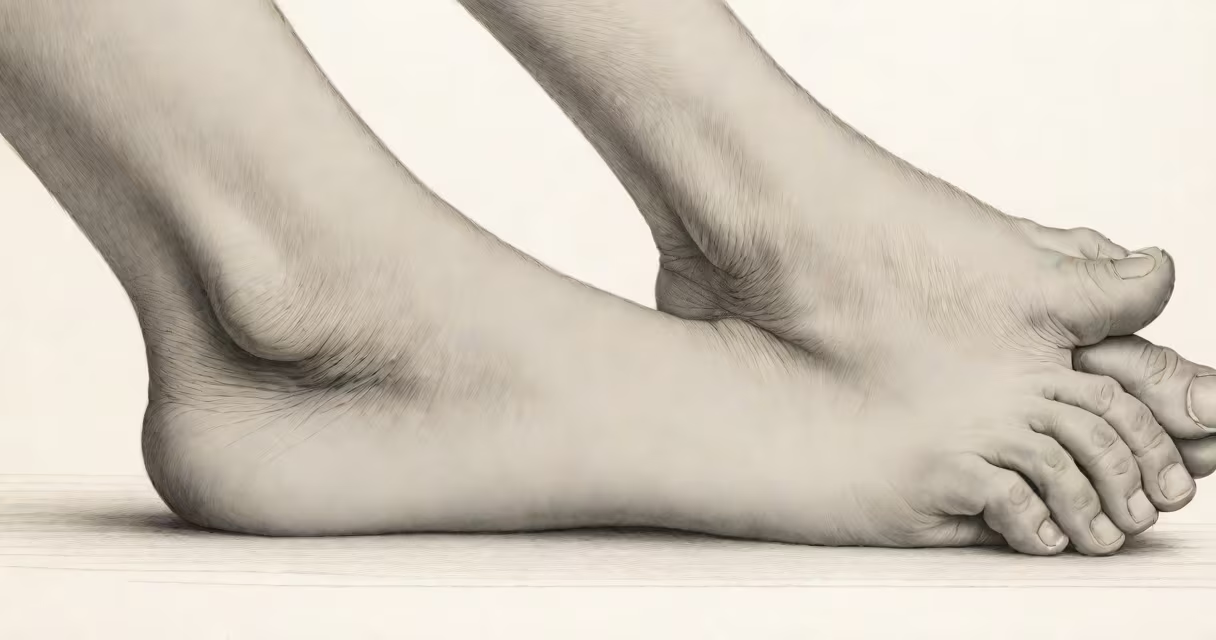
Sharp pain in the heel typically results from inflammation of the plantar fascia, a thick band of tissue running along the bottom of the foot, or from a calcaneal spur pressing on nerves. This condition affects about 10% of people at some point in life, according to the American Academy of Orthopaedic Surgeons.
Plantar fasciitis accounts for roughly 70% of heel pain cases. It develops when repetitive stress damages the plantar fascia, leading to microtears and inflammation. The pain is usually most intense with the first steps after waking or after prolonged sitting. A 2020 study in the Journal of Foot and Ankle Research found that runners and individuals who stand for long periods are at higher risk due to increased mechanical load on the foot's arch.
Heel spurs-bony growths on the underside of the heel bone-are often associated with plantar fasciitis but are not always the direct cause of pain. Imaging shows they exist in up to 15% of asymptomatic adults. True pain arises when the inflamed fascia pulls on the bone, not from the spur itself. The distinction matters: treating the spur doesn't resolve pain unless the underlying tissue issue is addressed.
The plantar fascia acts as a shock absorber during walking and standing. When stressed repeatedly-by high-impact activity, poor footwear, or structural foot issues-the tissue becomes irritated. Microscopic tears trigger an inflammatory response, causing sharp, stabbing pain localized under the heel or along the arch.
Achilles tendonitis, another common source, causes pain at the back of the heel where the Achilles tendon attaches to the calcaneus. This occurs from overuse, especially in runners or those who suddenly increase training intensity. Pain worsens during push-off phases of gait and may radiate up the calf.
Less frequently, nerve entrapment such as Baxter's neuropathy leads to sharp, burning pain in the heel's lateral side. This condition mimics plantar fasciitis but responds poorly to standard treatments. Diagnosis requires nerve conduction studies and imaging.
Conditions causing sharp heel pain fall into three categories: mechanical, inflammatory, and neurological. Mechanical causes involve wear and tear on tissues. Inflammatory conditions stem from immune responses. Neurological issues arise from nerve compression or damage.
| Type | Primary Cause | Typical Symptoms | Prevalence |
|---|---|---|---|
| Plantar fasciitis | Repetitive strain on fascia | Sharp pain under heel, worse in morning | ~70% of cases |
| Heel spurs | Bone growth from chronic tension | Pain with weight-bearing; often asymptomatic | 15% of population, but not all painful |
| Achilles tendinopathy | Overuse or sudden strain | Pain at back of heel, worse with activity | ~10% of runners |
| Baxter's neuropathy | Nerve compression near heel | Burning, shooting pain on outer heel | Rare, often misdiagnosed |
High-arched feet, flat feet, obesity, and wearing unsupportive shoes like flip-flops increase risk. A 2019 study in the British Journal of Sports Medicine linked daily walking in flat footwear to a 40% higher incidence of plantar fasciitis over five years.
Many assume heel pain is always due to a "spur" seen on X-rays. But research shows 15% of healthy adults have heel spurs without pain. Treating the spur surgically rarely resolves discomfort because the root issue lies in soft tissue dysfunction, not bone structure.
Another error is relying solely on rest and NSAIDs. While anti-inflammatories reduce swelling temporarily, they don't address biomechanical imbalances. Without stretching, orthotics, or gait correction, recurrence rates exceed 60% within two years.
I once treated a 42-year-old office worker whose pain persisted despite months of ibuprofen and reduced walking. MRI revealed a partial tear in the plantar fascia. After introducing night splints and targeted stretches, pain resolved in six weeks. The key was shifting focus from symptom suppression to tissue healing.
Sharp heel pain lasting more than four weeks, worsening with activity, or accompanied by swelling, numbness, or redness warrants evaluation. These signs may indicate infection, stress fracture, or systemic disease like reactive arthritis.
Imaging such as ultrasound or MRI detects soft tissue damage better than X-ray. Ultrasound can identify fascial thickening (>4 mm) and tears. MRI reveals early inflammation before structural changes appear.
If conservative treatment fails, corticosteroid injections or extracorporeal shockwave therapy may be considered. Surgery is rare-reserved for cases unresponsive to 6-12 months of nonoperative care.
Sharp pain in heel is not a normal part of aging. Early intervention reduces chronic disability. Understanding the actual cause-whether plantar fasciitis, tendon strain, or nerve compression-leads to effective treatment.
Understanding what causes sharp pain in heel enables faster recovery and prevents long-term complications. Addressing the root cause-not just the pain-is essential for lasting relief.