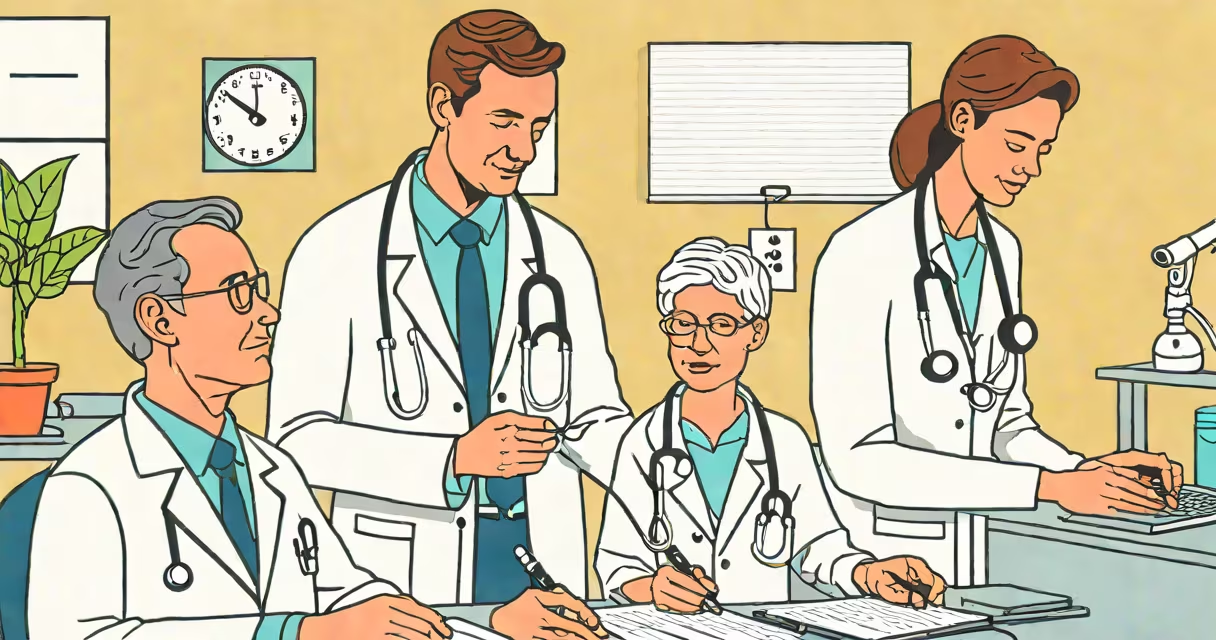
A physical exam is a clinical assessment conducted by a healthcare provider to evaluate health, detect potential conditions, and establish baseline measurements. It includes important sign checks, visual inspection, manual palpation, and listening to internal organs using tools like a stethoscope.
During a physical exam, providers assess multiple systems: cardiovascular, respiratory, neurological, musculoskeletal, and abdominal. They measure blood pressure, heart rate, temperature, and respiratory rate. They listen to the heart and lungs, examine the skin, eyes, ears, nose, and throat, and test reflexes and muscle strength. A physical exam may also include urine testing, blood work, or imaging based on age, gender, risk factors, and symptoms.
The U.S. Preventive Services Task Force (USPSTF) recommends routine physical exams for adults aged 18 and older, especially when tied to preventive screenings such as cholesterol checks, cancer screenings, and immunizations. These visits are not always annual; frequency depends on individual health history and risk profile.
Healthcare providers follow a systematic sequence during a physical exam. They begin with a review of medical history, including past illnesses, surgeries, medications, allergies, and family health patterns. This context shapes the focus of the physical portion.
Next, important signs are recorded. Blood pressure is measured using a sphygmomanometer. Heart rate is checked via pulse at the wrist or neck. Temperature is taken orally, rectally, or via ear thermometer. Respiratory rate is counted by observing chest movements over 30 seconds. These numbers provide immediate insight into cardiovascular and metabolic function.
After vitals, the provider proceeds to the head-to-toe examination. The eyes are checked for symmetry and reaction to light. The ears are examined with an otoscope for wax or infection. The throat is inspected for redness or swelling. The neck is palpated for enlarged lymph nodes or thyroid enlargement. The chest is auscultated to listen for crackles, wheezes, or normal breath sounds.
Providers use specific tools to gather objective data. A stethoscope detects heart murmurs, lung congestion, or abnormal bowel sounds. A tuning fork assesses vibration sense and nerve function. A reflex hammer tests spinal cord reflexes like the knee-jerk response. A handheld ophthalmoscope examines retinal health and optic nerve swelling.
Common procedures include palpating the abdomen for tenderness or organ enlargement, checking for hernias, and performing a breast or prostate exam based on sex and age. For women, a pelvic exam may be included to screen for cervical cancer using a Pap smear. Men may undergo a digital rectal exam to assess prostate size and texture.
Basic lab tests often accompany the exam. A urine dipstick checks for glucose, protein, or infection markers. Blood tests may screen for anemia, diabetes, kidney function, or lipid levels. The American College of Physicians notes that routine blood panels are not universally recommended for asymptomatic adults due to low yield and risk of false positives.
| System | Assessment Method | Typical Findings |
|---|---|---|
| Cardiovascular | Blood pressure, heart auscultation, peripheral pulses | Normal BP <120/80 mmHg; regular rhythm; no murmurs |
| Respiratory | Lung auscultation, percussion, respiratory rate | Clear breath sounds bilaterally; rate 12-20 breaths/min |
| Neurological | Reflex testing, coordination, sensation | Brisk reflexes; intact light touch and proprioception |
| Abdominal | Palpation, auscultation, percussion | No tenderness; bowel sounds present; no masses |
Physical exams occur in primary care clinics, urgent care centers, occupational health settings, and school or sports medicine programs. They are required for employment, insurance eligibility, military enlistment, and athletic participation.
For example, the Department of Transportation mandates physical exams for commercial drivers to ensure they meet vision, hearing, and cardiovascular standards. Schools require physicals before students join sports teams to prevent injury-related complications. Employers use them to confirm fitness for duty, especially in high-risk jobs like construction or transportation.
Despite widespread use, evidence shows that routine physical exams in healthy adults do not reduce mortality or hospitalization rates compared to targeted care. A 2017 Cochrane review analyzed 14 randomized trials and found no significant benefit in health outcomes from annual physicals in asymptomatic individuals. However, the exam remains valuable for building trust, identifying undiagnosed conditions, and promoting preventive care.
Many people assume a physical exam is a full-body scan or diagnostic test. It is not. It's a structured observational and tactile evaluation. Providers do not perform MRI scans or detailed imaging unless symptoms suggest a need.
Another misconception is that physicals always lead to treatment. Most exams result in no intervention. The goal is surveillance, not action. If no abnormalities are found, the provider may recommend lifestyle changes or schedule a follow-up in one to three years.
Some patients expect the exam to diagnose chronic diseases like diabetes or hypertension. While blood pressure and glucose levels are checked, diagnosis requires repeat testing. A single elevated reading doesn't confirm a condition. The American Diabetes Association states that a diagnosis requires two abnormal fasting glucose readings or an HbA1c above 6.5%.
I once observed a 45-year-old man arrive for his annual physical expecting a full battery of tests. He had no symptoms. The doctor took his vitals, performed a brief cardiac and lung exam, and confirmed he was healthy. The visit lasted 18 minutes. No labs were ordered. The patient left frustrated. Later, he returned with fatigue and weight gain. A blood test revealed hypothyroidism. The initial exam didn't catch it-but it did set the stage for timely follow-up.
A physical exam is not the same as a wellness visit, a mental health screening, or a specialist consultation. Wellness visits focus on lifestyle habits and preventive education. Mental health evaluations assess mood, anxiety, and cognitive function. Specialist exams target specific organs or systems, such as a cardiologist's stress test or a dermatologist's mole check.
Physical exams also differ from telehealth visits. While virtual consultations can assess symptoms and update records, they cannot replace hands-on assessment. A doctor cannot feel an enlarged liver or hear a heart murmur over video. The American Telemedicine Association acknowledges that physical exams remain essential for accurate diagnosis and clinical decision-making.
Understanding what occurs during a physical exam reduces anxiety and improves engagement. You'll know what to expect, how to prepare, and when to ask follow-up questions. The process is not invasive for most people. It's a proactive step toward maintaining long-term health.