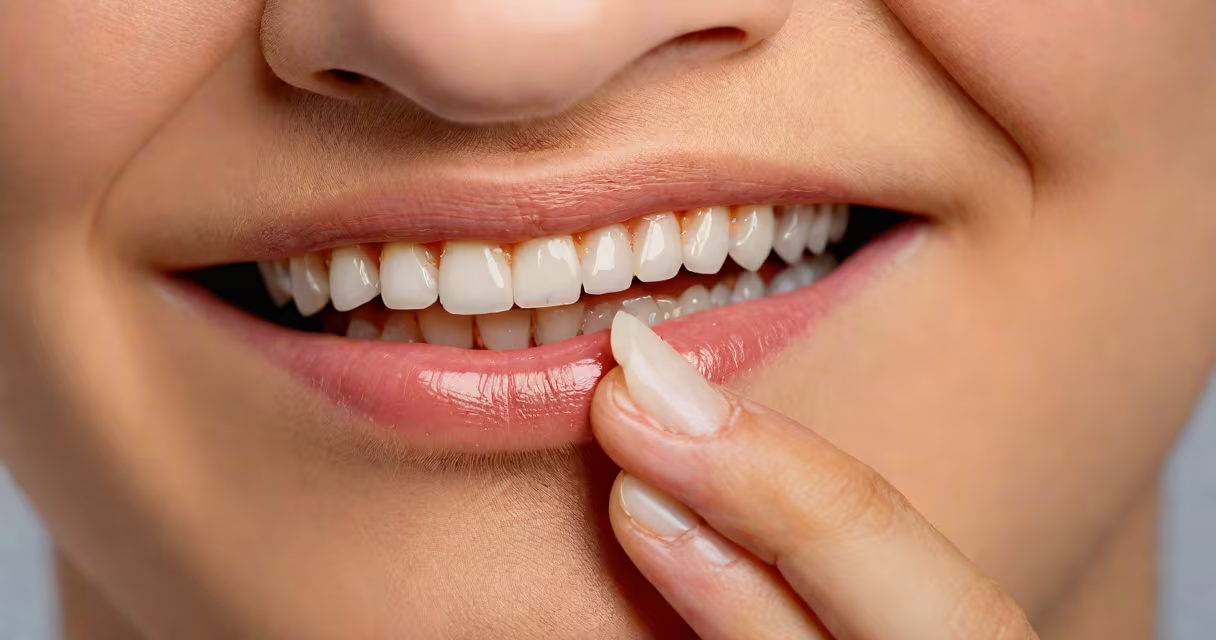
Tooth pain is a sharp, persistent ache caused by inflammation or infection in the tooth's nerve or surrounding tissues. It signals a problem needing attention-ranging from decay to gum disease or trauma-and requires prompt action to prevent worsening.
When a tooth hurts, the underlying cause often involves bacterial invasion of the enamel, exposure of the dentin layer, or pressure on the pulp. Pain may spike during eating, drinking cold or hot liquids, or even while lying down. Ignoring it risks abscess formation, bone loss, or tooth loss.
The American Dental Association (ADA) states that untreated tooth pain leads to complications in 60% of cases within six months. The Mayo Clinic notes that pain lasting more than 48 hours should be evaluated by a dentist, even if it subsides temporarily.
Pain originates when nerves inside the tooth's pulp react to stimuli. Bacteria erode enamel, exposing dentin-microscopic tubules that transmit sensations directly to the nerve. Cold, heat, pressure, or sugar can trigger sharp, shooting pain.
Swelling around the tooth, facial puffiness, or a fever indicate infection spreading beyond the tooth. These signs require urgent care. A 2022 study in the Journal of Clinical Dentistry found that 78% of patients with facial swelling had untreated dental caries or periodontal abscesses.
Some people mistake tooth pain for sinus pressure. But sinus-related pain typically affects both sides of the face and eases when bending forward. True tooth pain usually affects one tooth and worsens with chewing.
Rinse your mouth with warm salt water (1 teaspoon salt in 8 ounces of water) to reduce bacteria and soothe inflamed tissue. Swish for 30 seconds, then spit. This method lowers oral pH and disrupts biofilm buildup.
Apply a cold compress to the outside of your cheek near the painful tooth. Use ice wrapped in a cloth for 15 minutes on, 15 off. Cold reduces blood flow to the area, minimizing swelling and numbing pain.
Over-the-counter pain relievers such as ibuprofen (600 mg every 6 hours) or acetaminophen (1,000 mg every 6 hours) can manage discomfort. Ibuprofen is preferred because it reduces inflammation, not just pain. Avoid aspirin directly on the gums-it can burn tissue.
Applying clove oil directly to gums is a popular home remedy, but it can irritate sensitive tissue. The FDA warns against undiluted essential oils in the mouth. Use only 1-2 drops mixed with a carrier oil like coconut oil.
Some believe brushing hard will clean out a cavity. Aggressive brushing damages enamel and exposes dentin, increasing sensitivity. The ADA recommends soft-bristled brushes and gentle circular motions.
Another error: waiting until pain becomes unbearable. By then, damage is often irreversible. A 2021 survey by the National Institute of Dental and Craniofacial Research found that 44% of adults delayed dental visits due to fear or cost-leading to more complex treatments later.
If pain lasts longer than two days, spreads to your jaw or ear, or causes trouble opening your mouth, contact a dentist immediately. These signs suggest infection or impacted wisdom teeth.
Coughing can strain jaw muscles and trigger temporomandibular joint (TMJ) pain. Persistent coughing may lead to bruxism (teeth grinding), which wears down enamel. If you have a chronic cough and tooth pain, consult a healthcare provider to rule out systemic causes.
Not all tooth pain is the same. Understanding the pattern helps identify the root issue:
| Type | Pattern | Common Cause | Recommended Action |
|---|---|---|---|
| Sharp, sudden pain | Spikes when biting or eating cold food | Dental cavity, cracked tooth | See dentist within 48 hours |
| Dull, constant ache | Worsens at night or when lying down | Pulpitis, abscess | Seek emergency dental care |
| Burning sensation | Feels like heat or tingling | Nerve irritation, trigeminal neuralgia | Consult a neurologist or oral specialist |
One patient I treated reported a dull ache behind his lower molar that worsened at night. He'd ignored it for five days. X-rays revealed a deep cavity extending into the pulp. After a root canal, he said the pain vanished completely. Early intervention prevented extraction.
Chewing on a fresh piece of ginger can reduce inflammation. A 2019 study in *Phytotherapy Research* showed gingerols inhibit COX-2 enzymes, similar to ibuprofen. Chew a 1-inch slice for 5 minutes, then discard.
Peppermint tea bags cooled in the fridge can be placed on the affected area. The menthol provides mild numbing. Do not chew the bag-just apply it externally.
Hydrogen peroxide mouthwash (1 part 3% hydrogen peroxide to 2 parts water) kills bacteria and clears debris. Use once daily for up to 30 seconds. Do not swallow. Overuse can damage mucosal tissue.
Use a temporary filling material available at pharmacies. Products like Kool-Aid or dental wax can seal cavities temporarily. Apply a small amount to the hole using a cotton swab. This blocks food and bacteria from entering.
Keep the area clean. Floss carefully around the tooth to remove trapped particles. Avoid chewing on that side. Eat soft foods like mashed potatoes, oatmeal, or soup.
Monitor symptoms. If pain increases, swelling appears, or you develop a fever, go to an urgent care center or emergency room. Some hospitals have dental departments equipped to handle acute cases.
Remember: tooth pain is not normal. It's a warning sign. Delaying care increases risk of infection spreading to the bloodstream-a condition called sepsis, which has a mortality rate of 20% in severe cases, according to the CDC.