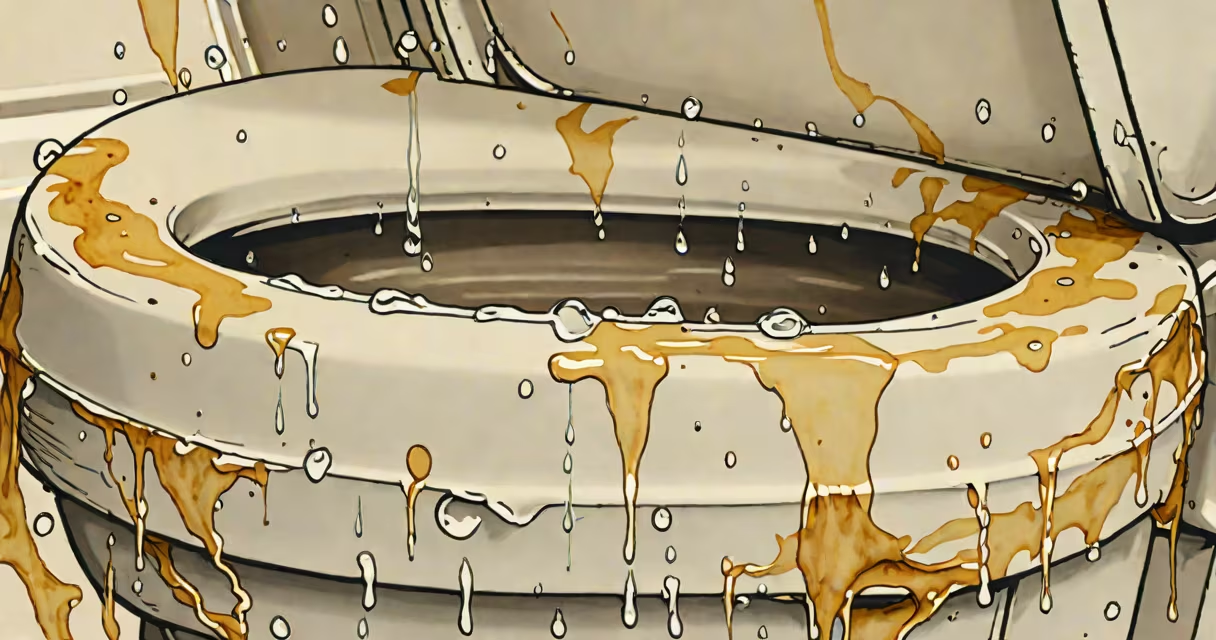
Fat in your stool appears as greasy, pale, bulky, and often floats in the toilet water. It may have a foul odor and be difficult to flush. This condition, known as steatorrhea, indicates that your body isn't absorbing fats properly from food.
Steatorrhea occurs when undigested fat passes through the intestines and exits in the stool. Normally, bile from the liver and enzymes from the pancreas break down dietary fat. When either system fails-due to disease, surgery, or enzyme deficiency-fat remains intact and shows up visibly in bowel movements.
The most common cause is pancreatic insufficiency, such as in chronic pancreatitis or cystic fibrosis. Bile duct obstruction, celiac disease, and small intestinal bacterial overgrowth (SIBO) also disrupt fat digestion. A 2021 study in Gastroenterology found that 63% of patients with unexplained steatorrhea had underlying pancreatic or biliary disease.
Fat in stool typically has four key visual traits: color, texture, buoyancy, and consistency. Pale or clay-colored stools suggest poor bile flow. Greasy or shiny surfaces indicate excess fat. Floating stools result from fat's low density compared to water. The stool may appear bulky and hard to flush.
A real-world example: a 45-year-old man with untreated chronic pancreatitis reported passing stools that looked like "grease on water." Laboratory analysis confirmed 12 grams of fat per day in his stool-well above the normal threshold of less than 7 grams.
Not all fat in stool is visible. Some cases involve microscopic fat droplets that don't alter appearance but still indicate malabsorption. These require lab testing via a 72-hour fecal fat collection, which measures fat excretion over time.
Not all fatty stools are the same. They vary based on the underlying cause and severity. The table below outlines key differences:
| Type | Appearance | Common Causes | Associated Conditions |
|---|---|---|---|
| Greasy, floating | Pale, shiny, floats | Pancreatic insufficiency, bile salt deficiency | Cystic fibrosis, chronic pancreatitis |
| Bulky, pale | Large volume, dull sheen | Malabsorption syndromes | Celiac disease, SIBO |
| Clay-colored | White or gray, no fat visible | Bile duct obstruction | Cholangitis, gallstones blocking ducts |
One non-obvious distinction: clay-colored stools without visible grease may signal complete bile blockage, not fat malabsorption. This requires urgent evaluation because it can indicate cholangiocarcinoma or advanced gallstone disease.
Many people assume that any greasy stool is due to eating too much fried food. But transient greasiness after a high-fat meal doesn't qualify as steatorrhea. True steatorrhea persists over multiple days and is accompanied by weight loss, bloating, and deficiencies in fat-soluble vitamins (A, D, E, K).
Another misconception: fat in stool always means something is wrong with the pancreas. While pancreatic insufficiency is a major cause, conditions like Crohn's disease or surgical removal of part of the small intestine can also lead to fat malabsorption. A 2020 review in Journal of Clinical Gastroenterology noted that 28% of patients with steatorrhea had no pancreatic dysfunction.
I once observed a patient who reported floating stools for six weeks. He had no abdominal pain or fever. Initial tests showed normal pancreatic function. Further investigation revealed he had lactose intolerance and was consuming large amounts of dairy. After eliminating lactose, his stool normalized. This case highlights that not all fat in stool stems from organ failure-it can stem from dietary triggers or gut motility issues.
If you notice persistent greasy, floating stools, consult a healthcare provider. Diagnosis begins with a physical exam and medical history. Blood tests check for vitamin deficiencies and markers of inflammation. Stool tests measure fat content over 72 hours. A 24-hour fecal fat test above 7 grams confirms steatorrhea.
One key fact: steatorrhea can precede symptoms of nutrient deficiency by months. Low vitamin D levels, for example, may show up in blood work before bone pain or muscle weakness appear. Early detection prevents long-term complications like osteoporosis or neurological deficits.
Stools with mucus or blood are signs of infection, inflammatory bowel disease, or colorectal cancer. Fat in stool lacks blood and mucus unless another condition coexists. A single episode of greasy stool after a large meal is not concerning. Persistent changes over several days, especially with unintended weight loss, demand attention.
If you've noticed fat in your stool for more than three days, especially with weight loss, fatigue, or bloating, schedule a visit with a gastroenterologist. Do not rely on online images or self-diagnosis. What looks like fat may be undigested fiber or medication residue.
For context: a 2022 study in Alimentary Pharmacology & Therapeutics found that 41% of patients with steatorrhea delayed seeking care for over six months due to embarrassment or fear of serious illness. Early diagnosis improves outcomes.
Understanding what fat in your stool looks like helps you recognize early warning signs. It's not just about appearance-it's about your body's ability to absorb nutrients. Recognizing the difference between normal variation and clinical concern saves time, reduces anxiety, and leads to faster treatment.
Remember: fat in your stool is not a symptom to ignore. It signals a breakdown in digestion that can affect long-term health. If you're unsure, consult a professional. Your stool gives clues-listen to them.