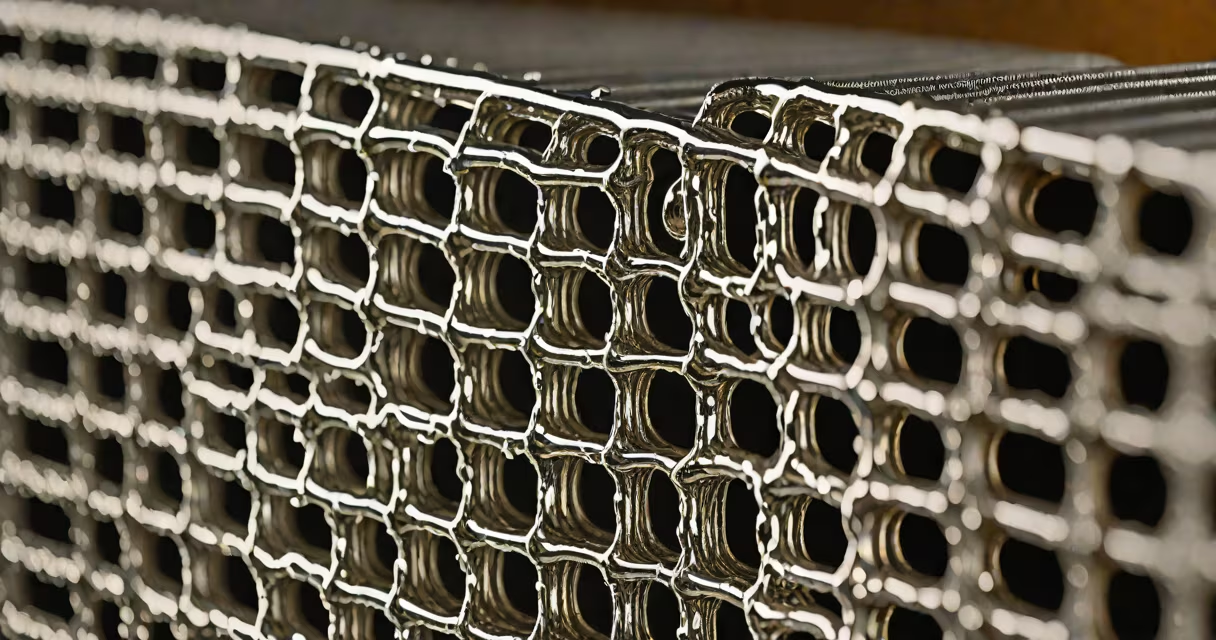
The evaporator coil in an AC is a network of copper tubes and aluminum fins located inside the indoor unit that absorbs heat from indoor air using cold refrigerant. This process cools the air before it circulates through your home. The coil operates under low pressure and relies on precise temperature control to maintain efficient cooling.
When warm indoor air passes over the cold evaporator coil, the refrigerant inside the coil absorbs heat and changes from liquid to gas. This phase change draws thermal energy from the air, lowering its temperature. The cooled air then moves through ductwork to regulate room temperature. The heated refrigerant travels to the compressor, where it's pressurized and sent to the outdoor condenser coil to release heat outdoors.
According to the U.S. Department of Energy, the evaporator coil is central to the refrigeration cycle in residential HVAC systems. It functions at temperatures between 35°F and 45°F (1.7°C to 7.2°C), which causes moisture in the air to condense on the coil surface. This dehumidifies the air, improving comfort levels beyond just cooling.
The evaporator coil runs on a closed-loop refrigerant system. When the thermostat signals the need for cooling, the expansion valve meters refrigerant into the coil. The refrigerant enters as a high-pressure liquid and rapidly expands into a low-pressure gas as it flows through narrow tubing. This expansion creates a significant drop in temperature, drawing heat from the surrounding air.
As air from the home passes over the coil's finned surface, heat transfers from the air to the refrigerant. The coil's design maximizes surface area-fins increase contact between air and metal, accelerating heat absorption. After absorbing heat, the refrigerant becomes a vapor and exits the coil toward the compressor.
A common mistake is assuming the coil itself gets cold. In reality, the refrigerant inside the coil drops below freezing, causing condensation to form on the outer surface. This condensation drains away via a pan and drain line. If the coil freezes, it indicates a problem such as restricted airflow or low refrigerant.
Evaporator coils come in different configurations based on the HVAC system type. Most residential units use a direct expansion (DX) coil, where refrigerant flows directly through copper tubing. These coils are typically arranged in a serpentine pattern to maximize heat exchange efficiency.
| Type | Use Case | Efficiency Range | Common in |
|---|---|---|---|
| Direct Expansion (DX) | Standard split-system ACs | 13-16 SEER | Most homes |
| Chilled Water | Commercial buildings | 18-22 SEER equivalent | Larger facilities |
| Forced Air with Ducted Units | Central AC systems | 14-18 SEER | Split systems with indoor blower |
Coil materials matter. Copper tubing resists corrosion and conducts heat efficiently. Aluminum fins are lightweight and improve heat transfer. Over time, dirt buildup on fins reduces airflow and lowers efficiency. A study by ASHRAE found that dirty coils reduce cooling capacity by up to 25% over a single season.
The evaporator coil is essential for maintaining indoor comfort and humidity control. Without it, air conditioners cannot remove heat effectively. It enables consistent cooling and prevents excessive dryness or dampness in indoor environments.
Common problems include frozen coils, refrigerant leaks, and clogged drain lines. A frozen coil often results from poor airflow due to a dirty air filter or blocked return duct. When airflow slows, the coil temperature drops below freezing, turning condensed moisture into ice. This blocks airflow further and reduces cooling performance.
I once replaced a frozen evaporator coil in a 20-year-old system during a summer heatwave. The homeowner reported that the AC blew warm air after running for 30 minutes. Upon inspection, the coil was encased in ice. The root cause was a neglected furnace filter that had been clogged for months. Cleaning the filter and defrosting the coil restored cooling within two hours. This case shows how small maintenance tasks prevent major failures.
People often mistake the evaporator coil for the condenser coil. The evaporator coil is indoors, near the furnace or air handler. The condenser coil is outdoors, attached to the compressor. They serve opposite roles: the evaporator absorbs heat indoors, while the condenser releases it outdoors.
Another misconception is that the coil produces cold air. It doesn't. The coil cools the refrigerant, which then cools the air passing over it. The actual cold air comes from the blower fan pushing air across the cooled coil surface.
Some homeowners believe cleaning the coil themselves is safe. This is incorrect. Refrigerant lines carry high-pressure fluid. Attempting to clean or access the coil without proper training risks releasing refrigerant, violating EPA regulations. The EPA requires certified technicians to handle refrigerants. DIY attempts can lead to environmental harm and system damage.
Regular maintenance keeps the evaporator coil functioning at peak efficiency. Clean the air filter monthly during cooling season. Replace filters every 30-90 days depending on usage and pet presence. Check the drain line annually to prevent clogs that cause water overflow.
If your AC isn't cooling properly, the issue may lie with the evaporator coil. Signs include weak airflow, rising indoor humidity, or frost on the indoor unit. According to the National Comfort Institute, 40% of cooling complaints stem from airflow issues linked to coil performance.
When troubleshooting, start with the basics: verify thermostat settings, check power supply, inspect the air filter, and ensure vents are unobstructed. If problems persist, contact a licensed HVAC technician. They'll test refrigerant charge, inspect for leaks, and assess coil cleanliness using specialized tools.
Understanding the evaporator coil in AC clarifies how cooling systems maintain indoor comfort. It's not a standalone part-it's a core element of a balanced refrigeration cycle. Proper care ensures consistent performance, lower energy bills, and longer equipment life.