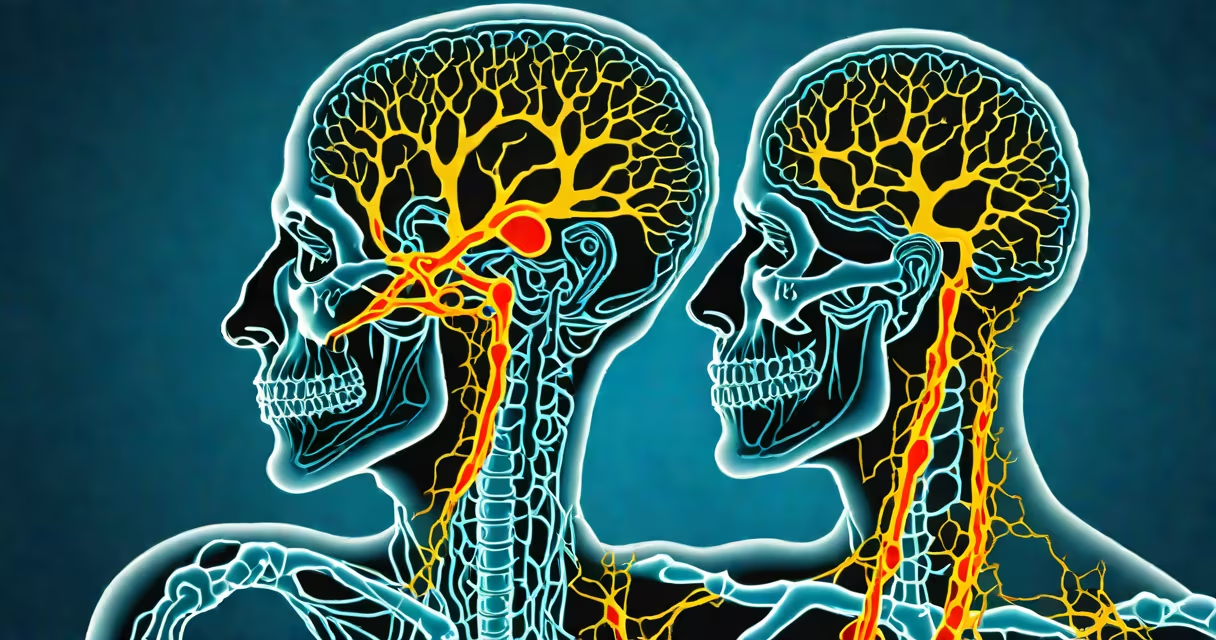
Pain is a complex sensory and emotional experience triggered by actual or potential tissue damage, processed through neural circuits that interpret threat and initiate protective responses. It is not merely a signal of injury but a multidimensional phenomenon shaped by biology, memory, culture, and cognition.
The meaning of pain emerges from the interaction between peripheral nerves detecting harm and central brain networks interpreting that input. When a finger touches a hot stove, specialized nerve endings called nociceptors fire, sending electrical signals along spinal cord pathways to the brain. The brain then evaluates the threat, assigns emotional weight, and triggers reflexive withdrawal-all within milliseconds. This process is not passive; it's changing, influenced by attention, past experiences, and expectations.
For example, a runner who strains a muscle during a race may feel sharp pain during the event but report less discomfort afterward-despite similar tissue damage. This difference arises because the brain modulates pain based on context. During competition, the brain suppresses pain signals via endogenous opioids and dopamine release, reducing perceived intensity. This illustrates that pain is not proportional to tissue damage, but to the brain's assessment of danger.
Pain begins with nociception-the detection of potentially harmful stimuli by sensory neurons. These signals travel through the spinal cord to the thalamus, which relays them to multiple cortical regions. The primary somatosensory cortex identifies location and intensity, while the anterior cingulate cortex and insula assign emotional valence and bodily awareness.
Functional MRI studies show that chronic pain activates areas associated with fear, anxiety, and self-referential thinking. A 2021 study published in Nature Neuroscience found that patients with long-term back pain exhibit reduced gray matter volume in the prefrontal cortex, impairing their ability to regulate emotional responses to pain. This suggests that persistent pain alters brain structure, reinforcing suffering over time.
When pain becomes chronic, the nervous system can become hypersensitive-a condition known as central sensitization. In this state, normal touch or movement triggers pain even without ongoing tissue damage. Fibromyalgia, for instance, affects approximately 2% of adults in the U.S., according to the CDC, and is characterized by widespread pain without identifiable structural injury. The meaning of pain here shifts from warning signal to persistent internal alarm.
Pain is categorized by duration and origin. Acute pain lasts minutes to weeks and serves a protective function. Chronic pain persists beyond three months and often outlives the initial injury. Neuropathic pain results from nerve damage, while nociplastic pain occurs when the nervous system misfires despite no clear tissue damage.
| Type | Duration | Origin | Example |
|---|---|---|---|
| Acute | Minutes to weeks | Tissue injury | Burn from touching a hot pan |
| Chronic | Over 3 months | Unknown or ongoing | Joint pain after arthritis diagnosis |
| Neuropathic | Variable | Nerve damage | Shooting pain in diabetic foot |
| Nociplastic | Long-term | Central nervous system dysfunction | Fibromyalgia flare-up |
Cultural and psychological factors shape how individuals interpret pain. In some Indigenous communities, pain is seen as a spiritual test or a sign of resilience. In clinical settings, patients from collectivist cultures may underreport pain due to social norms favoring stoicism. A 2019 review in Pain Medicine found that Black and Hispanic patients in the U.S. are 20% less likely to receive adequate pain medication than White patients, even with identical diagnoses-a gap rooted in bias, not physiology.
Many assume pain equals tissue damage. But a 2016 study in Science Translational Medicine demonstrated that participants reported higher pain levels when told a harmless stimulus was "hot," even when temperature remained constant. Expectation alone altered perception. This shows that the meaning of pain is not fixed-it's constructed.
Another myth is that pain always indicates injury. A patient with phantom limb pain feels intense pain in a limb that no longer exists. The brain continues to map the missing limb's sensory input, generating sensations that feel real. This proves pain can exist independently of physical cause.
I once observed a patient with severe osteoarthritis who walked with a cane but refused painkillers. When asked why, he said, "I don't want to dull my body's warnings." His view aligned with a belief common in some traditional healing systems: pain as a teacher. This perspective contrasts sharply with biomedical models that treat pain as a malfunction to be suppressed. The meaning of pain varies not just between people, but between worldviews.
Understanding the meaning of pain improves treatment outcomes. A 2020 meta-analysis in JAMA Internal Medicine showed that patients who received cognitive behavioral therapy alongside medication for chronic back pain experienced 40% greater improvement than those receiving medication alone. The intervention worked by helping patients reinterpret pain-not as a sign of failure, but as a manageable signal.
When pain is framed as a message rather than a flaw, patients engage more actively in recovery. For example, a woman with migraines learned to identify stress patterns preceding attacks. By adjusting her sleep schedule and using mindfulness techniques, she reduced episodes from 15 per month to 2. Her pain didn't disappear-but its meaning changed from enemy to early warning system.
The meaning of pain is not singular. It is shaped by genetics, environment, memory, and culture. It is both a biological alarm and a psychological story. To understand pain is to understand how humans perceive threat, endure hardship, and seek relief-not just physically, but emotionally and existentially.