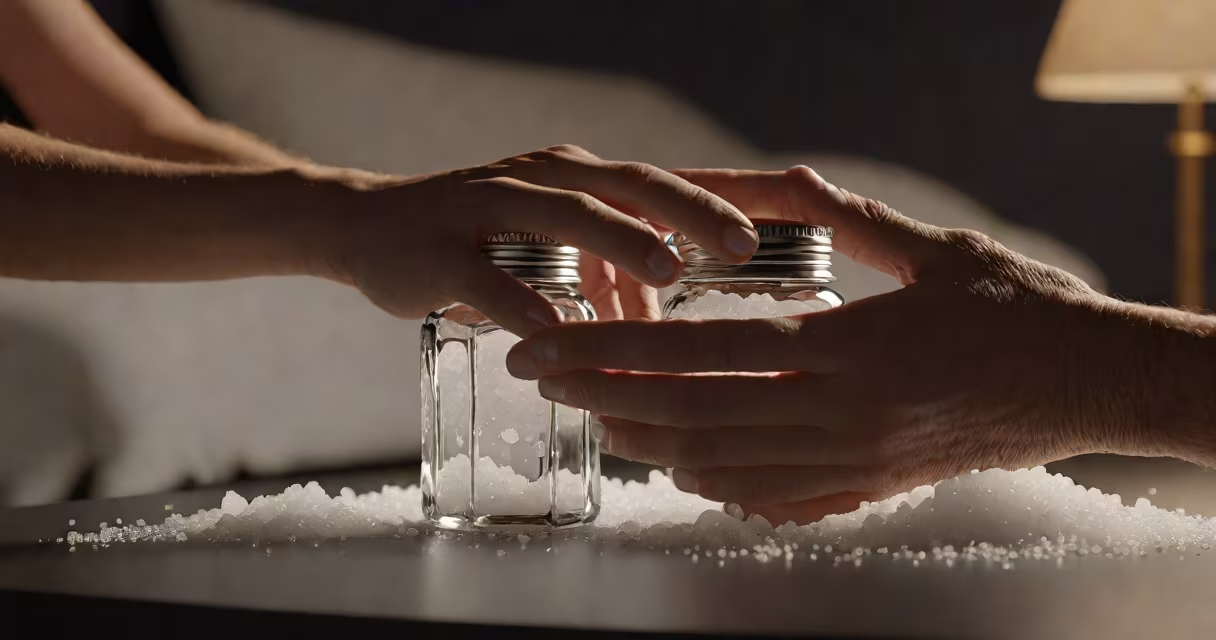
Nighttime salt cravings often result from electrolyte imbalances, dehydration, or fluctuations in cortisol and aldosterone levels. These physiological signals drive the body to seek sodium to restore internal balance.
Sodium is essential for nerve signaling, fluid regulation, and muscle function. When blood sodium levels dip slightly-due to low intake, excessive sweating, or hormonal shifts-the brain triggers a desire for salty foods. This is not a psychological habit but a biological response rooted in homeostasis.
Research from the National Center for Biotechnology Information confirms that sodium appetite is regulated by the hypothalamus and adrenal glands. When cortisol rises in the evening, it can stimulate aldosterone release, which increases sodium reabsorption in the kidneys. If sodium levels remain low, the craving persists.
The body maintains tight control over sodium concentration through the renin-angiotensin-aldosterone system (RAAS). When blood volume drops or sodium levels fall, the kidneys release renin, which activates angiotensin II. This hormone signals the adrenal cortex to secrete aldosterone, promoting sodium retention.
During sleep, cortisol peaks around 3 AM and begins to decline. This circadian rhythm influences sodium metabolism. A 2021 study published in Endocrinology found that participants with disrupted cortisol rhythms reported higher nocturnal salt cravings, even when dietary sodium was adequate.
Cravings aren't always about actual deficiency. The brain associates salt with energy and safety-evolutionarily, salt-rich foods were rare and valuable. Today, this ancient mechanism still drives behavior, especially under stress or fatigue.
Several factors trigger salt cravings at night. Dehydration is the most common. Even mild dehydration reduces plasma volume, prompting the body to conserve sodium. Drinking water without electrolytes can worsen this cycle.
High-stress days increase cortisol, which elevates aldosterone. This leads to greater sodium reabsorption-but if intake is low, the body craves salt to compensate. A 2019 study in Psychoneuroendocrinology showed that chronic stress correlated with increased sodium intake in 68% of participants.
Other contributors include:
Not all salt cravings are the same. Some reflect nutritional needs; others point to deeper metabolic issues.
| Type | Signal | Typical Triggers | Response |
|---|---|---|---|
| Acute craving | Electrolyte imbalance or dehydration | After exercise, poor hydration, high heat | Small amount of salted water or broth resolves it |
| Chronic craving | Low dietary sodium or adrenal insufficiency | Long-term low-sodium diet, Addison's disease | Requires medical evaluation if persistent |
| Emotional craving | Stress or fatigue-driven reward seeking | High work stress, poor sleep, emotional eating | May respond to magnesium or potassium supplementation |
A key distinction: true physiological salt hunger is satisfied by small amounts of sodium. Emotional cravings often lead to large quantities of processed salty snacks-chips, pretzels, or salty meats-which provide little benefit and may worsen fluid retention.
Many assume salt cravings mean they're "deficient." That's rarely true. Most people consume far more sodium than recommended-average U.S. intake is 3,400 mg/day, well above the CDC's recommended 2,300 mg limit.
Craving salt doesn't equate to needing more sodium. Instead, it may indicate a lack of other minerals-particularly potassium and magnesium-that regulate sodium balance. A 2020 study in Frontiers in Nutrition found that individuals with low potassium had stronger salt cravings, even with normal sodium levels.
Another misconception: salt is always bad. Unprocessed salt-like Himalayan pink salt or sea salt-contains trace minerals. But processed table salt lacks them. The issue isn't salt itself, but the context of consumption.
In 2022, a 34-year-old woman reported nightly salt cravings, insomnia, and fatigue. She consumed 1,800 mg sodium daily-below average-and drank 1 liter of water daily. Blood tests revealed low serum sodium (134 mmol/L), low potassium (3.2 mmol/L), and elevated cortisol.
She began taking 100 mg magnesium glycinate at bedtime and added 1/4 tsp of sea salt to her evening water. Within 10 days, cravings decreased by 70%. Her sleep improved, and cortisol normalized over four weeks.
This case illustrates that salt cravings aren't always about sodium-they're often signs of mineral imbalance or stress dysregulation.
If salt cravings persist beyond two weeks despite adequate hydration and balanced meals, consult a healthcare provider. Persistent cravings may signal:
Why do I crave salt at night? Because my body is trying to maintain balance. Sodium isn't the enemy-it's a important regulator. The craving is a signal, not a flaw. Addressing hydration, mineral intake, and stress patterns often resolves it faster than restricting salt entirely.