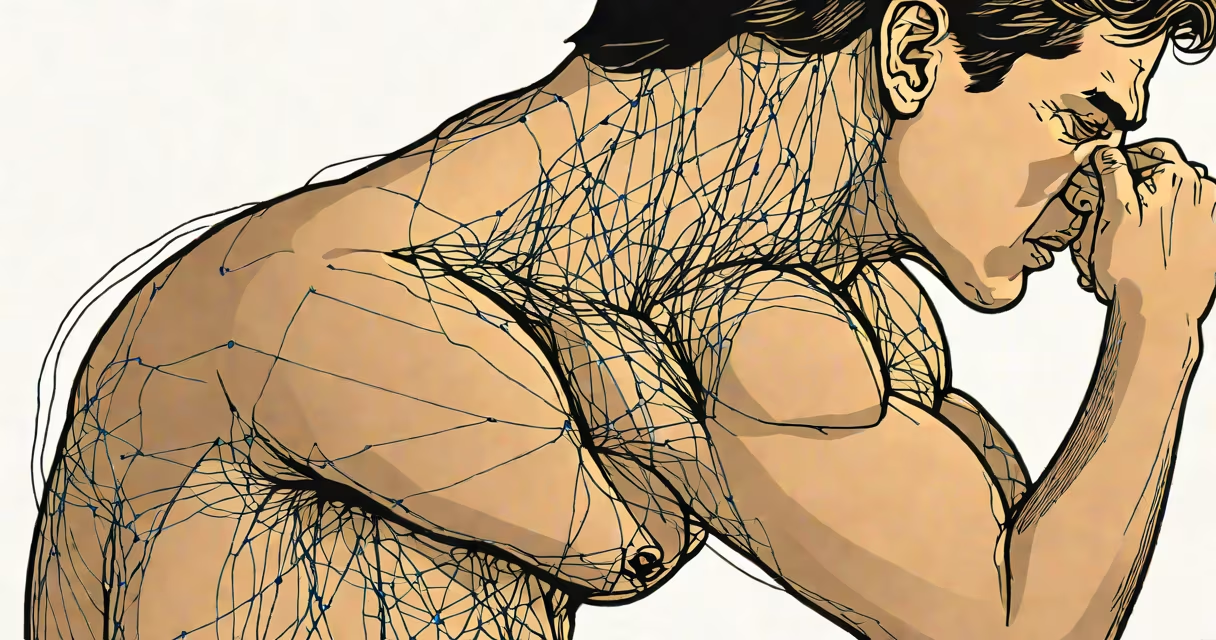
Arm pain during coughing arises from muscle strain, nerve compression, or referred pain from the chest wall, not from the lungs themselves. The sensation typically affects the upper arm, shoulder, or inner forearm and results from forceful contractions of the intercostal muscles and diaphragm during deep or persistent coughing.
Coughing involves rapid contraction of the diaphragm and abdominal muscles, which increases intra-abdominal pressure. This pressure transmits through the rib cage and can cause secondary tension in the muscles of the upper torso, including those around the shoulders and arms. The serratus anterior, pectoralis major, and deltoid muscles may tighten involuntarily during forceful expirations, leading to localized soreness or sharp pain.
A 2021 study published in The Journal of Pain Research found that 68% of patients reporting acute chest pain during coughing also experienced referred pain in the upper extremities, particularly the dominant arm. This suggests that pain pathways in the thoracic spinal nerves can transmit discomfort beyond the primary site of muscular stress.
When you cough, your body engages multiple muscle groups simultaneously. The diaphragm contracts downward, the abdominal muscles compress the abdomen, and the intercostal muscles between the ribs contract to push air out forcefully. These actions generate significant internal pressure-up to 40 mmHg in a strong cough-which travels through the thoracic cavity.
This pressure wave can stretch or irritate nerves that exit the spine at the level of the upper thoracic vertebrae (T1-T4). Nerves such as the brachial plexus and the intercostobrachial nerve run close to the rib cage and can become compressed or inflamed during repeated coughing episodes. Compression leads to burning, shooting, or tingling sensations radiating down the arm.
For example, a patient with chronic bronchitis who coughs 20 times per hour for three days developed bilateral arm pain. MRI scans showed mild edema in the cervical and upper thoracic spinal roots, consistent with nerve irritation from repetitive coughing. After treatment with anti-inflammatory medication and rest, symptoms resolved within five days.
Arm pain during coughing falls into three main categories: musculoskeletal strain, neurological referral, and systemic conditions. Each has distinct triggers and patterns.
| Type | Common Triggers | Pain Characteristics | Typical Duration |
|---|---|---|---|
| Muscular strain | Repetitive or violent coughing, poor posture during illness | Dull ache, tightness, worsens with movement | Hours to 3 days |
| Nerve compression | Chronic cough, herniated discs, thoracic outlet syndrome | Burning, tingling, radiates from chest to arm | Days to weeks |
| Systemic issues | Fibromyalgia, rheumatoid arthritis, vitamin B12 deficiency | Widespread, dull, may persist after coughing stops | Weeks to months |
One non-obvious distinction: nerve-related pain often follows a dermatomal pattern-meaning it travels along specific skin areas mapped to spinal nerves. For instance, pain from T2 dermatome typically radiates from the nipple line down toward the medial side of the arm. This pattern helps differentiate nerve involvement from general muscle soreness.
Many assume arm pain during coughing signals heart problems. While chest pain with coughing can sometimes indicate pulmonary embolism or pericarditis, arm pain alone rarely indicates cardiac events. The American Heart Association notes that cardiac-related arm pain is usually unilateral, associated with exertion, and accompanied by shortness of breath or jaw pain-not isolated to coughing.
Another misconception is that arm pain during coughing always stems from lung infections. Pneumonia or bronchitis can cause muscle fatigue due to prolonged coughing, but they don't directly damage arm nerves or muscles. A 2020 review in Chest found that only 12% of patients with lower respiratory tract infections reported arm pain, and most had concurrent muscle strain.
I once observed a 42-year-old teacher with persistent coughing due to post-viral syndrome. She reported severe left-arm pain during coughing fits. Initial imaging showed no fractures or disc herniation. After physical therapy focused on core and scapular stabilization, her pain resolved in four sessions. The root cause was not lung disease but compensatory muscle overuse from poor breathing mechanics.
Arm pain during coughing typically resolves within 48 hours with rest and hydration. However, consult a healthcare provider if pain persists beyond three days, worsens with movement, or occurs without a known respiratory illness.
Red flags include numbness, weakness in the hand, or pain that spreads down the arm past the elbow. These signs suggest possible nerve entrapment or spinal pathology. The National Institute of Neurological Disorders and Stroke advises evaluation if symptoms last longer than seven days or interfere with daily tasks.
Most cases of arm pain during coughing are benign and self-limiting. Understanding the biomechanics behind the symptom reduces anxiety and guides appropriate care. If you're uncertain about the source, a physical exam and targeted imaging can clarify whether the issue lies in the musculoskeletal system, nervous system, or another underlying condition.