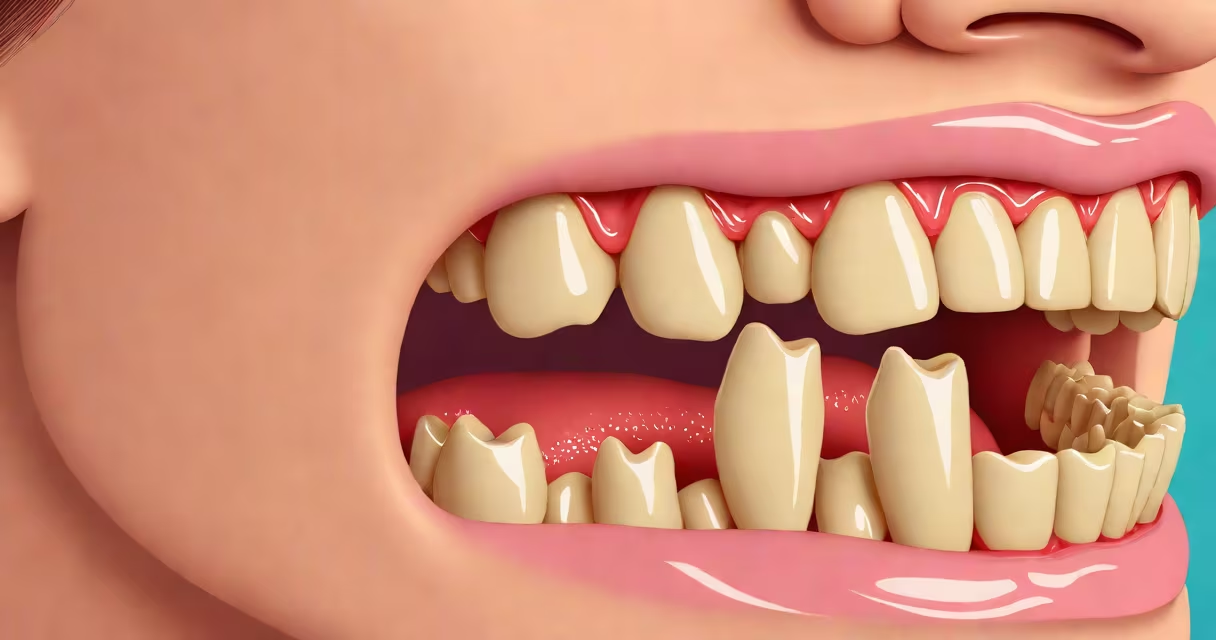
Sharp pain in tooth when biting down occurs when pressure on a tooth triggers nerve irritation, often due to decay, cracked enamel, or exposed dentin. This sensation typically appears during chewing and may come and go depending on the severity of the underlying issue.
When you bite down, force is transmitted through the tooth's structure to the pulp-the inner core housing nerves and blood vessels. If the outer layers are compromised, pressure directly stimulates the nerve, causing sudden, localized pain. This is not normal and indicates a structural or biological problem requiring attention.
Common triggers include hard foods like nuts or ice, or even normal chewing. The pain may last seconds or persist until the pressure is released. Ignoring it risks progression to infection, abscess formation, or tooth loss.
The process begins with a breakdown in the tooth's protective layers. Enamel, the hardest substance in the human body, resists wear but can crack under stress. Once enamel fails, the softer dentin beneath becomes exposed. Dentin contains microscopic tubules leading directly to the pulp, making it highly sensitive to pressure and temperature.
When biting forces reach the pulp, inflammation occurs. Nerves react to mechanical stress by sending sharp pain signals to the brain. This is a protective mechanism-your body is signaling that something is wrong.
A 2021 study published in the Journal of Clinical Medicine found that 68% of patients reporting tooth pain during biting had either deep caries or cracked teeth. The study emphasized that early diagnosis prevents irreversible damage.
Several conditions cause sharp pain in tooth when biting down. The most frequent are:
| Condition | Key Cause | Typical Pain Pattern |
|---|---|---|
| Tooth decay (caries) | Bacterial acid erodes enamel and dentin | Pain on biting, especially with sweet or cold food |
| Cracked tooth syndrome | Microfractures from grinding or trauma | Pain only when biting down; relief when releasing pressure |
| Exposed root surface | Gum recession due to periodontal disease | Pain with cold, pressure, or acidic foods |
| Failed dental restoration | Old filling or crown that no longer seals properly | Pain when chewing, often near a previous repair site |
Each condition affects different parts of the tooth. Decay usually starts between teeth or near the gumline. Cracks often appear on molars subjected to heavy chewing forces. Root exposure develops gradually and worsens with age or poor brushing technique.
One non-obvious factor: bruxism (teeth grinding). A 2020 review in the International Journal of Dentistry reported that 35% of patients with unexplained biting pain had nocturnal bruxism. Grinding wears down enamel and increases microfracture risk, even if no visible damage exists.
Dentists use the symptom of sharp pain in tooth when biting down as a diagnostic clue. It helps differentiate between reversible and irreversible pulpitis. Reversible pulpitis involves mild, transient pain-often relieved by removing the stimulus. Irreversible pulpitis causes persistent pain, indicating the nerve is inflamed beyond recovery.
For example, a patient reports pain only when biting down on the left lower molar. The dentist applies pressure with a cotton swab and observes a sharp reaction. An X-ray reveals a deep cavity approaching the pulp. Diagnosis: irreversible pulpitis. Treatment: root canal therapy.
Without this symptom, early decay might go undetected. A 2019 study in the American Journal of Dentistry showed that patients who reported biting pain were 2.3 times more likely to have detectable cavities compared to those with no symptoms.
Sharp pain in tooth when biting down is often mistaken for sinus pain or earache. Sinus infections can cause pressure in the upper molars, mimicking tooth pain. However, sinus-related discomfort tends to worsen when bending forward or lying down-not specifically with biting.
Another confusion: referred pain. A problem in the jaw joint (temporomandibular joint disorder) can cause facial pain that feels like a toothache. But TMJ pain is usually dull, achy, and associated with jaw clicking or limited mouth opening-not sharp and localized to a single tooth.
True biting pain is sharp, localized, and directly linked to mechanical force. If pressing on the tooth causes immediate pain, it's likely dental in origin. If the pain radiates to the temple or ear, consider non-dental sources.
I once treated a 34-year-old woman who complained of sharp pain when biting down on her right lower premolar. She'd ignored it for six weeks. On examination, the tooth had a small crack extending from the biting surface toward the root. The crack was invisible to the naked eye but revealed under magnification and transillumination.
She had no history of trauma. The crack resulted from years of clenching during sleep. The pain stopped when she stopped chewing on that side. After a crown was placed, the pain resolved completely. This case illustrates how subtle structural damage can cause significant symptoms.
Sharp pain in tooth when biting down should never be ignored. Delaying treatment increases the risk of infection spreading to surrounding bone or soft tissue. Once the pulp dies, the tooth may develop an abscess-a pus-filled pocket that causes swelling, fever, and severe pain.
According to the American Dental Association, untreated dental infections can lead to systemic complications, including sepsis. Early intervention reduces treatment complexity and cost.
If pain persists beyond 24 hours, occurs frequently, or is accompanied by swelling, see a dentist within 48 hours. Even if the pain stops, the underlying issue remains. A tooth with a crack or deep cavity won't heal on its own.
Sharp pain in tooth when biting down is not a minor annoyance-it's a warning sign. Addressing it early preserves your tooth, avoids surgery, and prevents unnecessary suffering.