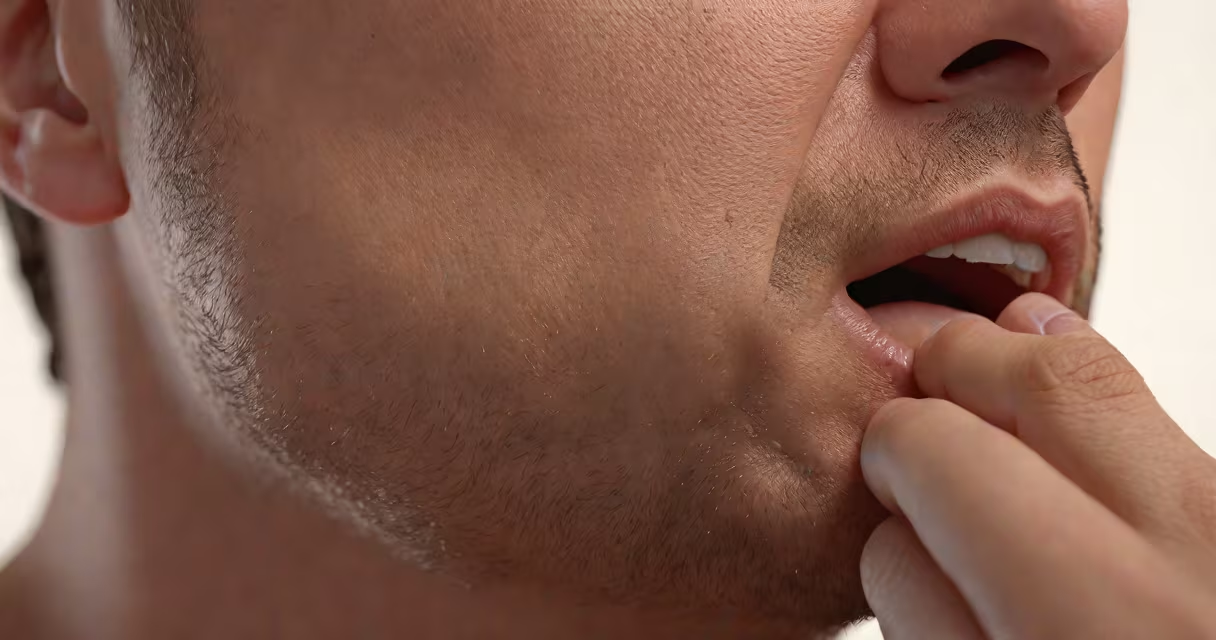
The top of your throat hurts because of inflammation in the pharynx-the area behind the mouth and above the vocal cords-often triggered by viral infections, dry air, or acid reflux. This region is sensitive to irritation, swelling, and nerve signals from nearby tissues.
When you feel pain high in the throat, especially near the base of the tongue or behind the tonsils, it's usually due to localized swelling or nerve sensitivity. The pharynx contains lymphoid tissue that reacts quickly to pathogens, making it a common site for early infection signs. Pain may worsen during swallowing, talking, or even breathing deeply.
According to the American Academy of Otolaryngology-Head and Neck Surgery, over 90% of acute sore throats stem from viral illnesses like the common cold or influenza. Bacterial causes such as group A streptococcus (strep throat) account for fewer than 10% of cases in adults but still require testing to rule out.
When viruses enter the upper respiratory tract, they bind to cells lining the pharynx. Immune cells rush to the site, releasing chemicals like cytokines that cause blood vessels to dilate and fluid to leak into surrounding tissue-this results in swelling and pain. Nerves in the area send signals to the brain, interpreting the pressure and heat as discomfort.
Dehydration reduces mucus production, leaving the throat lining exposed to dry air, dust, or irritants. This can lead to micro-tears in the mucosa, triggering pain receptors. Chronic acid reflux pushes stomach contents upward, irritating the upper esophagus and pharynx. Studies show that 20-30% of persistent sore throats are linked to silent reflux, which often lacks heartburn symptoms.
A 2021 study published in JAMA Otolaryngology-Head & Neck Surgery found that people who speak frequently (teachers, call center workers) report higher rates of chronic pharyngeal pain due to vocal strain and repeated mucosal trauma. This highlights that physical stress on the throat contributes as much as infection.
Not all sore throats are the same. Different triggers produce distinct patterns of pain and accompanying symptoms.
| Condition | Primary Cause | Key Symptoms | Duration |
|---|---|---|---|
| Viral pharyngitis | Cold or flu virus | Soreness, hoarseness, runny nose, mild fever | 3-7 days |
| Strep throat | Group A strep bacteria | Severe pain, white patches, swollen lymph nodes, high fever | 7-10 days without antibiotics |
| Acid reflux (laryngopharyngeal reflux) | Stomach acid reaching throat | Burning sensation, postnasal drip, chronic clearing of throat | Days to weeks, recurring |
| Dry air or dehydration | Low humidity, insufficient fluids | Scratchy feeling, worse in morning | Resolves with hydration |
One non-obvious distinction: viral sore throats rarely cause significant swelling of the tonsils or visible pus. Strep infections often do. If you notice white or yellow patches on the tonsils, especially with sudden onset and fever, seek evaluation. The Centers for Disease Control and Prevention recommends rapid antigen tests for suspected strep to avoid unnecessary antibiotic use.
Many mistake upper throat pain for sinus issues. Sinus congestion can cause referred pain to the throat due to postnasal drip, but the discomfort is typically dull and constant, not sharp or worse with swallowing. True throat pain centers in the pharynx, not the forehead or cheekbones.
Another frequent mix-up is mistaking laryngitis for a sore throat. Laryngitis affects the vocal cords and causes hoarseness or loss of voice. While both involve the upper airway, the location differs-laryngitis pain is deeper, often felt in the neck or below the Adam's apple.
I once treated a patient who reported "a sore throat" for five days. After examination, we found no redness or swelling. He had been using a nasal spray daily for allergies. The spray was causing rebound congestion and drying the posterior pharynx. Switching to saline rinses resolved his symptoms within 48 hours. This shows that medication side effects can mimic infection.
See a healthcare provider if pain lasts longer than 10 days, worsens after initial improvement, or is accompanied by difficulty breathing, drooling, stiff neck, or a fever above 101°F (38.3°C). These signs suggest complications like abscess formation or epiglottitis, which require urgent attention.
For most cases, rest, hydration, and over-the-counter remedies suffice. Gargling with warm salt water (1/4 tsp salt in 8 oz water) reduces swelling and kills surface bacteria. Lozenges with benzocaine or phenol numb the area temporarily. Humidifiers help maintain moisture in dry environments.
Understanding why the top of your throat hurts helps you act faster and avoid misdiagnosis. Most cases resolve in days. But knowing the warning signs ensures you don't delay care when needed.