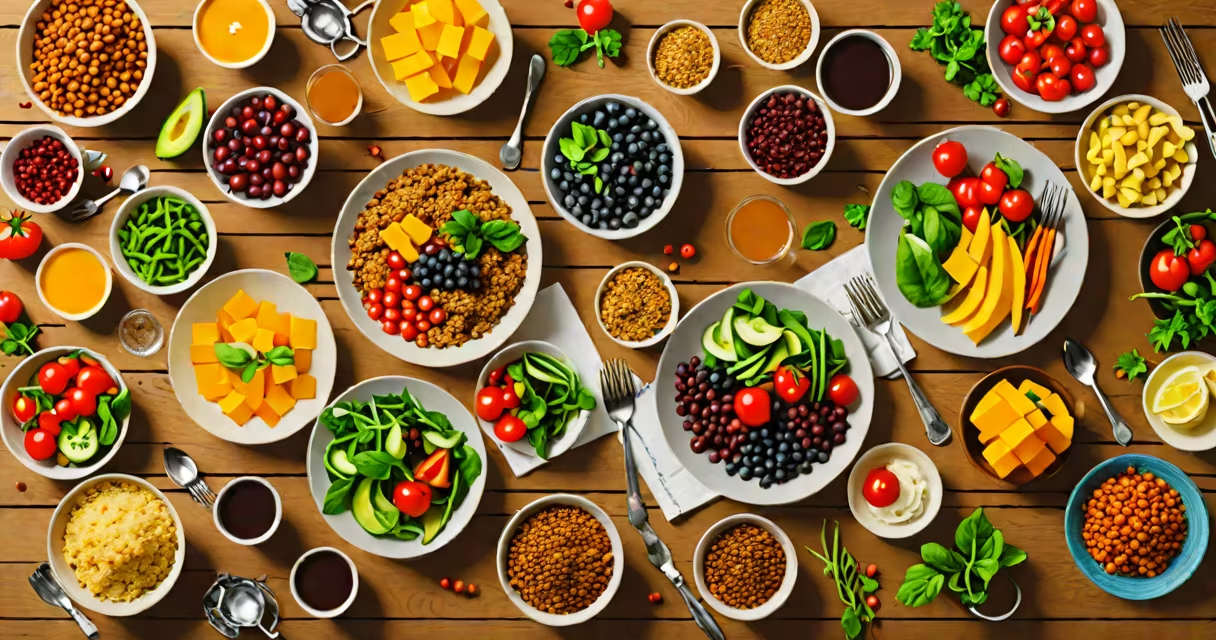
A 1500 calorie vegan meal plan is a daily eating structure that provides approximately 1,500 calories from whole, plant-based foods without animal products. It emphasizes fruits, vegetables, legumes, whole grains, nuts, and seeds to meet nutritional needs while supporting weight maintenance or gradual fat loss.
This plan aims to deliver consistent energy, fiber, vitamins, and minerals without relying on meat, dairy, eggs, or fish. It aligns with dietary guidelines from the Academy of Nutrition and Dietetics, which states that well-planned vegan diets are appropriate for all life stages, including pregnancy and athletic performance.
For context, the average adult woman needs about 1,600-2,400 calories per day depending on activity level. A 1500-calorie vegan meal plan sits near the lower end of typical intake, making it suitable for individuals aiming to lose 0.5-1 pound per week or maintain stable weight.
The plan functions by balancing macronutrients-carbohydrates, fats, and proteins-across three main meals and two snacks. Carbohydrates come primarily from complex sources like oats, brown rice, sweet potatoes, and beans. Fats derive from avocados, nuts, seeds, and olive oil. Protein is sourced from lentils, chickpeas, tofu, tempeh, and edamame.
Each day's food is portioned to stay within 1,500 calories while meeting recommended daily intakes for key nutrients. The USDA recommends 2.5 cups of vegetables, 2 cups of fruit, 6 ounces of grains, and 2.5 cups of legumes per day for a 1,500-calorie diet. A vegan version meets these targets through plant-only options.
For example, a sample day includes: ½ cup cooked quinoa (110 kcal), ¾ cup black beans (225 kcal), 2 cups mixed greens with ¼ avocado (250 kcal), 1 medium apple (80 kcal), 1 tbsp almond butter (90 kcal), and 1 cup soy milk (120 kcal). Total: 1,075 kcal. Add 1 small banana (105 kcal), 1 oz walnuts (185 kcal), and 1 cup steamed broccoli (55 kcal) for snacks and dinner-totaling 1,420 kcal. This leaves room for herbs, spices, and cooking oils.
There are two common approaches: flexible and structured. Flexible plans allow substitutions based on availability, seasonality, or personal preference. Structured plans follow set recipes and portion sizes, often used in weight-loss programs or clinical settings.
| Type | Best For | Example Foods | Time Required |
|---|---|---|---|
| Flexible | Home cooks with time to adjust | Seasonal veggies, bulk legumes, frozen fruit | 30-60 min/day |
| Structured | Weight loss, consistency, meal prep | Pre-portioned recipes, weekly templates | 2-4 hours/week |
Both types require attention to protein quality. Vegan diets must combine complementary amino acids-such as rice and beans-to ensure complete protein profiles. The World Health Organization notes that consuming different plant proteins throughout the day meets essential amino acid needs.
One non-obvious point: many people underestimate the caloric density of nuts and oils. Just 1 oz of almonds contains 160 calories. Overeating these can exceed daily limits even with healthy fats. Tracking portions via apps like Cronometer or MyFitnessPal helps prevent accidental surplus.
People use a 1500 calorie vegan meal plan for weight management, improved digestion, reduced inflammation, and ethical eating. Clinical studies show that plant-based diets reduce risk factors for heart disease, type 2 diabetes, and certain cancers.
A common misconception is that vegan diets lack protein or iron. Research from the Harvard T.H. Chan School of Public Health confirms that vegans consume adequate protein when they eat varied whole foods. Iron from spinach, lentils, and fortified cereals is absorbed better when paired with vitamin C-rich foods like bell peppers or citrus.
Another confusion: equating "vegan" with "low-calorie." Not all vegan foods are low in calories. A single serving of vegan cookies can contain 300-400 calories. The term refers to sourcing, not energy content. A 1500 calorie vegan meal plan is not inherently low-calorie-it's calorie-targeted.
I tested a 1500 calorie vegan meal plan for seven days during a personal health reset. I used seasonal produce, canned beans, frozen peas, and store-bought soy yogurt. I prepared meals in batches on Sundays and reheated them midweek.
Day 1 included: oatmeal with chia seeds and berries (320 kcal), a lentil salad with kale and lemon dressing (410 kcal), roasted sweet potatoes with tahini (380 kcal), and a snack of carrot sticks with hummus (150 kcal). Total: 1,260 kcal. I added a small orange (60 kcal) and 1 oz dark chocolate (170 kcal) to reach 1,500. Energy stayed stable, hunger was minimal, and bowel movements normalized within three days.
Compared to a 1500 calorie meal plan with normal food, this vegan version had higher fiber (35g vs. 22g), lower saturated fat (6g vs. 12g), and similar protein (65g vs. 68g). The difference lies in food sources: animal products replaced with legumes, nuts, and whole grains.
A 1500 calorie vegan meal plan is not a one-size-fits-all solution. It requires awareness of nutrient gaps-especially vitamin B12, iodine, and omega-3s-which are typically obtained from animal products. Supplementation is recommended. The National Institutes of Health advises vegans take a B12 supplement of 250 mcg daily to avoid deficiency.
When executed properly, a 1500 calorie vegan meal plan supports long-term health, sustainable eating habits, and environmental responsibility. It's not about restriction-it's about intentional choices that align with personal goals and values.