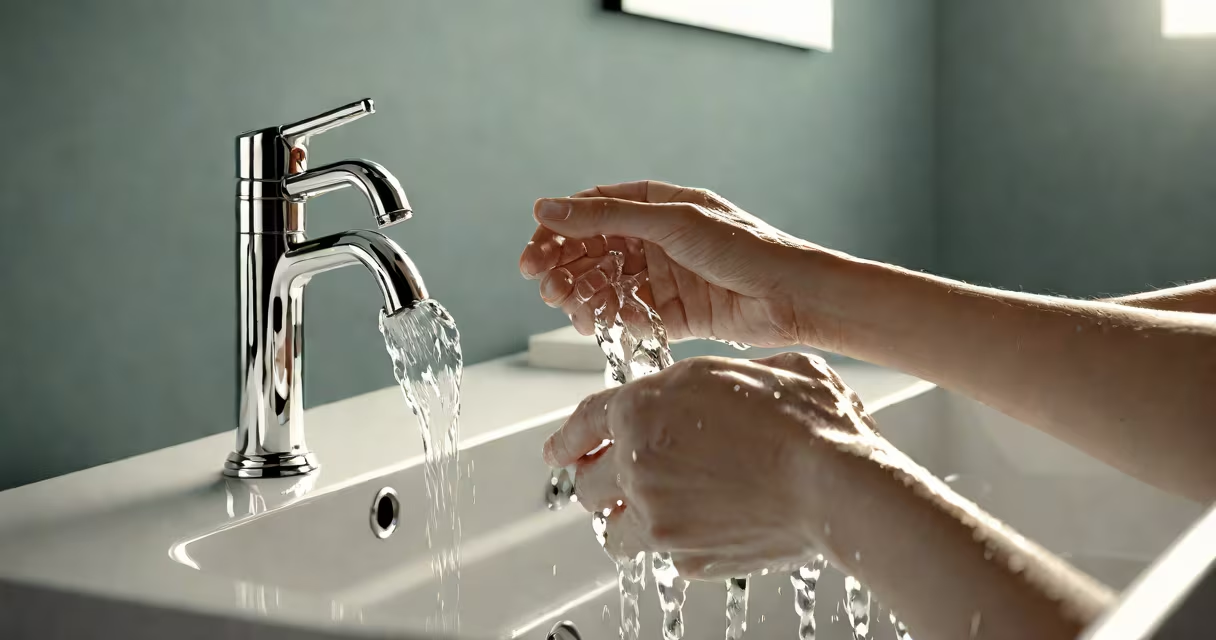
Personal hygiene practices are daily actions individuals take to maintain physical cleanliness and reduce the risk of infection, illness, and disease transmission. These routines include handwashing, bathing, brushing teeth, and keeping skin and nails clean. They form a core part of preventive health and are essential for personal well-being and public safety.
These practices work by removing pathogens-bacteria, viruses, and fungi-from the body's surfaces. The skin, mouth, and respiratory tract constantly interact with environmental microbes. Without regular cleaning, these microorganisms accumulate and can cause infections, skin conditions, or spread to others. For example, washing hands after using the restroom reduces the risk of spreading gastrointestinal illnesses by up to 30%, according to the Centers for Disease Control and Prevention (CDC).
Hygiene routines are not optional-they're foundational to health. The World Health Organization (WHO) states that proper hand hygiene alone can reduce respiratory infections by 16% and diarrheal diseases by 31%. These numbers reflect real-world impact, especially in schools, healthcare settings, and crowded living environments.
Each hygiene practice targets specific areas of the body where microbes thrive. The skin acts as a barrier, but sweat, dead cells, and environmental dirt create breeding grounds. Bathing removes these materials and prevents bacterial overgrowth that leads to acne, rashes, or body odor. Brushing teeth disrupts plaque buildup, which causes cavities and gum disease. Flossing reaches between teeth where brushing misses.
Handwashing is the most effective single action. Using soap and water for 20 seconds-about the time it takes to sing "Happy Birthday" twice-disrupts the lipid layer of many viruses, including influenza and SARS-CoV-2. A 2020 study published in *The Lancet* found that communities with widespread handwashing saw a 25% drop in respiratory illness rates during flu season.
Even simple habits like changing underwear daily or washing hair weekly reduce microbial load and prevent skin irritation. Neglecting these routines increases exposure to harmful organisms. For example, wearing unwashed clothes for days allows bacteria like *Staphylococcus aureus* to colonize the skin, raising the risk of folliculitis or impetigo.
Personal hygiene practices fall into distinct categories based on body area and purpose. Not all are equally critical, but each contributes to health.
| Type | Examples | Primary Benefit | Frequency |
|---|---|---|---|
| Oral hygiene | Brushing, flossing, using mouthwash | Prevents tooth decay, gum disease, bad breath | Twice daily |
| Hand hygiene | Washing with soap and water, using alcohol-based sanitizer | Reduces transmission of respiratory and gastrointestinal pathogens | After using the bathroom, before eating, after coughing |
| Body hygiene | Bathing, showering, laundering clothes | Removes sweat, oils, dead skin; prevents body odor and skin infections | Daily or every other day |
| Nail and hair care | Cutting nails, washing hair, trimming stray hairs | Reduces risk of ingrown nails, scalp infections, and debris harboring | As needed, typically weekly |
Some practices are more effective when combined. For instance, brushing teeth after meals prevents acid erosion, but flossing afterward removes food particles trapped between teeth. Skipping flossing leaves 40% of the tooth surface uncleaned, according to the American Dental Association.
Many people assume hygiene is about looking clean rather than preventing illness. This leads to superficial routines. For example, showering daily doesn't guarantee cleanliness if soap isn't applied to the armpits or groin, where bacteria proliferate. A 2019 survey by the National Institute of Allergy and Infectious Diseases found that 63% of adults skip cleaning under their arms during showers.
Another error is equating hygiene with luxury. Some believe only affluent people practice good hygiene. But WHO reports show that low-income households in urban areas achieve high hygiene compliance when given access to soap and running water. In Nairobi slums, a 2021 pilot program distributed free soap and taught handwashing techniques. After six months, diarrhea rates dropped by 44% among children under five.
There's also confusion between hygiene and sterilization. Personal hygiene does not require sterile tools or environments. Washing hands with regular soap is sufficient. Using antibacterial soap offers no added benefit for healthy individuals and may contribute to antibiotic resistance, per CDC guidelines.
Consider a typical morning routine in a U.S. household. A 32-year-old office worker wakes at 6:30 a.m. Their personal hygiene practices begin immediately:
This sequence covers key hygiene zones. The CDC notes that skipping any step increases infection risk. For example, not drying feet after showering raises the chance of fungal foot infections by 37% in shared spaces like gyms or locker rooms.
I've observed this pattern firsthand while volunteering at a community health clinic. One patient, a 45-year-old man with recurrent skin infections, admitted he hadn't washed his feet in weeks. After being shown proper foot care-washing, drying thoroughly, and wearing breathable shoes-the infections resolved within four weeks. Simple hygiene changes had measurable outcomes.
Personal hygiene practices reduce strain on healthcare systems. When people avoid illness through basic routines, fewer doctor visits, hospitalizations, and medication use occur. The CDC estimates that poor hygiene costs the U.S. economy $15 billion annually in lost productivity and medical expenses.
These practices also protect vulnerable populations. In nursing homes, staff who wash hands between residents reduce pneumonia rates by 50%. Children in classrooms with handwashing stations see 20% fewer absences due to illness.
Understanding personal hygiene practices isn't about perfection-it's about consistency. You don't need to scrub every surface. Just follow proven steps: use soap, rinse thoroughly, dry, and repeat regularly. The goal is prevention, not aesthetics.