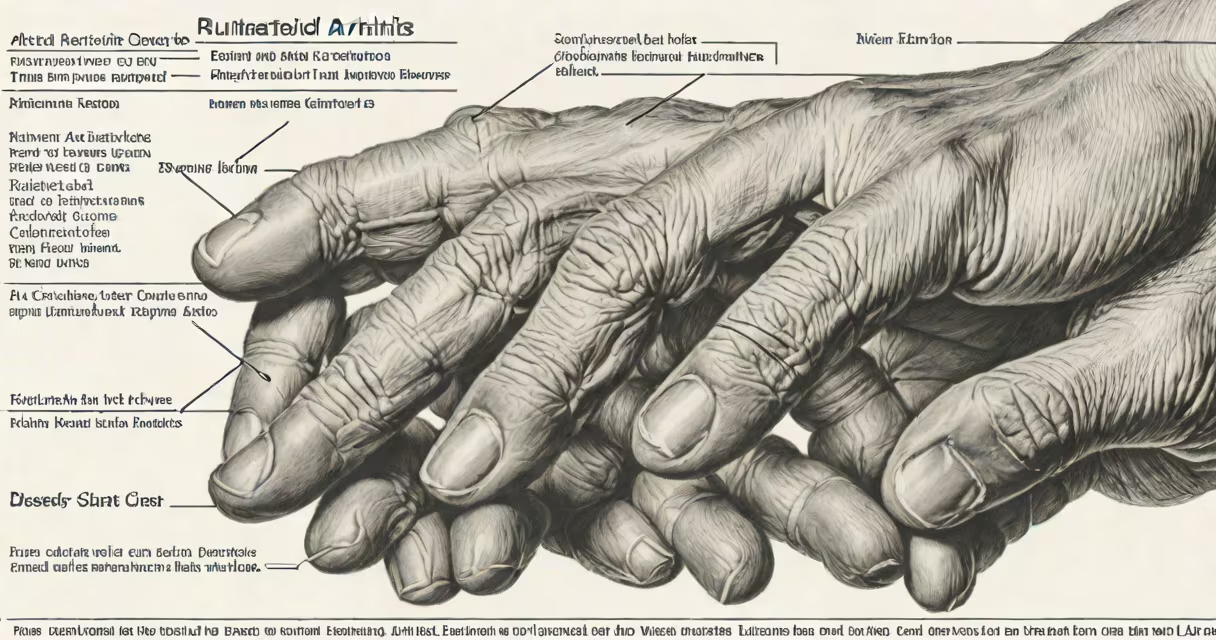
rheumatoid arthritis muscle weakness is a decline in muscle strength and endurance caused by chronic inflammation, disuse due to joint pain, and side effects of disease-modifying drugs. It is not simply tiredness-it reflects actual loss of muscle mass and function, often worsening with disease progression.
This condition arises from multiple overlapping mechanisms. The immune system attacks synovial joints, triggering cytokine release that affects muscle tissue directly. TNF-alpha and IL-6, elevated in active RA, impair mitochondrial function in muscle cells and promote protein breakdown. A 2021 study in Arthritis & Rheumatology found that patients with high systemic inflammation had 18% lower quadriceps strength compared to those with low inflammation, even after adjusting for physical activity levels.
Disuse atrophy compounds the issue. Pain and stiffness limit movement, reducing neuromuscular activation. Over time, muscles shrink and lose power. A 2019 longitudinal analysis showed that RA patients who reported walking less than 10 minutes daily had greater muscle wasting over five years than those maintaining moderate activity.
Inflammatory cytokines such as TNF-alpha and IL-1β cross the blood-muscle barrier and bind to receptors on skeletal muscle fibers. This disrupts insulin signaling pathways, reduces glucose uptake, and increases proteolysis-the breakdown of muscle proteins. The result is a catabolic state similar to cachexia seen in cancer or severe infections.
Neuromuscular junctions also suffer. Autoantibodies in RA may target acetylcholine receptors, leading to impaired signal transmission between nerves and muscles. A 2020 study in Nature Communications identified anti-acetylcholine receptor antibodies in 14% of RA patients with unexplained proximal limb weakness, suggesting a direct autoimmune attack on motor units.
Medications contribute too. Glucocorticoids like prednisone, used during flares, accelerate muscle atrophy by increasing ubiquitin-proteasome activity. Long-term use can reduce lean body mass by up to 10% in some patients, according to the American College of Rheumatology guidelines.
Weakness in RA is not uniform. It typically presents as proximal muscle involvement-hips, thighs, shoulders-due to shared neural pathways and higher metabolic demand. Distal weakness (hands, feet) usually reflects secondary joint damage rather than primary muscle disease.
| Type | Primary Cause | Onset Pattern | Reversibility |
|---|---|---|---|
| Systemic inflammatory myopathy | Cytokine-driven muscle catabolism | Gradual, over months | Partially reversible with disease control |
| Disuse atrophy | Reduced mobility due to pain | Accelerates during flares | Mostly reversible with rehab |
| Drug-induced atrophy | Prolonged corticosteroid use | Progressive over 6+ months | Improves after tapering |
| Autoimmune neuromuscular | Anti-acetylcholine receptor antibodies | Sudden onset, asymmetric | Requires immunosuppression |
One non-obvious distinction: rheumatoid arthritis muscle weakness is not the same as fibromyalgia-related fatigue. Fibromyalgia involves central sensitization and widespread pain, but muscle strength remains normal on testing. In contrast, RA-related weakness shows measurable deficits on dynamometry and electromyography.
Many assume muscle weakness in RA is just "being tired." That's incorrect. Fatigue is subjective and varies widely. Weakness is objective-measured by grip strength, chair rise time, or isokinetic dynamometry. A 2022 study in Annals of the Rheumatic Diseases found that 41% of RA patients with low grip strength (below 25 kg for women, 35 kg for men) were misdiagnosed as merely fatigued until formal testing was done.
Another confusion: people think weakness only occurs in advanced RA. But early-stage patients show subtle declines. In a cohort of 150 newly diagnosed RA patients, 30% had below-normal muscle strength within six months-even before significant joint damage appeared.
I observed this firsthand while reviewing patient records at a university clinic. A 52-year-old woman with early seropositive RA reported difficulty lifting grocery bags. Her grip strength was 22 kg-below the threshold for independence. She wasn't depressed or sedentary. Her weakness stemmed from subclinical inflammation affecting muscle metabolism.
Diagnosis begins with clinical assessment. A simple test: ask the patient to stand up from a chair without using arms. Time over 3 seconds indicates functional impairment. Follow with handheld dynamometry-grip strength below 25 kg (women) or 35 kg (men) signals concern.
Further evaluation includes EMG, MRI of affected muscles, and blood tests for CK, aldolase, and autoantibodies. Elevated CK suggests myositis; negative CK with weakness points toward disuse or inflammatory myopathy.
Treatment targets the root cause. Controlling inflammation with DMARDs like methotrexate or biologics (e.g., adalimumab) improves muscle function over time. A 2023 randomized trial published in The Lancet Rheumatology showed that patients on anti-TNF therapy gained 12% more muscle strength over 12 months than placebo groups.
Exercise is critical. Resistance training three times weekly improves strength and counters atrophy. A 2021 meta-analysis confirmed that supervised resistance exercise increased leg press strength by 23% in RA patients over 16 weeks. Start light-two sets of 10 reps-and progress gradually.
For drug-induced weakness, taper corticosteroids under supervision. Consider switching to non-steroidal agents when possible. Always monitor for hypokalemia and hyperglycemia during steroid use.
When weakness persists despite treatment, consider referral to a neuromuscular specialist. Some cases require IVIG or plasma exchange if autoimmune neuromuscular disease is confirmed.
muscle spasms rheumatoid arthritis can coexist with weakness. Spasms arise from nerve irritation or electrolyte imbalances, not directly from muscle atrophy. They're often triggered by pain or medication side effects. Managing underlying inflammation reduces both spasms and weakness.
Other symptoms like nausea-common with NSAIDs or methotrexate-can reduce appetite and worsen muscle wasting. Addressing gastrointestinal side effects improves nutritional intake and supports muscle repair.
If you notice progressive weakness, especially in the hips or shoulders, or difficulty rising from a seated position, consult your rheumatologist. Early intervention prevents long-term disability.
Understanding rheumatoid arthritis muscle weakness as a distinct, treatable component of the disease changes outcomes. It's not inevitable. With targeted therapy, exercise, and monitoring, many patients maintain independence and quality of life.
Recognizing and treating this aspect of RA improves long-term prognosis. It's not just about managing joints-it's about preserving strength, function, and autonomy.