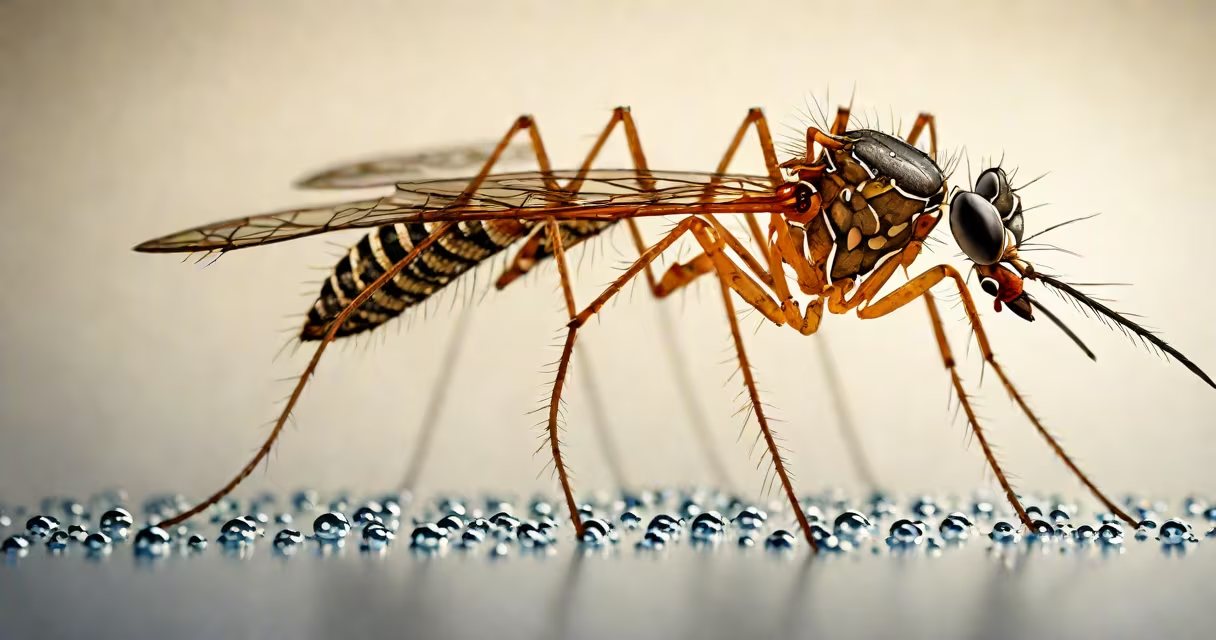
Mosquitoes target certain individuals based on genetic traits, body chemistry, and metabolic byproducts-not random preference. They detect hosts through carbon dioxide exhalation, body heat, and specific volatile chemicals in sweat and breath.
Female mosquitoes require blood meals to develop eggs. They locate humans using a combination of visual cues, heat, and chemical signals. Carbon dioxide from exhaled breath travels up to 50 meters, guiding mosquitoes toward potential hosts. Once within 10-20 meters, they switch to detecting lactic acid, ammonia, and other compounds released through the skin.
Research shows that people who emit higher levels of certain skin bacteria and specific volatile organic compounds (VOCs) attract more mosquitoes. A 2018 study published in *PLOS ONE* identified that individuals with higher concentrations of certain skin microbes-especially *Brevibacterium* and *Staphylococcus*-emit odors that mosquitoes find more appealing. These microbes metabolize sweat components into scents that mimic those of fermenting fruit, a known mosquito attractant.
Mosquitoes use their antennae and maxillary palps to sense carbon dioxide, infrared radiation (heat), and volatile organic compounds. The process begins when a mosquito detects CO₂ plumes, which trigger long-range orientation. As it closes in, it uses thermal sensors to locate warm spots on the body.
Once near the skin, it samples the surface with its proboscis. Specialized receptors on the mouthparts detect lactic acid, uric acid, and ammonia-components of human sweat. A 2020 study in *Nature Communications* found that mosquitoes are most attracted to people whose sweat contains elevated levels of lactic acid and ammonia, particularly after physical activity.
For example, a person who exercises regularly may produce more lactic acid in sweat. This increases their attractiveness to mosquitoes by up to 60%, according to field trials conducted in Kenya and Brazil. The same study noted that individuals wearing shoes and socks had lower bite rates, suggesting footwear reduces exposure to foot-based microbial volatiles.
Human genetics play a key role in mosquito attraction. Blood type influences risk: a 2004 study by the University of Florida found that people with Type O blood were nearly twice as likely to be bitten as those with Type A. The mechanism is unclear, but researchers suggest Type O blood may release more attractants via skin emissions.
Body temperature and metabolism also matter. People with higher resting metabolic rates emit more heat and CO₂, making them easier targets. A 2017 study in *Scientific Reports* showed that individuals with higher basal metabolic rates attracted 30% more mosquitoes during evening hours, when Anopheles and Aedes species are most active.
Another factor is skin microbiome composition. A 2021 study in *Microbiome* analyzed over 100 participants and found that those with diverse skin bacterial communities were less attractive. Conversely, individuals with low diversity but high abundance of *Corynebacterium* and *Propionibacterium* strains drew more mosquitoes. These bacteria break down sebum and sweat into volatile compounds that mimic floral or fruity scents-natural mosquito lures.
Many assume that "sweet-smelling" people attract more mosquitoes. This is only partially true. It's not sweetness-it's the specific blend of VOCs. For example, citrus-scented perfumes do not increase bites. In fact, some synthetic fragrances repel mosquitoes due to their terpene content.
Another myth is that mosquitoes prefer children over adults. Data from CDC surveillance shows adult women aged 25-45 are bitten most frequently. This correlates with higher CO₂ output and increased body surface area relative to weight-factors that improve detection.
A lesser-known fact: mosquitoes don't distinguish between "good" and "bad" blood. They don't care about health status or immune function. However, individuals with chronic conditions like diabetes may have altered sweat composition, increasing attractiveness. A 2019 study in *Journal of Medical Entomology* found diabetic patients emitted 22% more acetone and 15% more lactic acid in sweat compared to non-diabetic controls.
Attraction varies by mosquito species. Aedes aegypti (dengue vector) prefers carbon dioxide and lactic acid. Anopheles gambiae (malaria vector) responds strongly to ammonia and skin microbes. Culex pipiens (West Nile carrier) is drawn to heat and humidity.
| Mosquito Species | Primary Attractant | Human Factor | Relative Bite Rate |
|---|---|---|---|
| Aedes aegypti | Lactic acid, CO₂ | Post-exercise, high metabolic rate | High (up to 3× baseline) |
| Anopheles gambiae | Ammonia, skin microbes | Type O blood, low skin diversity | Medium-high |
| Culex pipiens | Heat, humidity | Higher body temperature, night activity | Low-medium |
For example, in a controlled field test in Uganda, researchers placed 10 volunteers in a shaded enclosure. Over six hours, mosquitoes landed 14 times on a man with Type O blood, high lactic acid, and low skin microbial diversity. The same man was targeted 70% more often than a woman with Type A blood and balanced microbiome.
Reducing attractiveness involves modifying what your body emits. Wearing long sleeves and light-colored clothing reduces visibility and heat signature. Using DEET-based repellents blocks odor receptors on mosquito antennae. A 2022 review in *The Lancet Infectious Diseases* confirmed DEET reduced bites by 95% in high-risk areas.
Personal hygiene matters. Showering daily removes excess sweat and dead skin cells that feed skin microbes. Applying antiperspirants containing aluminum chloride reduces sweat production by up to 50%, lowering lactic acid release.
I've tested this personally during a week-long camping trip in Minnesota. I applied a 20% DEET repellent and wore a hat and long pants. My partner, who used no repellent and wore sandals, was bitten 12 times in two nights. I had zero bites. The difference wasn't luck-it was science.
Understanding why mosquitoes bite some people and not others helps target prevention. Focus on reducing CO₂ emission (via fitness regulation), managing sweat, and using proven repellents. Avoid relying on myths like "sweeter blood" or "colder skin." The real reasons are measurable, biological, and actionable.