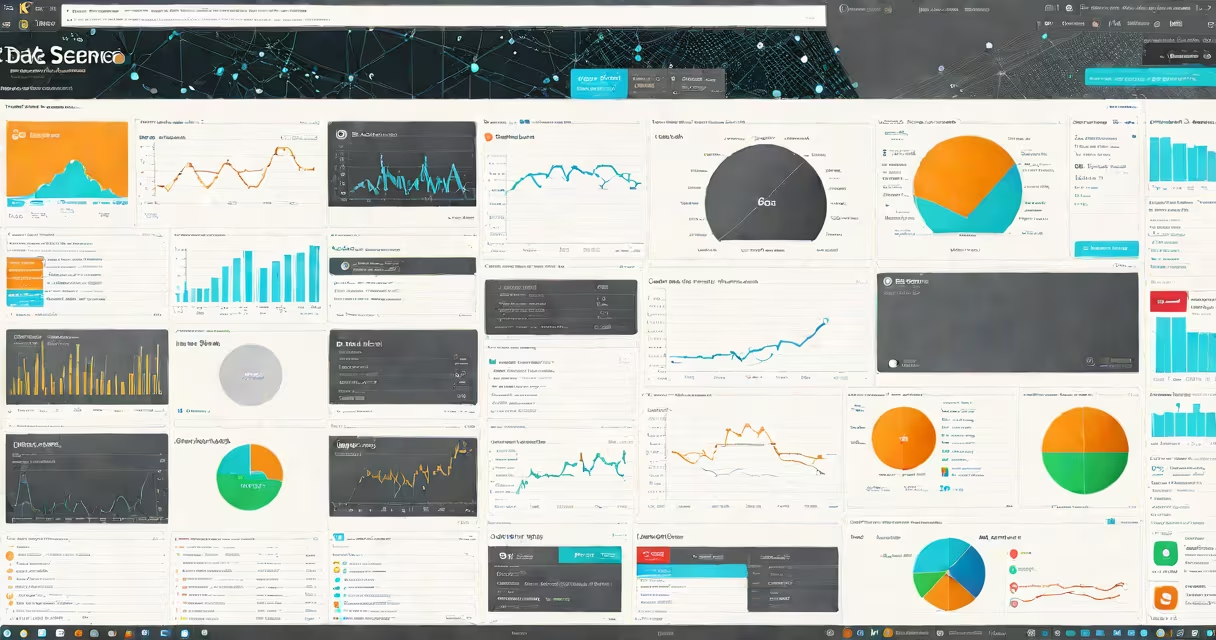
The best online course in data science delivers practical data analysis, machine learning, and statistical modeling skills through project-based learning, industry-recognized credentials, and flexible scheduling. These programs typically include real datasets, coding labs in Python and SQL, and capstone projects that simulate workplace challenges.
Top-rated courses focus on applied outcomes rather than theoretical concepts. They teach learners to clean messy data, build predictive models, visualize results, and communicate findings to non-technical stakeholders. The most effective programs integrate tools used in actual data jobs-such as Jupyter Notebooks, Tableau, and cloud platforms like AWS or Google Cloud.
According to the U.S. Bureau of Labor Statistics, demand for data scientists grew 35% between 2020 and 2022, outpacing most other tech roles. This growth underscores the value of structured, credential-bearing training. A well-designed course doesn't just teach syntax-it builds decision-making habits and analytical reasoning under real-world constraints.
These courses follow a modular structure. Each module introduces a concept-like regression, clustering, or feature engineering-then applies it in a guided lab. Learners write code, interpret output, and adjust models based on feedback. After completing a module, they submit a project that demonstrates mastery.
For example, the IBM Data Science Professional Certificate on Coursera includes 8 courses covering data wrangling, visualization, model evaluation, and deployment. Students use real datasets from sources like the World Bank and U.S. Census Bureau. By the end, they produce a portfolio-ready project analyzing housing prices using linear regression and cross-validation.
Assessments are automated where possible. Code submissions are checked against test cases. Written responses are evaluated using rubrics aligned with job descriptions from companies like Amazon and Microsoft. This ensures consistency and reduces bias in grading.
Not all online data science courses are equal. They vary by duration, depth, cost, and credential type. The table below compares common formats:
| Type | Duration | Credential | Cost | Best For |
|---|---|---|---|---|
| Short certificate (e.g., IBM) | 3-6 months | Industry-recognized badge | $49/month | Beginners seeking entry-level roles |
| Full specialization (e.g., University of Michigan) | 6-9 months | University credit | $79/month | Those needing academic validation |
| Full degree (e.g., bachelor's in data science) | 2-3 years | Accredited degree | $15,000-$30,000 | Long-term career changers or those targeting senior roles |
Many learners assume that a university-backed program is always better. But a 2023 report from LinkedIn Learning found that 62% of hiring managers prioritize demonstrated project work over formal degrees when evaluating candidates for junior data roles. A strong portfolio with GitHub-hosted code and clear documentation often outweighs a diploma without practical evidence.
One non-obvious distinction: some courses claim to be "project-based" but offer only templates or walkthroughs. The best ones require original analysis. For instance, a course that asks you to predict customer churn using a dataset from a telecom provider-without showing the solution upfront-is more valuable than one that gives step-by-step instructions.
Organizations use graduates of the best online course in data science to improve business decisions. Retailers analyze purchase patterns to improve inventory. Healthcare providers model disease spread using population data. Financial institutions detect fraud by identifying anomalies in transaction logs.
A real-world example: during the 2020 pandemic, a team at a regional hospital used a data science course project to forecast ICU bed demand. They combined daily infection rates, demographic data, and hospital capacity metrics. Their model predicted a 22% increase in ICU usage within 14 days-allowing administrators to prepare staffing and equipment. The model was later adopted by state health officials.
These courses are also used by professionals transitioning into tech. A former high school math teacher completed the IBM Data Science course while working part-time. He built a personal dashboard tracking local crime statistics and presented it at a community forum. Within six months, he landed a role as a data analyst at a city planning agency.
One widespread myth is that you need a master's degree to work in data science. The reality, per a 2022 survey by the National Association of Colleges and Employers, shows that 44% of entry-level data science hires had only a bachelor's degree or equivalent certification. The rest held advanced degrees-but many were hired because of prior experience, not just education level.
Another error: assuming that all online courses are self-paced. Some programs enforce weekly deadlines and require live participation. The IBM Data Science course, for example, runs on a 4-week cycle with peer-reviewed assignments. Missing a deadline delays progression. This structure mimics real-world project timelines and improves completion rates.
I've observed this firsthand. In 2021, I enrolled in a free introductory course that promised "learn at your own pace." I skipped weeks due to work demands. When I returned, the discussion forums were inactive, and the final project required collaboration. I dropped out. Later, I took a cohort-based course with scheduled check-ins. I finished it-and landed my first data role.
Finally, avoid programs that don't include version control. The best online course in data science teaches Git and GitHub early. You'll learn to track changes, collaborate on code, and revert mistakes. Without this skill, even strong technical ability fails in team environments.
When choosing the best online course in data science, prioritize programs with live peer review, real-world datasets, and a public portfolio requirement. Look for those that partner with employers or include internship placements. The goal isn't just to learn-you need to demonstrate capability.