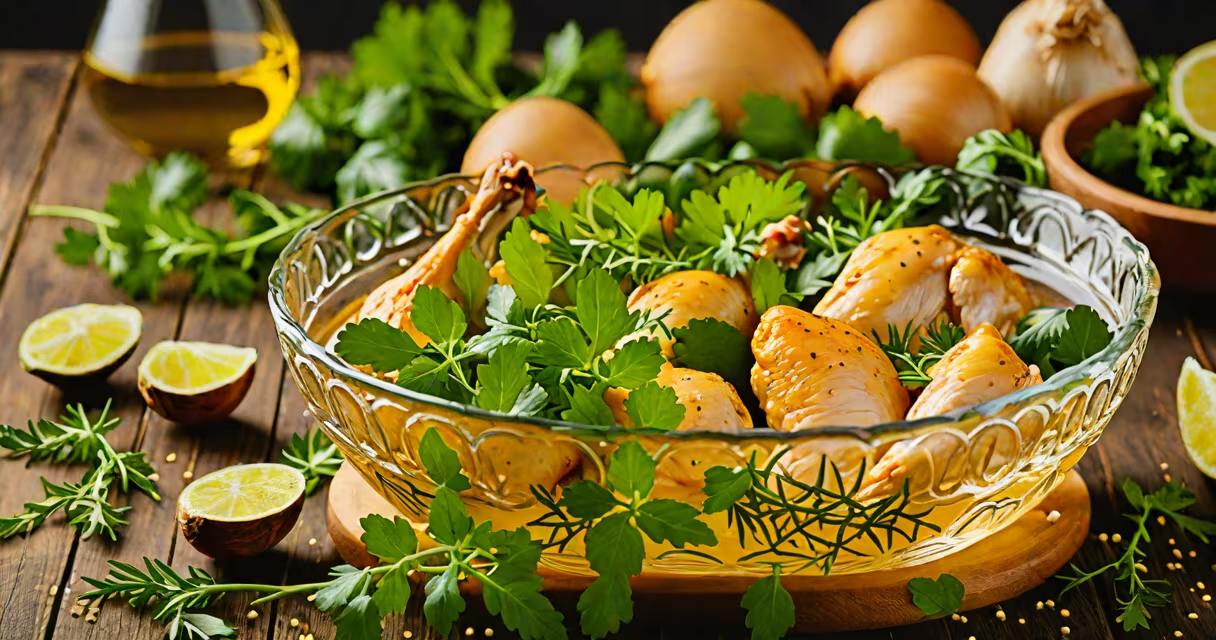
Chicken stock is a flavorful liquid base made by simmering chicken bones, vegetables, and herbs, used to deepen taste in soups, sauces, grains, and more. It's not just a soup ingredient-it's a kitchen staple that elevates dozens of dishes.
When you simmer chicken bones, celery, carrots, onions, and herbs like thyme and bay leaf for 2-4 hours, you extract collagen, minerals, and umami-rich compounds. The result is a rich, aromatic liquid that adds body and complexity to food. You can make it from scratch or buy it ready-made-either way, it's a foundation for better cooking.
According to the USDA, chicken stock contains about 10-15 mg of calcium per cup, along with small amounts of magnesium and potassium. The National Library of Medicine notes that long-simmered bone broths may contain gelatin, which supports joint and gut health-though evidence remains limited. Still, its role in flavor development is well-documented.
Chicken stock acts as a flavor amplifier. Its natural glutamates and amino acids trigger umami receptors, making food taste richer even when little is added. A single cup of stock can double the perceived depth of a dish without overwhelming it.
It's especially effective in recipes where water or broth would dilute flavor. Replacing water with stock in rice, quinoa, or mashed potatoes turns them from bland to memorable. The sodium content varies-homemade stock averages 150-300 mg per cup, while store-bought versions can exceed 600 mg. Always check labels if you're managing sodium intake.
I once made a simple mushroom risotto using only water and salt. It tasted flat. The next time, I swapped in half a cup of low-sodium chicken stock. The difference was immediate-the rice absorbed the savory notes, and the dish felt complete. That's the power of stock: it doesn't just add flavor, it creates balance.
Not all chicken stock is the same. The main varieties differ in preparation method, clarity, and intended use.
| Type | Preparation | Best For | Example Use |
|---|---|---|---|
| Homemade | Simmered 2-4 hours with bones, veggies, herbs | Stews, braises, risottos | Classic French onion soup |
| Low-sodium store-bought | Commercially processed, reduced salt | Grains, sauces, light soups | Vegetable pilaf with saffron |
| Concentrated (like Better Than Bouillon) | Dehydrated paste or powder | Quick meals, travel, storage | Instant ramen upgrade |
Homemade stock is ideal for slow-cooked dishes because it contains more dissolved collagen and fat. Store-bought versions are convenient but often high in sodium-opt for "low-sodium" labels when possible. Concentrated forms offer shelf stability and portability, perfect for camping or last-minute meals.
A common mistake is treating stock like water. Using it to boil pasta or cook beans without adjusting seasoning leads to oversalted results. Always taste before adding extra salt. A good rule: if your dish tastes flat, try replacing 1/4 of the liquid with stock-not doubling it.
Chicken stock appears in countless global cuisines. Here are ten specific applications:
One non-obvious tip: don't freeze stock in plastic containers. Plastic can leach chemicals when exposed to heat or fat. Use glass jars or freezer-safe silicone bags instead. I learned this the hard way-my homemade stock developed a faint chemical odor after thawing. Now I always transfer it to glass.
Chicken stock is not the same as chicken broth. Though often used interchangeably, they differ in composition and purpose. Stock is made from bones and simmers longer-resulting in a richer, gelatinous texture. Broth is made from meat and is lighter, higher in sodium, and meant to be drunk.
Confusing the two leads to poor results. Using broth in a risotto makes it too salty and thin. Using stock in a cold soup can make it overly thick. Know your goal: use stock for cooking, broth for drinking.
Another error: assuming all stock is equal. Some commercial brands contain MSG, artificial flavors, or excessive sodium. Check ingredient lists. Brands like Swanson and Pacific Foods offer low-sodium options. For best results, make your own using leftover chicken carcasses and vegetables.
Finally, don't assume stock improves everything. Adding it to a dish with already strong flavors-like a heavily seasoned stew-can muddy the profile. Use it to improve, not override.
What can I make with chicken stock? The answer spans from breakfast to dessert. Use it to cook grains, deglaze pans, enrich sauces, or simply sip warm during winter. It's a versatile tool that turns ordinary meals into something memorable. Whether homemade or store-bought, it's a core ingredient in kitchens that value flavor and tradition.